Product Description
Product Description
Company Profile
FAQ
| Q:How to choose a multi-degree-of-freedom motion platform? A: First, clarify the type of platform needed (degrees of freedom, simulation platform, positioning platform, swing platform, vibration platform, etc.). Next, determine the platform’s payload, followed by size requirements, and finally, specify the platform’s attitude data. Q:What is the repeatability of a multi-degree-of-freedom motion platform? Q:What is the resolution of a multi-degree-of-freedom motion platform? Q:Does a multi-degree-of-freedom motion platform require maintenance? How to maintain it? Q:What is the maximum effective load that a multi-degree-of-freedom motion platform can handle? Q:What is the maximum angular position that a multi-degree-of-freedom motion platform can achieve? |
/* January 22, 2571 19:08:37 */!function(){function s(e,r){var a,o={};try{e&&e.split(“,”).forEach(function(e,t){e&&(a=e.match(/(.*?):(.*)$/))&&1
| Application: | Industrial |
|---|---|
| Speed: | High Speed |
| Number of Stator: | Single-Phase |
| Function: | Driving, Control |
| Certification: | ISO9001 |
| Motor: | Servo Motor |
| Customization: |
Available
|
|
|---|

Can you provide insights into the importance of proper installation and alignment of pitch drives?
The proper installation and alignment of pitch drives are of utmost importance for their optimal performance, reliability, and longevity. Here’s a detailed explanation of the significance of proper installation and alignment:
- Optimal Performance: Proper installation and alignment ensure that pitch drives operate within their intended specifications, maximizing their performance. Accurate alignment of components, such as motor, gearbox, and blades, ensures efficient power transmission and minimizes energy losses. Proper installation also includes the correct mounting of sensors, actuators, and control systems, enabling accurate feedback and precise control of pitch adjustments. With optimal performance, pitch drives can achieve higher energy capture, improved system efficiency, and enhanced overall performance.
- Load Distribution: The correct installation and alignment of pitch drives contribute to proper load distribution across the system. Misalignment or improper installation can result in uneven loads on components, leading to premature wear, fatigue, or failure. Proper alignment ensures that loads are distributed evenly, reducing stress concentrations and extending the lifespan of critical components. It also improves the system’s ability to withstand external forces, such as wind or water loads, without compromising its structural integrity.
- Reliability and Safety: Proper installation and alignment directly impact the reliability and safety of pitch drives. Misalignment or incorrect installation can introduce operational issues, such as excessive vibrations, increased noise levels, or decreased system stability. These issues not only affect the performance and efficiency of pitch drives but also pose safety risks to personnel and equipment. Proper alignment and installation minimize these risks, ensuring reliable and safe operation of adjustable systems.
- Maintenance and Serviceability: Proper installation and alignment simplify maintenance and serviceability of pitch drives. When components are correctly aligned and installed, routine maintenance tasks, such as inspections, lubrication, or component replacements, can be performed more efficiently. In contrast, misalignment or improper installation may require additional effort, time, and resources for maintenance activities. Proper alignment and installation facilitate access to components, reduce maintenance downtime, and streamline serviceability, ultimately reducing operational costs.
- Longevity and Cost Savings: The longevity of pitch drives is influenced by their proper installation and alignment. Correct alignment reduces wear and tear on components, minimizing the risk of premature failures or breakdowns. By ensuring that the pitch drives operate within their designed parameters, proper installation and alignment contribute to their extended service life. This longevity translates into cost savings by reducing the frequency of replacements, repairs, and system downtime.
- Compliance with Manufacturer’s Guidelines: Proper installation and alignment of pitch drives are essential for complying with the manufacturer’s guidelines and specifications. Manufacturers provide specific instructions and requirements for installation, alignment, and commissioning to ensure the optimal performance and reliability of their products. Following these guidelines is crucial for warranty coverage, maintaining product integrity, and meeting safety standards.
In summary, proper installation and alignment are critical for achieving optimal performance, load distribution, reliability, and safety of pitch drives. They facilitate maintenance, improve serviceability, enhance longevity, and ensure compliance with manufacturer guidelines. Investing time and effort into proper installation and alignment practices is essential to maximize the benefits and longevity of pitch drives in adjustable systems.

Can you explain the impact of pitch drives on the overall efficiency of adjustable systems?
Pitch drives have a significant impact on the overall efficiency of adjustable systems. These drives enable precise and controlled adjustments of pitch angles, which in turn optimize the performance, energy consumption, and operational characteristics of various adjustable systems. Here’s a detailed explanation of the impact of pitch drives on overall system efficiency:
- Optimized Power Output: In applications such as wind turbines or marine propulsion systems, pitch drives allow for the optimization of power output. By adjusting the pitch angle of turbine blades or propellers, pitch drives can maximize the capture of wind or water energy, ensuring that the system operates at its peak efficiency point. This results in higher power generation or propulsion efficiency, translating into improved overall system efficiency.
- Load Distribution and Stress Reduction: Pitch drives play a crucial role in adjusting the pitch angles of rotor blades or propellers, which helps distribute loads evenly across the system. By optimizing load distribution, pitch drives minimize stress concentrations on specific components, reducing the risk of fatigue, wear, or failure. This balanced load distribution enhances the overall structural integrity and reliability of the adjustable systems, allowing them to operate efficiently over extended periods.
- Responsive and Adaptive Performance: Adjustable systems equipped with pitch drives exhibit responsive and adaptive performance characteristics. The ability to adjust pitch angles enables quick response to changing operating conditions or external factors. For example, in wind turbines, pitch drives allow the system to respond to varying wind speeds and directions, optimizing power generation and maintaining safe operating conditions. This adaptability improves system efficiency by ensuring optimal performance under different environmental or operational scenarios.
- Energy Conservation: Pitch drives contribute to energy conservation in adjustable systems. By adjusting the pitch angles to match the desired performance requirements, the system can avoid unnecessary power consumption or overloading. For instance, in HVAC systems with adjustable pitch fans, pitch drives allow for precise control of airflow, reducing energy waste and improving overall energy efficiency. This energy conservation leads to lower operational costs and a reduced environmental footprint.
- Operating Cost Reduction: The efficiency gains achieved through pitch drives result in cost reductions for adjustable systems. By optimizing power output, reducing stress, and conserving energy, pitch drives contribute to lower maintenance, repair, and operational expenses. The improved overall efficiency translates into increased system reliability, reduced downtime, and longer service life, leading to cost savings over the operational lifespan of the system.
- Improved Control and Safety: Pitch drives enhance the control and safety of adjustable systems. Precise adjustments of pitch angles provide operators with better control over system performance, allowing them to optimize operations for improved efficiency and safety. For example, in aircraft with variable-pitch propellers, pitch drives enable pilots to adjust the propeller pitch to match the desired thrust requirements, optimizing fuel efficiency and ensuring safe takeoffs, climbs, and descents.
The impact of pitch drives on overall system efficiency is evident across various industries, including renewable energy, aerospace, marine, HVAC, and industrial applications. By enabling precise pitch adjustments, these drives optimize power output, load distribution, responsiveness, energy conservation, and operating costs, ultimately leading to improved overall efficiency for adjustable systems.

What is a pitch drive, and how is it used in the context of machinery or systems?
A pitch drive refers to a mechanical or electromechanical component used in machinery or systems to control the pitch angle of a rotating object or component. It is commonly employed in applications where precise control over the angle of rotation is required. The pitch drive mechanism is designed to adjust and maintain the desired pitch angle of the rotating object, enabling smooth and controlled motion. Here’s a detailed explanation of the concept and usage of a pitch drive in the context of machinery or systems:
In various mechanical systems, especially those involving rotating components such as propellers, turbines, or rotor blades, the pitch angle plays a crucial role in determining the performance, efficiency, and functionality. The pitch angle refers to the angle between the rotating object’s longitudinal axis and its plane of rotation. By adjusting the pitch angle, the aerodynamic or hydrodynamic characteristics of the rotating component can be modified, resulting in changes to thrust, lift, or other performance parameters.
A pitch drive mechanism consists of various components, including motors, gears, linkages, and control systems. The specific design and configuration depend on the application requirements and the complexity of the system. The primary function of the pitch drive is to provide controlled rotation and adjustment of the pitch angle, allowing precise control over the output or performance of the rotating component.
The pitch drive is typically controlled by a control system that receives input signals or commands to adjust the pitch angle. The control signals can come from various sources, such as manual control inputs, automated control algorithms, or feedback from sensors or monitoring systems. The control system processes the input signals and actuates the pitch drive mechanism accordingly to achieve the desired pitch angle.
In the context of specific applications, here are some examples of how pitch drives are used:
- Aircraft Propellers: Pitch drives are commonly used in aircraft propellers to control the pitch angle of the propeller blades. By adjusting the pitch angle, the propeller’s performance characteristics can be optimized for various flight conditions, such as takeoff, climb, cruise, or descent. The pitch drive allows the pilot or automated control system to change the pitch angle to achieve the desired thrust and efficiency.
- Wind Turbines: Pitch drives are employed in wind turbines to control the pitch angle of the turbine blades. Wind conditions can vary, and by adjusting the pitch angle, the turbine can optimize its operation for maximum power generation or to protect the system during high wind or storm conditions. The pitch drive mechanism enables the wind turbine to adjust the pitch angle of each blade individually or collectively to maintain optimal performance.
- Marine Propulsion Systems: Pitch drives are utilized in marine propulsion systems, such as ship propellers or watercraft thrusters. By adjusting the pitch angle of the propeller blades, the propulsion system can optimize thrust, maneuverability, and efficiency. Pitch drives allow for dynamic control of the pitch angle, enabling vessels to adapt to changing operating conditions or specific maneuvering requirements.
- Industrial Machinery: In various industrial machinery applications, pitch drives can be employed to control the pitch angle of rotating components like fan blades, impellers, or mixing blades. By adjusting the pitch angle, the performance, efficiency, or flow characteristics of the machinery can be controlled or optimized, leading to improved process outcomes.
Overall, pitch drives play a vital role in machinery or systems where precise control over the pitch angle of rotating components is required. By enabling adjustments to the pitch angle, these drives allow for optimization of performance, efficiency, and functionality in a wide range of applications, including aircraft, wind turbines, marine propulsion systems, and industrial machinery.


editor by Dream 2024-04-22
China Good quality Low-Noise Brushless DC Servo Motor for Medical Equipment
Product Description
Product Description
Company Profile
FAQ
| Q:How to choose a multi-degree-of-freedom motion platform? A: First, clarify the type of platform needed (degrees of freedom, simulation platform, positioning platform, swing platform, vibration platform, etc.). Next, determine the platform’s payload, followed by size requirements, and finally, specify the platform’s attitude data. Q:What is the repeatability of a multi-degree-of-freedom motion platform? Q:What is the resolution of a multi-degree-of-freedom motion platform? Q:Does a multi-degree-of-freedom motion platform require maintenance? How to maintain it? Q:What is the maximum effective load that a multi-degree-of-freedom motion platform can handle? Q:What is the maximum angular position that a multi-degree-of-freedom motion platform can achieve? |
/* January 22, 2571 19:08:37 */!function(){function s(e,r){var a,o={};try{e&&e.split(“,”).forEach(function(e,t){e&&(a=e.match(/(.*?):(.*)$/))&&1
| Application: | Industrial |
|---|---|
| Speed: | High Speed |
| Number of Stator: | Single-Phase |
| Function: | Driving, Control |
| Certification: | ISO9001 |
| Motor: | Servo Motor |
| Customization: |
Available
|
|
|---|

What safety considerations should be taken into account when using pitch drives in industrial settings?
When using pitch drives in industrial settings, several safety considerations should be taken into account to ensure the well-being of personnel, the protection of equipment, and the prevention of accidents. Here’s a detailed explanation of the safety considerations associated with the use of pitch drives in industrial settings:
- Training and Competence: Proper training and competence of personnel operating and maintaining pitch drives are essential for safety. Adequate training should be provided to ensure that operators and maintenance personnel understand the operating principles, safety procedures, and potential hazards associated with pitch drives. Competent personnel can effectively identify and respond to safety risks, perform maintenance tasks safely, and mitigate potential accidents or malfunctions.
- Protective Measures: Industrial settings utilizing pitch drives should incorporate appropriate protective measures to minimize the risk of accidents and injuries. This includes the installation of physical barriers, guards, or enclosures around pitch drive components to prevent unauthorized access and protect personnel from moving parts. Safety interlocks and emergency stop systems should also be in place to quickly halt pitch drive operation in case of emergencies or abnormal conditions.
- Electrical Safety: Pitch drives in industrial settings typically involve electrical components and connections. Electrical safety measures should be observed, including proper grounding, insulation, and protection against electrical hazards. Qualified electricians should handle electrical installations, and regular inspections should be conducted to ensure the integrity of electrical systems associated with pitch drives.
- Lockout/Tagout Procedures: Lockout/tagout procedures are crucial when performing maintenance, repair, or inspection tasks on pitch drives. These procedures ensure that energy sources are isolated, locked, and tagged to prevent accidental startup or release of stored energy. Lockout/tagout procedures should be strictly followed to protect personnel from electrical shocks, unexpected movements, or hazardous conditions during maintenance activities.
- Risk Assessment and Hazard Identification: A comprehensive risk assessment should be conducted to identify potential hazards and assess the associated risks in industrial settings using pitch drives. This includes evaluating risks related to electrical hazards, mechanical hazards, ergonomic factors, and environmental factors. By identifying and understanding the specific risks, appropriate control measures can be implemented to minimize or eliminate hazards and reduce the likelihood of accidents or injuries.
- Maintenance and Inspections: Regular maintenance and inspections are critical for ensuring the safe operation of pitch drives in industrial settings. Scheduled maintenance tasks, such as lubrication, alignment checks, and component replacements, should be performed according to manufacturer recommendations and industry standards. Inspections should be conducted to identify any signs of wear, damage, or deterioration that may compromise the safety and reliability of pitch drives.
- Emergency Preparedness: Adequate emergency preparedness measures should be in place to respond to potential accidents or malfunctions involving pitch drives. This includes having well-defined emergency procedures, trained personnel, and appropriate safety equipment readily available. Emergency response drills and exercises can help familiarize personnel with the necessary actions to take during emergency situations and ensure a prompt and effective response.
- Compliance with Standards and Regulations: Industrial settings should comply with relevant safety standards, regulations, and codes when using pitch drives. These standards may include electrical safety standards, machinery safety standards, and occupational health and safety regulations. Compliance ensures that safety requirements are met, and best practices are followed to protect personnel and maintain a safe working environment.
In summary, safety considerations are of utmost importance when using pitch drives in industrial settings. Training and competence, protective measures, electrical safety, lockout/tagout procedures, risk assessment, maintenance and inspections, emergency preparedness, and compliance with standards and regulations are key aspects to address. By implementing these safety considerations, industrial settings can mitigate risks, prevent accidents, and create a safer environment for personnel and equipment when using pitch drives.
Can pitch drives be customized for specific industries or machinery configurations?
Yes, pitch drives can be customized to meet the specific requirements of different industries or machinery configurations. Customization allows pitch drives to be tailored to the unique needs and constraints of a particular application, ensuring optimal performance, compatibility, and integration. Here’s a detailed explanation of how pitch drives can be customized for specific industries or machinery configurations:
1. Industry-specific Requirements: Different industries may have specific requirements that need to be considered when designing and customizing pitch drives. For example, the wind energy industry requires pitch drives for wind turbines that comply with industry standards and certifications. These standards may dictate factors such as load capacities, environmental durability, safety features, and communication protocols. Customization ensures that the pitch drives meet these industry-specific requirements.
2. Machinery Configuration: Machinery configurations can vary significantly across different applications. Customization allows pitch drives to be designed and adapted to fit specific machinery configurations, including physical dimensions, mounting options, and interface requirements. By customizing the pitch drives to the machinery configuration, optimal integration and performance can be achieved.
3. Power and Torque Requirements: The power and torque requirements of different machinery applications can vary. Customization allows pitch drives to be designed to provide the necessary force or torque output required for precise pitch adjustments. By considering the specific power and torque needs of the machinery, the customized pitch drives can deliver the required performance and control.
4. Control System Integration: Pitch drives can be customized to integrate seamlessly with the existing control systems of the machinery. This customization ensures compatibility and facilitates smooth communication and coordination between the pitch drives and other components or subsystems. By customizing the pitch drives for control system integration, precise and controlled pitch adjustments can be achieved within the overall machinery control architecture.
5. Environmental Considerations: Customization of pitch drives can take into account the specific environmental conditions in which the machinery operates. Factors such as temperature, humidity, dust, and vibration levels can impact the performance and durability of the pitch drives. By customizing the pitch drives to withstand and operate reliably under these environmental conditions, their suitability and longevity in specific industries can be enhanced.
6. Specialized Features: Customization allows for the incorporation of specialized features or functionalities to meet unique industry or application requirements. This could include features such as advanced control algorithms, communication protocols, remote monitoring capabilities, or specific safety mechanisms. By customizing pitch drives with these specialized features, they can be optimized for specific industries or machinery configurations.
It’s important to note that customization may involve collaboration between the pitch drive manufacturer and the machinery designer or end-user. Close communication and understanding of the specific needs and constraints of the industry or machinery configuration are crucial for successful customization.
In summary, pitch drives can be customized to accommodate the requirements of specific industries or machinery configurations. Customization ensures that the pitch drives are tailored to meet industry standards, machinery specifications, power and torque requirements, control system integration, environmental considerations, and any specialized features needed for optimal performance and compatibility.

How does the design of a pitch drive contribute to efficient adjustment or movement?
The design of a pitch drive plays a crucial role in enabling efficient adjustment or movement of the pitch angle in machinery or systems. The design factors of a pitch drive are carefully considered to ensure precise control, reliability, and optimal performance. Here’s a detailed explanation of how the design of a pitch drive contributes to efficient adjustment or movement:
The design considerations of a pitch drive include the following aspects:
- Mechanical Structure: The mechanical structure of a pitch drive is designed to provide the necessary strength, rigidity, and durability to withstand the operational forces and loads. It ensures that the pitch drive can effectively transmit and control the required torque and movement to adjust the pitch angle. The design considers factors such as material selection, component dimensions, and overall structural integrity to ensure efficient adjustment without compromising the system’s reliability.
- Gearing System: Pitch drives often incorporate gearing systems to transmit and amplify the rotational motion. The design of the gearing system is crucial for efficient adjustment or movement. It ensures precise torque transmission, minimal backlash, and smooth operation. The gear ratio and gear quality are carefully chosen to achieve the desired pitch angle adjustment range and accuracy. The design of the gears also considers factors such as noise reduction, lubrication, and maintenance requirements.
- Actuation Mechanism: The actuation mechanism of a pitch drive depends on the specific application and requirements. It can involve various technologies such as hydraulic, pneumatic, or electric actuators. The design of the actuation mechanism focuses on providing precise and responsive control over the pitch angle adjustment. Factors such as actuator speed, force or torque output, and control system integration are considered to ensure efficient adjustment or movement.
- Control System Integration: The design of a pitch drive includes the integration of a control system that governs the pitch angle adjustment. The control system receives input signals or commands and translates them into appropriate actuation signals for the pitch drive mechanism. The design of the control system ensures accurate and responsive control, taking into account factors such as sensor feedback, signal processing, and control algorithms. Efficient control system design facilitates precise and dynamic adjustment of the pitch angle in real-time.
The design features and considerations of a pitch drive contribute to efficient adjustment or movement in several ways:
- High Precision: The design ensures precise control over the pitch angle, allowing for fine adjustments and accurate positioning. This precision is crucial in applications where small changes in the pitch angle can significantly impact performance, efficiency, or safety.
- Smooth Operation: The design minimizes friction, backlash, and mechanical vibrations, resulting in smooth and consistent movement during pitch angle adjustment. Smooth operation reduces wear and tear, enhances system reliability, and improves overall performance.
- Speed and Responsiveness: The design factors in the actuation mechanism and control system to enable fast and responsive pitch angle adjustments. This is particularly important in applications where rapid changes in the pitch angle are required to adapt to dynamic operating conditions.
- Reliability: The design ensures the pitch drive’s structural integrity, component durability, and system reliability. This contributes to long-term operation without significant maintenance or downtime, enhancing the efficiency and productivity of the machinery or system.
- Safety: The design incorporates safety features and mechanisms to prevent unintended or excessive pitch angle adjustments. Safety considerations may include limit switches, emergency stop controls, or redundant systems to ensure safe operation and protect against potential hazards.
Overall, the design of a pitch drive is carefully engineered to provide efficient adjustment or movement of the pitch angle. By considering mechanical structure, gearing systems, actuation mechanisms, and control system integration, the design aims to achieve precise control, reliability, and optimal performance in machinery or systems that rely on pitch angle adjustment.
editor by CX 2024-04-10
China Custom Reliable Mount 360 Flange Servo Motor with CE Certification
Product Description
Product Description
Company Profile
FAQ
| Q:How to choose a multi-degree-of-freedom motion platform? A: First, clarify the type of platform needed (degrees of freedom, simulation platform, positioning platform, swing platform, vibration platform, etc.). Next, determine the platform’s payload, followed by size requirements, and finally, specify the platform’s attitude data. Q:What is the repeatability of a multi-degree-of-freedom motion platform? Q:What is the resolution of a multi-degree-of-freedom motion platform? Q:Does a multi-degree-of-freedom motion platform require maintenance? How to maintain it? Q:What is the maximum effective load that a multi-degree-of-freedom motion platform can handle? Q:What is the maximum angular position that a multi-degree-of-freedom motion platform can achieve? |
/* January 22, 2571 19:08:37 */!function(){function s(e,r){var a,o={};try{e&&e.split(“,”).forEach(function(e,t){e&&(a=e.match(/(.*?):(.*)$/))&&1
| Application: | Industrial |
|---|---|
| Speed: | High Speed |
| Number of Stator: | Single-Phase |
| Function: | Driving, Control |
| Certification: | ISO9001 |
| Motor: | Servo Motor |
| Customization: |
Available
|
|
|---|
What safety considerations should be taken into account when using pitch drives in industrial settings?
When using pitch drives in industrial settings, several safety considerations should be taken into account to ensure the well-being of personnel, the protection of equipment, and the prevention of accidents. Here’s a detailed explanation of the safety considerations associated with the use of pitch drives in industrial settings:
- Training and Competence: Proper training and competence of personnel operating and maintaining pitch drives are essential for safety. Adequate training should be provided to ensure that operators and maintenance personnel understand the operating principles, safety procedures, and potential hazards associated with pitch drives. Competent personnel can effectively identify and respond to safety risks, perform maintenance tasks safely, and mitigate potential accidents or malfunctions.
- Protective Measures: Industrial settings utilizing pitch drives should incorporate appropriate protective measures to minimize the risk of accidents and injuries. This includes the installation of physical barriers, guards, or enclosures around pitch drive components to prevent unauthorized access and protect personnel from moving parts. Safety interlocks and emergency stop systems should also be in place to quickly halt pitch drive operation in case of emergencies or abnormal conditions.
- Electrical Safety: Pitch drives in industrial settings typically involve electrical components and connections. Electrical safety measures should be observed, including proper grounding, insulation, and protection against electrical hazards. Qualified electricians should handle electrical installations, and regular inspections should be conducted to ensure the integrity of electrical systems associated with pitch drives.
- Lockout/Tagout Procedures: Lockout/tagout procedures are crucial when performing maintenance, repair, or inspection tasks on pitch drives. These procedures ensure that energy sources are isolated, locked, and tagged to prevent accidental startup or release of stored energy. Lockout/tagout procedures should be strictly followed to protect personnel from electrical shocks, unexpected movements, or hazardous conditions during maintenance activities.
- Risk Assessment and Hazard Identification: A comprehensive risk assessment should be conducted to identify potential hazards and assess the associated risks in industrial settings using pitch drives. This includes evaluating risks related to electrical hazards, mechanical hazards, ergonomic factors, and environmental factors. By identifying and understanding the specific risks, appropriate control measures can be implemented to minimize or eliminate hazards and reduce the likelihood of accidents or injuries.
- Maintenance and Inspections: Regular maintenance and inspections are critical for ensuring the safe operation of pitch drives in industrial settings. Scheduled maintenance tasks, such as lubrication, alignment checks, and component replacements, should be performed according to manufacturer recommendations and industry standards. Inspections should be conducted to identify any signs of wear, damage, or deterioration that may compromise the safety and reliability of pitch drives.
- Emergency Preparedness: Adequate emergency preparedness measures should be in place to respond to potential accidents or malfunctions involving pitch drives. This includes having well-defined emergency procedures, trained personnel, and appropriate safety equipment readily available. Emergency response drills and exercises can help familiarize personnel with the necessary actions to take during emergency situations and ensure a prompt and effective response.
- Compliance with Standards and Regulations: Industrial settings should comply with relevant safety standards, regulations, and codes when using pitch drives. These standards may include electrical safety standards, machinery safety standards, and occupational health and safety regulations. Compliance ensures that safety requirements are met, and best practices are followed to protect personnel and maintain a safe working environment.
In summary, safety considerations are of utmost importance when using pitch drives in industrial settings. Training and competence, protective measures, electrical safety, lockout/tagout procedures, risk assessment, maintenance and inspections, emergency preparedness, and compliance with standards and regulations are key aspects to address. By implementing these safety considerations, industrial settings can mitigate risks, prevent accidents, and create a safer environment for personnel and equipment when using pitch drives.
Can pitch drives be customized for specific industries or machinery configurations?
Yes, pitch drives can be customized to meet the specific requirements of different industries or machinery configurations. Customization allows pitch drives to be tailored to the unique needs and constraints of a particular application, ensuring optimal performance, compatibility, and integration. Here’s a detailed explanation of how pitch drives can be customized for specific industries or machinery configurations:
1. Industry-specific Requirements: Different industries may have specific requirements that need to be considered when designing and customizing pitch drives. For example, the wind energy industry requires pitch drives for wind turbines that comply with industry standards and certifications. These standards may dictate factors such as load capacities, environmental durability, safety features, and communication protocols. Customization ensures that the pitch drives meet these industry-specific requirements.
2. Machinery Configuration: Machinery configurations can vary significantly across different applications. Customization allows pitch drives to be designed and adapted to fit specific machinery configurations, including physical dimensions, mounting options, and interface requirements. By customizing the pitch drives to the machinery configuration, optimal integration and performance can be achieved.
3. Power and Torque Requirements: The power and torque requirements of different machinery applications can vary. Customization allows pitch drives to be designed to provide the necessary force or torque output required for precise pitch adjustments. By considering the specific power and torque needs of the machinery, the customized pitch drives can deliver the required performance and control.
4. Control System Integration: Pitch drives can be customized to integrate seamlessly with the existing control systems of the machinery. This customization ensures compatibility and facilitates smooth communication and coordination between the pitch drives and other components or subsystems. By customizing the pitch drives for control system integration, precise and controlled pitch adjustments can be achieved within the overall machinery control architecture.
5. Environmental Considerations: Customization of pitch drives can take into account the specific environmental conditions in which the machinery operates. Factors such as temperature, humidity, dust, and vibration levels can impact the performance and durability of the pitch drives. By customizing the pitch drives to withstand and operate reliably under these environmental conditions, their suitability and longevity in specific industries can be enhanced.
6. Specialized Features: Customization allows for the incorporation of specialized features or functionalities to meet unique industry or application requirements. This could include features such as advanced control algorithms, communication protocols, remote monitoring capabilities, or specific safety mechanisms. By customizing pitch drives with these specialized features, they can be optimized for specific industries or machinery configurations.
It’s important to note that customization may involve collaboration between the pitch drive manufacturer and the machinery designer or end-user. Close communication and understanding of the specific needs and constraints of the industry or machinery configuration are crucial for successful customization.
In summary, pitch drives can be customized to accommodate the requirements of specific industries or machinery configurations. Customization ensures that the pitch drives are tailored to meet industry standards, machinery specifications, power and torque requirements, control system integration, environmental considerations, and any specialized features needed for optimal performance and compatibility.
What is a pitch drive, and how is it used in the context of machinery or systems?
A pitch drive refers to a mechanical or electromechanical component used in machinery or systems to control the pitch angle of a rotating object or component. It is commonly employed in applications where precise control over the angle of rotation is required. The pitch drive mechanism is designed to adjust and maintain the desired pitch angle of the rotating object, enabling smooth and controlled motion. Here’s a detailed explanation of the concept and usage of a pitch drive in the context of machinery or systems:
In various mechanical systems, especially those involving rotating components such as propellers, turbines, or rotor blades, the pitch angle plays a crucial role in determining the performance, efficiency, and functionality. The pitch angle refers to the angle between the rotating object’s longitudinal axis and its plane of rotation. By adjusting the pitch angle, the aerodynamic or hydrodynamic characteristics of the rotating component can be modified, resulting in changes to thrust, lift, or other performance parameters.
A pitch drive mechanism consists of various components, including motors, gears, linkages, and control systems. The specific design and configuration depend on the application requirements and the complexity of the system. The primary function of the pitch drive is to provide controlled rotation and adjustment of the pitch angle, allowing precise control over the output or performance of the rotating component.
The pitch drive is typically controlled by a control system that receives input signals or commands to adjust the pitch angle. The control signals can come from various sources, such as manual control inputs, automated control algorithms, or feedback from sensors or monitoring systems. The control system processes the input signals and actuates the pitch drive mechanism accordingly to achieve the desired pitch angle.
In the context of specific applications, here are some examples of how pitch drives are used:
- Aircraft Propellers: Pitch drives are commonly used in aircraft propellers to control the pitch angle of the propeller blades. By adjusting the pitch angle, the propeller’s performance characteristics can be optimized for various flight conditions, such as takeoff, climb, cruise, or descent. The pitch drive allows the pilot or automated control system to change the pitch angle to achieve the desired thrust and efficiency.
- Wind Turbines: Pitch drives are employed in wind turbines to control the pitch angle of the turbine blades. Wind conditions can vary, and by adjusting the pitch angle, the turbine can optimize its operation for maximum power generation or to protect the system during high wind or storm conditions. The pitch drive mechanism enables the wind turbine to adjust the pitch angle of each blade individually or collectively to maintain optimal performance.
- Marine Propulsion Systems: Pitch drives are utilized in marine propulsion systems, such as ship propellers or watercraft thrusters. By adjusting the pitch angle of the propeller blades, the propulsion system can optimize thrust, maneuverability, and efficiency. Pitch drives allow for dynamic control of the pitch angle, enabling vessels to adapt to changing operating conditions or specific maneuvering requirements.
- Industrial Machinery: In various industrial machinery applications, pitch drives can be employed to control the pitch angle of rotating components like fan blades, impellers, or mixing blades. By adjusting the pitch angle, the performance, efficiency, or flow characteristics of the machinery can be controlled or optimized, leading to improved process outcomes.
Overall, pitch drives play a vital role in machinery or systems where precise control over the pitch angle of rotating components is required. By enabling adjustments to the pitch angle, these drives allow for optimization of performance, efficiency, and functionality in a wide range of applications, including aircraft, wind turbines, marine propulsion systems, and industrial machinery.
editor by CX 2024-04-10
China supplier Durable 180 Flange Servo Motor Design for Industrial Use
Product Description
Product Description
Company Profile
FAQ
| Q:How to choose a multi-degree-of-freedom motion platform? A: First, clarify the type of platform needed (degrees of freedom, simulation platform, positioning platform, swing platform, vibration platform, etc.). Next, determine the platform’s payload, followed by size requirements, and finally, specify the platform’s attitude data. Q:What is the repeatability of a multi-degree-of-freedom motion platform? Q:What is the resolution of a multi-degree-of-freedom motion platform? Q:Does a multi-degree-of-freedom motion platform require maintenance? How to maintain it? Q:What is the maximum effective load that a multi-degree-of-freedom motion platform can handle? Q:What is the maximum angular position that a multi-degree-of-freedom motion platform can achieve? |
/* January 22, 2571 19:08:37 */!function(){function s(e,r){var a,o={};try{e&&e.split(“,”).forEach(function(e,t){e&&(a=e.match(/(.*?):(.*)$/))&&1
| Application: | Industrial |
|---|---|
| Speed: | High Speed |
| Number of Stator: | Single-Phase |
| Function: | Driving, Control |
| Certification: | ISO9001 |
| Motor: | Servo Motor |
| Customization: |
Available
|
|
|---|
How do electronic or computer-controlled components integrate with pitch drives in modern applications?
Electronic or computer-controlled components play a crucial role in the integration of pitch drives in modern applications. These components enable precise control, monitoring, and coordination of pitch adjustments, enhancing the performance, efficiency, and safety of adjustable systems. Here’s a detailed explanation of how electronic or computer-controlled components integrate with pitch drives in modern applications:
- Control Systems: Electronic control systems are used to regulate and coordinate the operation of pitch drives. These systems receive input signals, such as wind speed, power demand, or operator commands, and translate them into control signals that govern the pitch angle adjustments. The control systems monitor the system’s operating conditions and adjust the pitch drives accordingly to maintain optimal performance, efficiency, and safety.
- Sensors: Sensors are integrated with pitch drives to provide real-time feedback on various parameters. For example, wind turbines may incorporate wind speed sensors, blade position sensors, or load sensors to continuously monitor the environmental conditions and system response. The sensor data is fed into the control system, allowing it to make informed decisions regarding pitch adjustments. Sensors enable precise control and ensure that the pitch drives respond accurately to changing conditions.
- Actuators: Actuators are electronic or electromechanical devices that convert control signals from the control system into physical motion. In the context of pitch drives, actuators are responsible for adjusting the pitch angles of blades, propellers, or other adjustable components. The control system sends signals to the actuators, specifying the desired pitch angle, and the actuators actuate the pitch drives accordingly. Actuators enable precise and dynamic control over the pitch adjustments, contributing to the overall performance and efficiency of the adjustable systems.
- Communication and Networking: Electronic or computer-controlled components facilitate communication and networking capabilities in modern pitch drive applications. They enable data exchange between the control system, sensors, actuators, and other system components. This communication allows for coordinated operation, data logging, remote monitoring, and integration with higher-level control systems or supervisory systems. Networking technologies, such as Ethernet, CAN bus, or wireless protocols, facilitate efficient data transmission and system integration.
- Embedded Systems and Microcontrollers: Embedded systems and microcontrollers are often employed in modern pitch drive applications. These compact and powerful computing devices are dedicated to performing specific control and monitoring tasks. They execute control algorithms, handle sensor inputs, and generate actuator outputs in real-time. Embedded systems and microcontrollers provide the computational power and responsiveness required for precise and reliable control of pitch drives.
- Data Analysis and Optimization: Electronic or computer-controlled components enable data analysis and optimization techniques for pitch drives. They can collect and process data from various sensors and feedback loops to identify performance trends, detect anomalies, and optimize control strategies. This data-driven approach allows for continuous improvement of system performance, energy efficiency, and predictive maintenance.
The integration of electronic or computer-controlled components with pitch drives in modern applications enables advanced functionality, flexibility, and performance optimization. By integrating control systems, sensors, actuators, communication capabilities, embedded systems, and data analysis techniques, adjustable systems can achieve precise control, adaptive response, and efficient operation, resulting in enhanced overall performance and functionality.

What advantages do pitch drives offer compared to other adjustment mechanisms?
Pitch drives offer several advantages compared to other adjustment mechanisms. They provide precise and controlled pitch adjustments in various applications, contributing to enhanced performance, efficiency, and safety. Here’s a detailed explanation of the advantages that pitch drives offer over other adjustment mechanisms:
- Precision and Accuracy: Pitch drives allow for precise and accurate pitch adjustments. They offer fine control over the pitch angle, enabling precise positioning and alignment of rotating components. This level of precision is crucial in applications where optimal performance, aerodynamics, or load distribution is essential.
- Dynamic Control: Pitch drives provide dynamic control over the pitch angle, allowing for real-time adjustments based on changing conditions or operational requirements. They can adapt to varying loads, wind speeds, or other external factors, ensuring that the pitch angle is continuously optimized for optimal performance and safety.
- Individual Blade Control: In systems with multiple rotating components, such as wind turbines or helicopter rotors, pitch drives offer the advantage of individual blade control. Each blade can be adjusted independently, allowing for optimized load distribution, reduced aerodynamic imbalances, and improved overall efficiency.
- Safety and Protection: Pitch drives contribute to safety and protection in machinery. They allow for controlled adjustments of the pitch angle to regulate the rotational speed, prevent over-speeding, and mitigate the effects of excessive loads or adverse operating conditions. This capability helps to safeguard the machinery from potential damage or catastrophic failures.
- Automation and Integration: Pitch drives can be integrated into automated control systems, enabling seamless integration and coordination with other components or subsystems. Through sensors, feedback loops, and control algorithms, pitch drives can be part of a closed-loop control system that continuously monitors and adjusts the pitch angle based on predefined parameters or operational objectives. This integration enhances the precision, responsiveness, and overall performance of pitch adjustments.
- Flexibility and Adaptability: Pitch drives offer flexibility and adaptability to meet diverse application requirements. Different types of pitch drives, such as hydraulic, pneumatic, electric, or mechanical systems, can be chosen based on the specific needs of the application. This flexibility allows for customization and the ability to adapt the pitch drives to different machinery configurations or operating conditions.
- Efficiency and Performance: By enabling precise and controlled pitch adjustments, pitch drives contribute to improved efficiency and performance in various applications. Optimized pitch angles can enhance aerodynamic characteristics, increase energy conversion efficiency, reduce mechanical stress, and improve overall system performance.
- Reliability and Durability: Pitch drives are designed for reliability and durability. They are built to withstand the demanding conditions of industrial applications, including temperature variations, high loads, and harsh environments. Pitch drives undergo rigorous testing and are constructed with robust materials to ensure long-term reliability and minimal maintenance requirements.
Overall, pitch drives offer advantages such as precision, dynamic control, individual blade control, safety features, automation and integration capabilities, flexibility, efficiency, reliability, and durability. These advantages make pitch drives a preferred choice for applications that require precise and controlled pitch adjustments in various industries, including wind energy, aviation, marine, and many others.

Can you explain the primary functions and roles of pitch drives in specific applications?
Pitch drives play crucial roles in specific applications where precise control over the pitch angle of rotating components is required. The primary functions and roles of pitch drives vary depending on the application context. Here’s a detailed explanation of their primary functions and roles in specific applications:
In specific applications, pitch drives serve the following functions:
- Aircraft Propellers: In aircraft propellers, pitch drives are primarily responsible for adjusting the pitch angle of the propeller blades. The main function is to control the thrust generated by the propeller. By changing the pitch angle, the propeller can adapt to different flight conditions, such as takeoff, climb, cruise, or descent. The pitch drive allows pilots or automated control systems to optimize the propeller’s performance and efficiency based on the aircraft’s speed, altitude, and desired thrust.
- Wind Turbines: Pitch drives are essential components in wind turbines as they control the pitch angle of the turbine blades. The primary function is to regulate the aerodynamic performance of the blades to capture maximum wind energy. By adjusting the pitch angle, wind turbines can optimize power generation in varying wind conditions. The pitch drive system enables individual or collective blade pitch adjustment, ensuring efficient operation and protection against excessive wind speeds or storms.
- Marine Propulsion Systems: Pitch drives play a significant role in marine propulsion systems, such as ship propellers or watercraft thrusters. The primary function is to control the pitch angle of the propeller blades to optimize thrust and maneuverability. By adjusting the pitch angle, marine vessels can adapt to different operating conditions, including speed, load, and maneuvering requirements. Pitch drives enable dynamic control of the propeller pitch angle, allowing vessels to achieve efficient propulsion and precise maneuvering capabilities.
- Industrial Machinery: In industrial machinery applications, pitch drives are employed to control the pitch angle of rotating components like fan blades, impellers, or mixing blades. The primary function is to optimize the performance, efficiency, and flow characteristics of the machinery. By adjusting the pitch angle, the pitch drive system enables the machinery to adapt to varying process conditions, such as airflow, fluid dynamics, or mixing requirements. This ensures that the machinery operates at its optimal performance level, delivering desired outcomes in industrial processes.
The roles of pitch drives in specific applications can be summarized as:
- Enabling precise control over the pitch angle of rotating components
- Optimizing thrust, power generation, or propulsion efficiency
- Adapting to changing operational conditions or environmental factors
- Enhancing maneuverability and control in aircraft, wind turbines, and marine vessels
- Improving performance, efficiency, and flow characteristics in industrial machinery
Overall, pitch drives play critical functions and roles in specific applications, allowing for precise control of the pitch angle and optimization of performance in aircraft, wind turbines, marine propulsion systems, and industrial machinery.
editor by CX 2024-04-08
China Good quality Robust 360 Flange Servo Motor for Harsh Environment Usage
Product Description
Product Description
Company Profile
FAQ
| Q:How to choose a multi-degree-of-freedom motion platform? A: First, clarify the type of platform needed (degrees of freedom, simulation platform, positioning platform, swing platform, vibration platform, etc.). Next, determine the platform’s payload, followed by size requirements, and finally, specify the platform’s attitude data. Q:What is the repeatability of a multi-degree-of-freedom motion platform? Q:What is the resolution of a multi-degree-of-freedom motion platform? Q:Does a multi-degree-of-freedom motion platform require maintenance? How to maintain it? Q:What is the maximum effective load that a multi-degree-of-freedom motion platform can handle? Q:What is the maximum angular position that a multi-degree-of-freedom motion platform can achieve? |
/* January 22, 2571 19:08:37 */!function(){function s(e,r){var a,o={};try{e&&e.split(“,”).forEach(function(e,t){e&&(a=e.match(/(.*?):(.*)$/))&&1
| Application: | Industrial |
|---|---|
| Speed: | High Speed |
| Number of Stator: | Single-Phase |
| Function: | Driving, Control |
| Certification: | ISO9001 |
| Motor: | Servo Motor |
| Customization: |
Available
|
|
|---|
Can you provide insights into the importance of proper installation and alignment of pitch drives?
The proper installation and alignment of pitch drives are of utmost importance for their optimal performance, reliability, and longevity. Here’s a detailed explanation of the significance of proper installation and alignment:
- Optimal Performance: Proper installation and alignment ensure that pitch drives operate within their intended specifications, maximizing their performance. Accurate alignment of components, such as motor, gearbox, and blades, ensures efficient power transmission and minimizes energy losses. Proper installation also includes the correct mounting of sensors, actuators, and control systems, enabling accurate feedback and precise control of pitch adjustments. With optimal performance, pitch drives can achieve higher energy capture, improved system efficiency, and enhanced overall performance.
- Load Distribution: The correct installation and alignment of pitch drives contribute to proper load distribution across the system. Misalignment or improper installation can result in uneven loads on components, leading to premature wear, fatigue, or failure. Proper alignment ensures that loads are distributed evenly, reducing stress concentrations and extending the lifespan of critical components. It also improves the system’s ability to withstand external forces, such as wind or water loads, without compromising its structural integrity.
- Reliability and Safety: Proper installation and alignment directly impact the reliability and safety of pitch drives. Misalignment or incorrect installation can introduce operational issues, such as excessive vibrations, increased noise levels, or decreased system stability. These issues not only affect the performance and efficiency of pitch drives but also pose safety risks to personnel and equipment. Proper alignment and installation minimize these risks, ensuring reliable and safe operation of adjustable systems.
- Maintenance and Serviceability: Proper installation and alignment simplify maintenance and serviceability of pitch drives. When components are correctly aligned and installed, routine maintenance tasks, such as inspections, lubrication, or component replacements, can be performed more efficiently. In contrast, misalignment or improper installation may require additional effort, time, and resources for maintenance activities. Proper alignment and installation facilitate access to components, reduce maintenance downtime, and streamline serviceability, ultimately reducing operational costs.
- Longevity and Cost Savings: The longevity of pitch drives is influenced by their proper installation and alignment. Correct alignment reduces wear and tear on components, minimizing the risk of premature failures or breakdowns. By ensuring that the pitch drives operate within their designed parameters, proper installation and alignment contribute to their extended service life. This longevity translates into cost savings by reducing the frequency of replacements, repairs, and system downtime.
- Compliance with Manufacturer’s Guidelines: Proper installation and alignment of pitch drives are essential for complying with the manufacturer’s guidelines and specifications. Manufacturers provide specific instructions and requirements for installation, alignment, and commissioning to ensure the optimal performance and reliability of their products. Following these guidelines is crucial for warranty coverage, maintaining product integrity, and meeting safety standards.
In summary, proper installation and alignment are critical for achieving optimal performance, load distribution, reliability, and safety of pitch drives. They facilitate maintenance, improve serviceability, enhance longevity, and ensure compliance with manufacturer guidelines. Investing time and effort into proper installation and alignment practices is essential to maximize the benefits and longevity of pitch drives in adjustable systems.
What maintenance practices are recommended for pitch drives to ensure optimal functionality?
Maintenance practices play a crucial role in ensuring the optimal functionality and longevity of pitch drives. Regular maintenance helps identify and address potential issues, minimize downtime, and maximize the performance and reliability of pitch drives. Here are some recommended maintenance practices for pitch drives:
- Inspection and Cleaning: Regular visual inspections should be conducted to identify any signs of wear, damage, or contamination. The pitch drives should be cleaned to remove dirt, debris, or environmental contaminants that can affect their performance. This includes cleaning the external surfaces as well as inspecting internal components, such as bearings, seals, and electrical connections.
- Lubrication: Proper lubrication is essential for the smooth operation of pitch drives. The lubrication schedule recommended by the manufacturer should be followed, and appropriate lubricants should be used. This helps reduce friction, minimize wear, and prolong the life of moving parts, such as gears, bearings, and sliding surfaces.
- Torque and Tension Checks: Regular checks should be performed to ensure that the fasteners, bolts, and connections in the pitch drive system are properly torqued and tightened. Any loose or damaged fasteners should be addressed promptly to prevent potential issues, such as misalignment or component failure.
- Electrical System Maintenance: If the pitch drive incorporates electrical components, regular inspections and testing of the electrical system should be conducted. This includes checking the wiring integrity, insulation, and connections, as well as verifying the performance of sensors, actuators, and control systems. Any abnormalities or malfunctions should be addressed promptly to maintain the electrical functionality of the pitch drives.
- Alignment and Calibration: Periodic alignment and calibration of the pitch drives are important to ensure accurate and precise pitch adjustments. Misalignment can lead to improper load distribution, increased wear, or reduced performance. The alignment and calibration procedures recommended by the manufacturer should be followed to maintain the optimal functionality of the pitch drives.
- Condition Monitoring: Implementing condition monitoring techniques, such as vibration analysis, thermal imaging, or oil analysis, can help detect early signs of potential issues in pitch drives. By monitoring key parameters and analyzing trends, maintenance personnel can identify abnormal behavior or degradation in components, allowing for proactive maintenance actions to be taken before major failures occur.
- Record Keeping and Documentation: Maintaining detailed records of maintenance activities, inspections, repairs, and component replacements is essential. This documentation helps track the maintenance history, identify recurring issues, and ensure that maintenance tasks are performed at appropriate intervals. It also aids in warranty claims, troubleshooting, and future maintenance planning.
It’s important to note that maintenance practices may vary depending on the specific type of pitch drive, manufacturer’s recommendations, and operating conditions. Following the manufacturer’s guidelines, consulting maintenance manuals, and seeking professional assistance when needed are essential for implementing the most appropriate maintenance practices for the specific pitch drive system.
By implementing regular maintenance practices, pitch drives can operate optimally, minimize the risk of unexpected failures, and contribute to the overall efficiency, performance, and reliability of the machinery or systems they are a part of.
What is a pitch drive, and how is it used in the context of machinery or systems?
A pitch drive refers to a mechanical or electromechanical component used in machinery or systems to control the pitch angle of a rotating object or component. It is commonly employed in applications where precise control over the angle of rotation is required. The pitch drive mechanism is designed to adjust and maintain the desired pitch angle of the rotating object, enabling smooth and controlled motion. Here’s a detailed explanation of the concept and usage of a pitch drive in the context of machinery or systems:
In various mechanical systems, especially those involving rotating components such as propellers, turbines, or rotor blades, the pitch angle plays a crucial role in determining the performance, efficiency, and functionality. The pitch angle refers to the angle between the rotating object’s longitudinal axis and its plane of rotation. By adjusting the pitch angle, the aerodynamic or hydrodynamic characteristics of the rotating component can be modified, resulting in changes to thrust, lift, or other performance parameters.
A pitch drive mechanism consists of various components, including motors, gears, linkages, and control systems. The specific design and configuration depend on the application requirements and the complexity of the system. The primary function of the pitch drive is to provide controlled rotation and adjustment of the pitch angle, allowing precise control over the output or performance of the rotating component.
The pitch drive is typically controlled by a control system that receives input signals or commands to adjust the pitch angle. The control signals can come from various sources, such as manual control inputs, automated control algorithms, or feedback from sensors or monitoring systems. The control system processes the input signals and actuates the pitch drive mechanism accordingly to achieve the desired pitch angle.
In the context of specific applications, here are some examples of how pitch drives are used:
- Aircraft Propellers: Pitch drives are commonly used in aircraft propellers to control the pitch angle of the propeller blades. By adjusting the pitch angle, the propeller’s performance characteristics can be optimized for various flight conditions, such as takeoff, climb, cruise, or descent. The pitch drive allows the pilot or automated control system to change the pitch angle to achieve the desired thrust and efficiency.
- Wind Turbines: Pitch drives are employed in wind turbines to control the pitch angle of the turbine blades. Wind conditions can vary, and by adjusting the pitch angle, the turbine can optimize its operation for maximum power generation or to protect the system during high wind or storm conditions. The pitch drive mechanism enables the wind turbine to adjust the pitch angle of each blade individually or collectively to maintain optimal performance.
- Marine Propulsion Systems: Pitch drives are utilized in marine propulsion systems, such as ship propellers or watercraft thrusters. By adjusting the pitch angle of the propeller blades, the propulsion system can optimize thrust, maneuverability, and efficiency. Pitch drives allow for dynamic control of the pitch angle, enabling vessels to adapt to changing operating conditions or specific maneuvering requirements.
- Industrial Machinery: In various industrial machinery applications, pitch drives can be employed to control the pitch angle of rotating components like fan blades, impellers, or mixing blades. By adjusting the pitch angle, the performance, efficiency, or flow characteristics of the machinery can be controlled or optimized, leading to improved process outcomes.
Overall, pitch drives play a vital role in machinery or systems where precise control over the pitch angle of rotating components is required. By enabling adjustments to the pitch angle, these drives allow for optimization of performance, efficiency, and functionality in a wide range of applications, including aircraft, wind turbines, marine propulsion systems, and industrial machinery.
editor by CX 2024-04-08
China Professional High Precision Round Ple60/Ple90/Ple120/Ib/Ibr60/90/110/142/180/220 Servo Motor Planetary Gearbox automatic planetary gearbox
Product Description
Why should servo motor be equipped with planetary reducer?
The function of servo motor Bai is to carry out servo, that is to precisely set Du position. The reducer adjusts the output speed and torque of the motor to meet the requirements. Because Shu is the speed output of the motor is usually constant (only a few gears), but the actual required speed varies greatly, so it is necessary to use the reducer to adjust to the required speed range. When the load of servo motor is very large, blindly improving the power of servo motor has met the required torque, which will cause cost waste. Therefore, it is reasonable to select a suitable servo reducer in the required speed range. The function of servo reducer itself is to slow down the speed and increase the output torque. Generally speaking, the speed of servo motor can not meet the requirements of low speed and large torque of working load. It can be described in a popular word: servo motor and reducer are twin. Please contact us for more details.
/* January 22, 2571 19:08:37 */!function(){function s(e,r){var a,o={};try{e&&e.split(“,”).forEach(function(e,t){e&&(a=e.match(/(.*?):(.*)$/))&&1
| Application: | Motor, Electric Cars, Motorcycle, Machinery, Toy, Agricultural Machinery, Car |
|---|---|
| Function: | Distribution Power, Clutch, Change Drive Torque, Change Drive Direction, Speed Changing, Speed Reduction, Speed Increase |
| Layout: | Cycloidal |
| Hardness: | Hardened Tooth Surface |
| Installation: | Torque Arm Type |
| Step: | Double-Step |
| Customization: |
Available
| Customized Request |
|---|
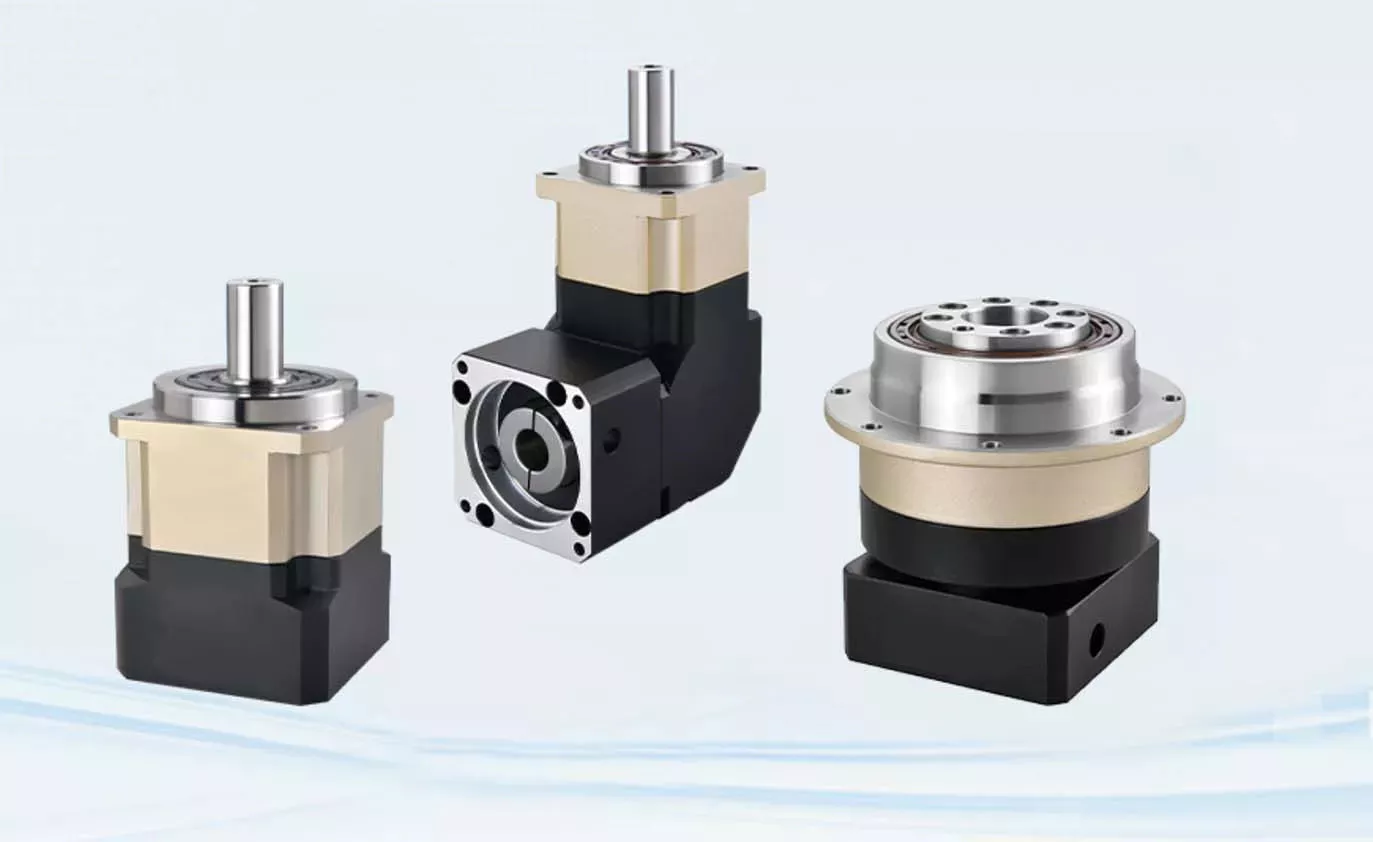
Planetary Gearbox
This article will explore the design and applications of a planetary gearbox. The reduction ratio of a planetary gearbox is dependent on the number of teeth in the gears. The ratios of planetary gearboxes are usually lower than those of conventional mechanical transmissions, which are mainly used to drive engines and generators. They are often the best choice for heavy-duty applications. The following are some of the advantages of planetary gearboxes.
planetary gearboxes
Planetary gearboxes work on a similar principle to solar systems. They rotate around a center gear called the sun gear, and two or more outer gears, called planet gears, are connected by a carrier. These gears then drive an output shaft. The arrangement of planet gears is similar to that of the Milky Way’s ring of planets. This arrangement produces the best torque density and stiffness for a gearbox.
As a compact alternative to normal pinion-and-gear reducers, planetary gearing offers many advantages. These characteristics make planetary gearing ideal for a variety of applications, including compactness and low weight. The efficiency of planetary gearing is enhanced by the fact that ninety percent of the input energy is transferred to the output. The gearboxes also have low noise and high torque density. Additionally, their design offers better load distribution, which contributes to a longer service life.
Planetary gears require lubrication. Because they have a smaller footprint than conventional gears, they dissipate heat well. In fact, lubrication can even lower vibration and noise. It’s also important to keep the gears properly lubricated to prevent the wear and tear that comes with use. The lubrication in planetary gears also helps keep them operating properly and reduces wear and tear on the gears.
A planetary gearbox uses multiple planetary parts to achieve the reduction goal. Each gear has an output shaft and a sun gear located in the center. The ring gear is fixed to the machine, while the sun gear is attached to a clamping system. The outer gears are connected to the carrier, and each planetary gear is held together by rings. This arrangement allows the planetary gear to be symmetrical with respect to the input shaft.
The gear ratio of a planetary gearbox is defined by the sun gear’s number of teeth. As the sun gear gets smaller, the ratio of the gear will increase. The ratio range of planetary gears ranges from 3:1 to ten to one. Eventually, however, the sun gear becomes too small, and the torque will fall significantly. The higher the ratio, the less torque the gears can transmit. So, planetary gears are often referred to as “planetary” gears.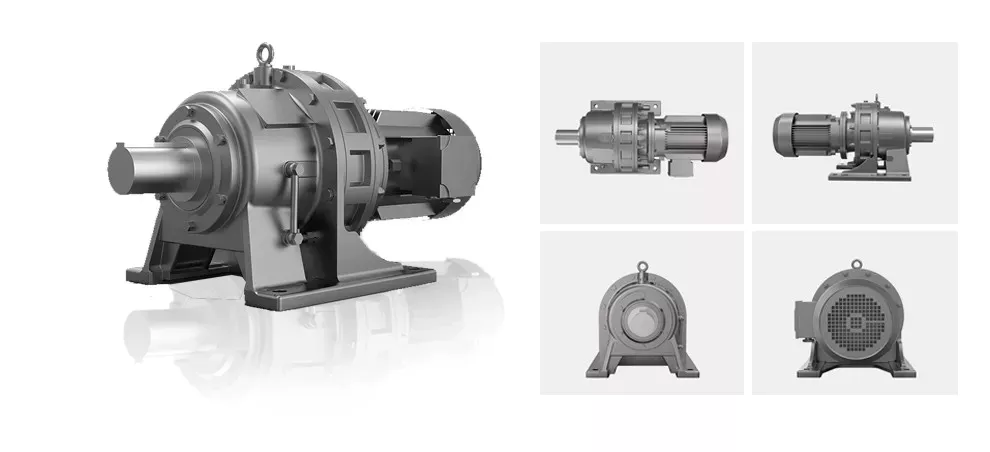
Their design
The basic design of a Planetary Gearbox is quite simple. It consists of three interconnecting links, each of which has its own torque. The ring gear is fixed to the frame 0 at O, and the other two are fixed to each other at A and B. The ring gear, meanwhile, is attached to the planet arm 3 at O. All three parts are connected by joints. A free-body diagram is shown in Figure 9.
During the development process, the design team will divide the power to each individual planet into its respective power paths. This distribution will be based on the meshing condition of all gears in the system. Then, the design team will proceed to determine the loads on individual gear meshes. Using this method, it is possible to determine the loads on individual gear meshes and the shape of ring gear housing.
Planetary Gearboxes are made of three gear types. The sun gear is the center, which is connected to the other two gears by an internal tooth ring gear. The planet pinions are arranged in a carrier assembly that sets their spacing. The carrier also incorporates an output shaft. The three components in a Planetary Gearbox mesh with each other, and they rotate together as one. Depending on the application, they may rotate at different speeds or at different times.
The planetary gearbox’s design is unique. In a planetary gearbox, the input gear rotates around the central gear, while the outer gears are arranged around the sun gear. In addition, the ring gear holds the structure together. A carrier connects the outer gears to the output shaft. Ultimately, this gear system transmits high torque. This type of gearbox is ideal for high-speed operations.
The basic design of a Planetary Gearbox consists of multiple contacts that must mesh with each other. A single planet has an integer number of teeth, while the ring has a non-integer number. The teeth of the planets must mesh with each other, as well as the sun. The tooth counts, as well as the planet spacing, play a role in the design. A planetary gearbox must have an integer number of teeth to function properly.
Applications
In addition to the above-mentioned applications, planetary gearing is also used in machine tools, plastic machinery, derrick and dock cranes, and material handling equipments. Further, its application is found in dredging equipment, road-making machinery, sugar crystallizers, and mill drives. While its versatility and efficiency makes it a desirable choice for many industries, its complicated structure and construction make it a complex component.
Among the many benefits of using a planetary gearbox, the ability to transmit greater torque into a controlled space makes it a popular choice for many industries. Moreover, adding additional planet gears increases the torque density. This makes planetary gears suitable for applications requiring high torque. They are also used in electric screwdrivers and turbine engines. However, they are not used in everything. Some of the more common applications are discussed below:
One of the most important features of planetary gearboxes is their compact footprint. They are able to transmit torque while at the same time reducing noise and vibration. In addition to this, they are able to achieve a high speed without sacrificing high-quality performance. The compact footprint of these gears also allows them to be used in high-speed applications. In some cases, a planetary gearbox has sliding sections. Some of these sections are lubricated with oil, while others may require a synthetic gel. Despite these unique features, planetary gears have become common in many industries.
Planetary gears are composed of three components. The sun gear is the input gear, whereas the planet gears are the output gears. They are connected by a carrier. The carrier connects the input shaft with the output shaft. A planetary gearbox can be designed for various requirements, and the type you use will depend on the needs of your application. Its design and performance must meet your application’s needs.
The ratios of planetary gears vary depending on the number of planets. The smaller the sun gear, the greater the ratio. When planetary stages are used alone, the ratio range is 3:1 to 10:1. Higher ratios can be obtained by connecting several planetary stages together in the same ring gear. This method is known as a multi-stage gearbox. However, it can only be used in large gearboxes.
Maintenance
The main component of a planetary gearbox is the planetary gear. It requires regular maintenance and cleaning to remain in top shape. Demand for a longer life span protects all other components of the gearbox. This article will discuss the maintenance and cleaning procedures for planetary gears. After reading this article, you should know how to maintain your planetary gearbox properly. Hopefully, you can enjoy a longer life with your gearbox.
Firstly, it is important to know how to properly lubricate a planetary gearbox. The lubricant is essential as gears that operate at high speeds are subject to high levels of heat and friction. The housing of the planetary gearbox should be constructed to allow the heat to dissipate. The recommended oil is synthetic, and it should be filled between 30 and 50 percent. The lubricant should be changed at least every six months or as needed.
While it may seem unnecessary to replace a planetary gearbox, regular servicing will help it last a long time. A regular inspection will identify a problem and the appropriate repairs are needed. Once the planetary gearbox is full, it will plug with gear oil. To avoid this problem, consider getting the unit repaired instead of replacing the gearbox. This can save you a lot of money over a new planetary gearbox.
Proper lubrication is essential for a long life of your planetary gearbox. Oil change frequency should be based on oil temperature and operating speed. Oil at higher temperatures should be changed more frequently because it loses its molecular structure and cannot form a protective film. After this, oil filter maintenance should be performed every few months. Lastly, the gearbox oil needs to be checked regularly and replaced when necessary.


editor by CX 2024-04-04
China high quality Compact Encoder Feedback 40 Flange Servo Motor
Product Description
Product Description
Company Profile
FAQ
| Q:How to choose a multi-degree-of-freedom motion platform? A: First, clarify the type of platform needed (degrees of freedom, simulation platform, positioning platform, swing platform, vibration platform, etc.). Next, determine the platform’s payload, followed by size requirements, and finally, specify the platform’s attitude data. Q:What is the repeatability of a multi-degree-of-freedom motion platform? Q:What is the resolution of a multi-degree-of-freedom motion platform? Q:Does a multi-degree-of-freedom motion platform require maintenance? How to maintain it? Q:What is the maximum effective load that a multi-degree-of-freedom motion platform can handle? Q:What is the maximum angular position that a multi-degree-of-freedom motion platform can achieve? |
/* January 22, 2571 19:08:37 */!function(){function s(e,r){var a,o={};try{e&&e.split(“,”).forEach(function(e,t){e&&(a=e.match(/(.*?):(.*)$/))&&1
| Application: | Industrial |
|---|---|
| Speed: | High Speed |
| Number of Stator: | Single-Phase |
| Function: | Driving, Control |
| Certification: | ISO9001 |
| Motor: | Servo Motor |
| Customization: |
Available
|
|
|---|

Are there innovations or advancements in pitch drive technology that have emerged recently?
Yes, there have been significant innovations and advancements in pitch drive technology that have emerged recently. These developments aim to improve the performance, efficiency, reliability, and functionality of pitch drives in various applications. Here’s a detailed explanation of some recent innovations in pitch drive technology:
- Advanced Materials and Design: Recent advancements in material science and engineering have led to the development of advanced materials and design techniques for pitch drives. These include the use of lightweight and high-strength materials, such as carbon fiber composites, to reduce the weight of the pitch system components without compromising structural integrity. Advanced design methodologies, such as topology optimization and additive manufacturing, enable the creation of complex and optimized geometries, enhancing the performance and efficiency of pitch drives.
- Smart and Integrated Control Systems: The integration of smart and integrated control systems is a notable advancement in pitch drive technology. These systems combine advanced control algorithms, real-time data analysis, and machine learning techniques to enable more precise and adaptive control of pitch adjustments. Smart control systems can optimize pitch angles based on real-time environmental conditions, system performance, and power demand, resulting in improved energy capture, reduced loads, and enhanced overall efficiency.
- Condition Monitoring and Predictive Maintenance: Recent innovations in pitch drive technology include the implementation of condition monitoring and predictive maintenance techniques. By integrating sensors, data analytics, and machine learning algorithms, pitch drives can continuously monitor their own health and performance. This allows for the early detection of anomalies, degradation, or impending failures. Predictive maintenance strategies based on the collected data can then be employed to schedule maintenance activities proactively, minimizing downtime and optimizing the lifespan of pitch drives.
- Fault-Tolerant Designs: Fault-tolerant designs have emerged as a significant advancement in pitch drive technology. These designs incorporate redundancy and robustness features to ensure the continued operation of pitch drives even in the presence of component failures or faults. Redundant sensors, actuators, or control modules can be implemented to maintain functionality and safety. Fault-tolerant designs improve the reliability, availability, and safety of pitch drives in critical applications, such as wind turbines or marine propulsion systems.
- Wireless Monitoring and Control: The integration of wireless monitoring and control capabilities is another recent innovation in pitch drive technology. Wireless technologies, such as Bluetooth, Wi-Fi, or cellular networks, enable remote monitoring and control of pitch drives. This allows for real-time data acquisition, performance analysis, and system adjustments from a central control station or through mobile devices. Wireless monitoring and control enhance convenience, accessibility, and scalability in managing pitch drives across multiple installations or locations.
- Energy Storage Integration: Innovations in pitch drive technology also include the integration of energy storage systems. Energy storage devices, such as batteries or supercapacitors, can be combined with pitch drives to store excess energy during low-demand periods and release it during high-demand periods. This integration improves the overall energy management, enhances grid stability, and allows for better utilization of renewable energy sources.
These recent innovations and advancements in pitch drive technology demonstrate the ongoing efforts to enhance the performance, efficiency, reliability, and functionality of adjustable systems. By leveraging advanced materials, smart control systems, condition monitoring, fault-tolerant designs, wireless capabilities, and energy storage integration, pitch drives are becoming more capable, intelligent, and adaptable, enabling their effective deployment in a wide range of applications.
What advantages do pitch drives offer compared to other adjustment mechanisms?
Pitch drives offer several advantages compared to other adjustment mechanisms. They provide precise and controlled pitch adjustments in various applications, contributing to enhanced performance, efficiency, and safety. Here’s a detailed explanation of the advantages that pitch drives offer over other adjustment mechanisms:
- Precision and Accuracy: Pitch drives allow for precise and accurate pitch adjustments. They offer fine control over the pitch angle, enabling precise positioning and alignment of rotating components. This level of precision is crucial in applications where optimal performance, aerodynamics, or load distribution is essential.
- Dynamic Control: Pitch drives provide dynamic control over the pitch angle, allowing for real-time adjustments based on changing conditions or operational requirements. They can adapt to varying loads, wind speeds, or other external factors, ensuring that the pitch angle is continuously optimized for optimal performance and safety.
- Individual Blade Control: In systems with multiple rotating components, such as wind turbines or helicopter rotors, pitch drives offer the advantage of individual blade control. Each blade can be adjusted independently, allowing for optimized load distribution, reduced aerodynamic imbalances, and improved overall efficiency.
- Safety and Protection: Pitch drives contribute to safety and protection in machinery. They allow for controlled adjustments of the pitch angle to regulate the rotational speed, prevent over-speeding, and mitigate the effects of excessive loads or adverse operating conditions. This capability helps to safeguard the machinery from potential damage or catastrophic failures.
- Automation and Integration: Pitch drives can be integrated into automated control systems, enabling seamless integration and coordination with other components or subsystems. Through sensors, feedback loops, and control algorithms, pitch drives can be part of a closed-loop control system that continuously monitors and adjusts the pitch angle based on predefined parameters or operational objectives. This integration enhances the precision, responsiveness, and overall performance of pitch adjustments.
- Flexibility and Adaptability: Pitch drives offer flexibility and adaptability to meet diverse application requirements. Different types of pitch drives, such as hydraulic, pneumatic, electric, or mechanical systems, can be chosen based on the specific needs of the application. This flexibility allows for customization and the ability to adapt the pitch drives to different machinery configurations or operating conditions.
- Efficiency and Performance: By enabling precise and controlled pitch adjustments, pitch drives contribute to improved efficiency and performance in various applications. Optimized pitch angles can enhance aerodynamic characteristics, increase energy conversion efficiency, reduce mechanical stress, and improve overall system performance.
- Reliability and Durability: Pitch drives are designed for reliability and durability. They are built to withstand the demanding conditions of industrial applications, including temperature variations, high loads, and harsh environments. Pitch drives undergo rigorous testing and are constructed with robust materials to ensure long-term reliability and minimal maintenance requirements.
Overall, pitch drives offer advantages such as precision, dynamic control, individual blade control, safety features, automation and integration capabilities, flexibility, efficiency, reliability, and durability. These advantages make pitch drives a preferred choice for applications that require precise and controlled pitch adjustments in various industries, including wind energy, aviation, marine, and many others.
How does the design of a pitch drive contribute to efficient adjustment or movement?
The design of a pitch drive plays a crucial role in enabling efficient adjustment or movement of the pitch angle in machinery or systems. The design factors of a pitch drive are carefully considered to ensure precise control, reliability, and optimal performance. Here’s a detailed explanation of how the design of a pitch drive contributes to efficient adjustment or movement:
The design considerations of a pitch drive include the following aspects:
- Mechanical Structure: The mechanical structure of a pitch drive is designed to provide the necessary strength, rigidity, and durability to withstand the operational forces and loads. It ensures that the pitch drive can effectively transmit and control the required torque and movement to adjust the pitch angle. The design considers factors such as material selection, component dimensions, and overall structural integrity to ensure efficient adjustment without compromising the system’s reliability.
- Gearing System: Pitch drives often incorporate gearing systems to transmit and amplify the rotational motion. The design of the gearing system is crucial for efficient adjustment or movement. It ensures precise torque transmission, minimal backlash, and smooth operation. The gear ratio and gear quality are carefully chosen to achieve the desired pitch angle adjustment range and accuracy. The design of the gears also considers factors such as noise reduction, lubrication, and maintenance requirements.
- Actuation Mechanism: The actuation mechanism of a pitch drive depends on the specific application and requirements. It can involve various technologies such as hydraulic, pneumatic, or electric actuators. The design of the actuation mechanism focuses on providing precise and responsive control over the pitch angle adjustment. Factors such as actuator speed, force or torque output, and control system integration are considered to ensure efficient adjustment or movement.
- Control System Integration: The design of a pitch drive includes the integration of a control system that governs the pitch angle adjustment. The control system receives input signals or commands and translates them into appropriate actuation signals for the pitch drive mechanism. The design of the control system ensures accurate and responsive control, taking into account factors such as sensor feedback, signal processing, and control algorithms. Efficient control system design facilitates precise and dynamic adjustment of the pitch angle in real-time.
The design features and considerations of a pitch drive contribute to efficient adjustment or movement in several ways:
- High Precision: The design ensures precise control over the pitch angle, allowing for fine adjustments and accurate positioning. This precision is crucial in applications where small changes in the pitch angle can significantly impact performance, efficiency, or safety.
- Smooth Operation: The design minimizes friction, backlash, and mechanical vibrations, resulting in smooth and consistent movement during pitch angle adjustment. Smooth operation reduces wear and tear, enhances system reliability, and improves overall performance.
- Speed and Responsiveness: The design factors in the actuation mechanism and control system to enable fast and responsive pitch angle adjustments. This is particularly important in applications where rapid changes in the pitch angle are required to adapt to dynamic operating conditions.
- Reliability: The design ensures the pitch drive’s structural integrity, component durability, and system reliability. This contributes to long-term operation without significant maintenance or downtime, enhancing the efficiency and productivity of the machinery or system.
- Safety: The design incorporates safety features and mechanisms to prevent unintended or excessive pitch angle adjustments. Safety considerations may include limit switches, emergency stop controls, or redundant systems to ensure safe operation and protect against potential hazards.
Overall, the design of a pitch drive is carefully engineered to provide efficient adjustment or movement of the pitch angle. By considering mechanical structure, gearing systems, actuation mechanisms, and control system integration, the design aims to achieve precise control, reliability, and optimal performance in machinery or systems that rely on pitch angle adjustment.
editor by CX 2024-04-04
China Custom Factory Gvb Gpb CZPT Right Angle Servo Motor Gearbox Robtic Arm Planetary Gearhead design of planetary gearbox
Product Description
TaiBang Motor Industry Group Co., Ltd.
The main products is induction motor, reversible motor, DC brush gear motor, DC brushless gear motor, CH/CV big gear motors, Planetary gear motor ,Worm gear motor etc, which used widely in various fields of manufacturing pipelining, transportation, food, medicine, printing, fabric, packing, office, apparatus, entertainment etc, and is the preferred and matched product for automatic machine.
Model Instruction
GB090-10-P2
| GB | 090 | 571 | P2 |
| Reducer Series Code | External Diameter | Reduction Ratio | Reducer Backlash |
| GB:High Precision Square Flange Output
GBR:High Precision Right Angle Square Flange Output GE:High Precision Round Flange Output GER:High Precision Right Round Flange Output |
050:ø50mm 070:ø70mm 090:ø90mm 120:ø120mm 155:ø155mm 205:ø205mm 235:ø235mm 042:42x42mm 060:60x60mm 090:90x90mm 115:115x115mm 142:142x142mm 180:180x180mm 220:220x220mm |
571 means 1:10 | P0:High Precision Backlash
P1:Precision Backlash P2:Standard Backlash |
Main Technical Performance
| Item | Number of stage | Reduction Ratio | GB042 | GB060 | GB060A | GB090 | GB090A | GB115 | GB142 | GB180 | GB220 |
| Rotary Inertia | 1 | 3 | 0.03 | 0.16 | 0.61 | 3.25 | 9.21 | 28.98 | 69.61 | ||
| 4 | 0.03 | 0.14 | 0.48 | 2.74 | 7.54 | 23.67 | 54.37 | ||||
| 5 | 0.03 | 0.13 | 0.47 | 2.71 | 7.42 | 23.29 | 53.27 | ||||
| 6 | 0.03 | 0.13 | 0.45 | 2.65 | 7.25 | 22.75 | 51.72 | ||||
| 7 | 0.03 | 0.13 | 0.45 | 2.62 | 7.14 | 22.48 | 50.97 | ||||
| 8 | 0.03 | 0.13 | 0.44 | 2.58 | 7.07 | 22.59 | 50.84 | ||||
| 9 | 0.03 | 0.13 | 0.44 | 2.57 | 7.04 | 22.53 | 50.63 | ||||
| 10 | 0.03 | 0.13 | 0.44 | 2.57 | 7.03 | 22.51 | 50.56 | ||||
| 2 | 15 | 0.03 | 0.03 | 0.13 | 0.13 | 0.47 | 0.47 | 2.71 | 7.42 | 23.29 | |
| 20 | 0.03 | 0.03 | 0.13 | 0.13 | 0.47 | 0.47 | 2.71 | 7.42 | 23.29 | ||
| 25 | 0.03 | 0.03 | 0.13 | 0.13 | 0.47 | 0.47 | 2.71 | 7.42 | 23.29 | ||
| 30 | 0.03 | 0.03 | 0.13 | 0.13 | 0.47 | 0.47 | 2.71 | 7.42 | 23.29 | ||
| 35 | 0.03 | 0.03 | 0.13 | 0.13 | 0.47 | 0.47 | 2.71 | 7.42 | 23.29 | ||
| 40 | 0.03 | 0.03 | 0.13 | 0.13 | 0.47 | 0.47 | 2.71 | 7.42 | 23.29 | ||
| 45 | 0.03 | 0.03 | 0.13 | 0.13 | 0.47 | 0.47 | 2.71 | 7.42 | 23.29 | ||
| 50 | 0.03 | 0.03 | 0.13 | 0.13 | 0.44 | 0.44 | 2.57 | 7.03 | 22.51 | ||
| 60 | 0.03 | 0.03 | 0.13 | 0.13 | 0.44 | 0.44 | 2.57 | 7.03 | 22.51 | ||
| 70 | 0.03 | 0.03 | 0.13 | 0.13 | 0.44 | 0.44 | 2.57 | 7.03 | 22.51 | ||
| 80 | 0.03 | 0.03 | 0.13 | 0.13 | 0.44 | 0.44 | 2.57 | 7.03 | 22.51 | ||
| 90 | 0.03 | 0.03 | 0.13 | 0.13 | 0.44 | 0.44 | 2.57 | 7.03 | 22.51 | ||
| 100 | 0.03 | 0.03 | 0.13 | 0.13 | 0.44 | 0.44 | 2.57 | 7.03 | 22.51 |
| Item | Number of stage | GB042 | GB060 | GB060A | GB90 | GB090A | GB115 | GB142 | GB180 | GB220 | |
| Backlash(arcmin) | High Precision P0 | 1 | ≤1 | ≤1 | ≤1 | ≤1 | ≤1 | ≤1 | |||
| 2 | ≤3 | ≤3 | ≤3 | ≤3 | |||||||
| Precision P1 | 1 | ≤3 | ≤3 | ≤3 | ≤3 | ≤3 | ≤3 | ≤3 | ≤3 | ≤3 | |
| 2 | ≤5 | ≤5 | ≤5 | ≤5 | ≤5 | ≤5 | ≤5 | ≤5 | ≤5 | ||
| Standard P2 | 1 | ≤5 | ≤5 | ≤5 | ≤5 | ≤5 | ≤5 | ≤5 | ≤5 | ≤5 | |
| 2 | ≤7 | ≤7 | ≤7 | ≤7 | ≤7 | ≤7 | ≤7 | ≤7 | ≤7 | ||
| Torsional Rigidity(N.M/arcmin) | 1 | 3 | 7 | 7 | 14 | 14 | 25 | 50 | 145 | 225 | |
| 2 | 3 | 7 | 7 | 14 | 14 | 25 | 50 | 145 | 225 | ||
| Noise(dB) | 1,2 | ≤56 | ≤58 | ≤58 | ≤60 | ≤60 | ≤63 | ≤65 | ≤67 | ≤70 | |
| Rated input speed(rpm) | 1,2 | 5000 | 5000 | 5000 | 4000 | 4000 | 4000 | 3000 | 3000 | 2000 | |
| Max input speed(rpm) | 1,2 | 10000 | 10000 | 10000 | 8000 | 8000 | 8000 | 6000 | 6000 | 4000 | |
Noise test standard:Distance 1m,no load.Measured with an input speed 3000rpm
| Application: | Machinery, Agricultural Machinery |
|---|---|
| Function: | Distribution Power, Change Drive Torque, Change Drive Direction, Speed Reduction |
| Layout: | Cycloidal |
| Hardness: | Hardened Tooth Surface |
| Installation: | Vertical Type |
| Step: | Double-Step |
| Samples: |
US$ 50/Piece
1 Piece(Min.Order) | |
|---|
| Customization: |
Available
| Customized Request |
|---|
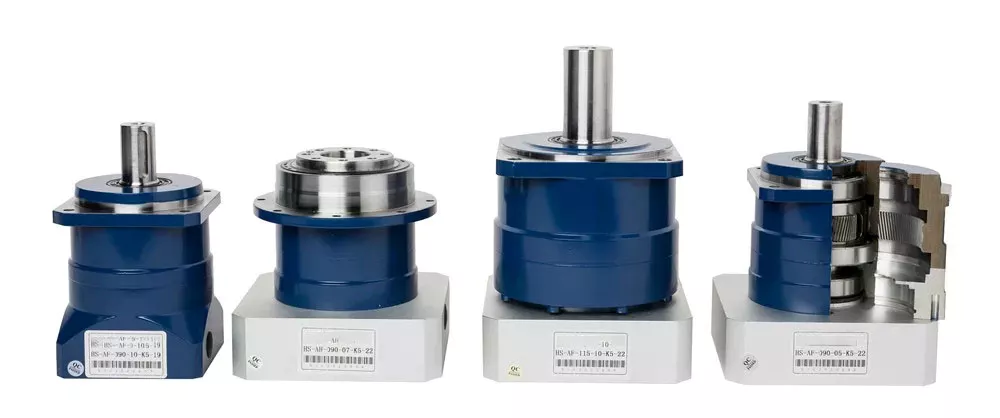
The Basics of a Planetary Gearbox
The basic model of a planetary gearbox is a highly efficient transmission that transmits nearly ninety percent of the power it receives. The basic planetary gearbox comes in three basic types: Inline, Helical, and Spur. Below, we will discuss the differences between each of them and which one is better for your needs. A planetary gearbox is an important part of any engine and may be the perfect choice for your vehicle.
Inline planetary gearbox
An inline planetary gearbox has an inline arrangement of gears that enables the transfer of power. Its design makes it stable and reliable, and the space and weight-saving benefits make it a popular choice for many applications. Planetary gearboxes have low inertia, high torque, and a wide range of reduction ratios, which make them a versatile choice for many industries. To find out more about this type of gearbox, read about its construction and specifications.
A planetary gearbox is composed of two parts: a sun gear (also called the central or input gear), and two planet gears (also called outer gears). These gears are connected to each other via a carrier. In order to get the best performance from your gearbox, it’s important to find a model with the features and benefits required for your application. Also, be sure to check out the delivery time, global availability, and customer service of your selected constructor. A few constructors are faster than others and have the ability to respond quickly, while others can deliver every single planetary gearbox out of stock.
Whether you’re using an inline planetary gearbox for your car’s transmission, or you’re building a new machine, it’s important to choose the right size for your application. The most common ratio is five:1, but an inline gearbox can be as high as 1000:1! The torque range is between 250-950 lb-in for continuous torque, and up to 5800 lb-in for yield torque. Some companies even offer custom shafts if you need them to fit a specific application.
Inline planetary gearboxes have a high ratio of helical rotation and are useful for applications where space is limited. Their low-backlash design allows them to handle high torques and high accelerations without backlash. Despite their compact size, planetary gear systems also have high single-stage reduction ratios, a feature that makes them ideal for a variety of industrial applications. They can also be connected for high reduction ratios.
An inline planetary gearbox can be used in many applications, from small tools to heavy industrial machinery. Its basic design includes three components: an input gear pair, an output gear pair, and a stationary position. Some planetary gearbox designs also include additional gear sets that can provide a slight offset between input and output. A planetary gearbox may also contain multiple bearings, which make the assembly more robust and reliable.
Inline planetary gear reducers are commonly used in industrial settings to slow down an electric motor. They are able to multiply torque, which means they can reduce the input speed to a level where the mechanical devices inside the motor can function properly. This type of gear reducer also has a low clearance, which makes it ideal for machines with high torque. However, you should consider the amount of torque required in your application before you make a purchase.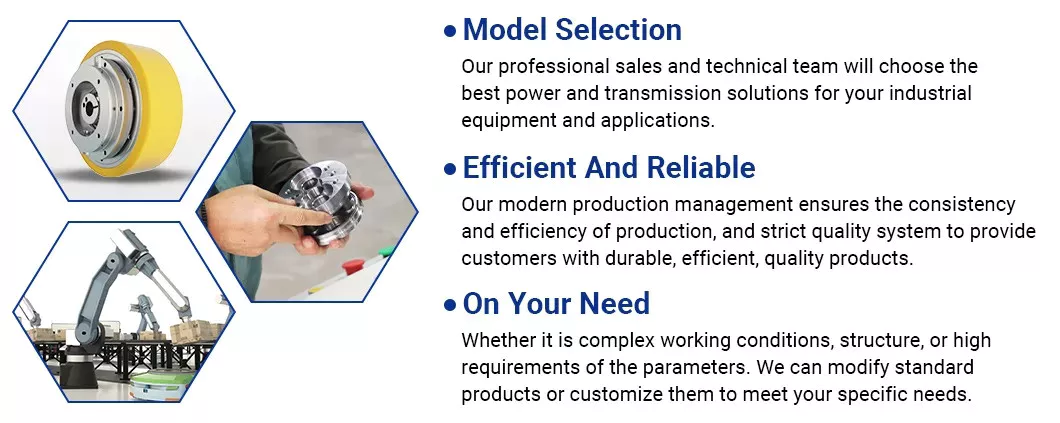
Helical planetary gearbox
A helical planetary gearbox is a type of mechanical system. The gears are connected by joints to the carrier that holds the planets stationary. The sun gear serves as an input to the other gears, and the planet gears rotate at a rate that depends on the number of teeth in each gear. The ratio between these gears is -Ns/Np, and the number of teeth in the ring is N r, N s, and N p.
Another type of planetary gearbox uses multiple helical axes to distribute the load. This design also offers high stiffness and low backlash, which is important for applications involving frequent start-stop cycles and rotational direction changes. It also features a compact design and low mass inertia. A helical planetary gearbox can be used for a wide range of applications. Listed below are some of the benefits of helical gear technology.
The basic design of a helical planetary gear is based on the principle of stepping planets. This concept eliminates the need for timing marks and restrictive assembly conditions. The planetary gear’s helical shape can be modified to achieve a greater transmission ratio in an equal or smaller volume. For example, a 50-T ring gear will yield the same effect as a 100-T ring gear.
In addition to the helical axis, a helical planetary gearbox also has a wide variety of secondary features that are critical to torque transmission. For instance, compact needle roller bearings are appropriate for a helical planetary gearbox because of their low-profile design and small space. However, a tapered roller bearing is better suited to handling high axial forces. In general, a helical planetary gearbox will have a higher efficiency rate and lower noise levels.
A helical planetary gearbox will have a number of components that can vary in size and shape. They will include a sun gear and many planetary parts. The central sun gear will take a low-torque input and will run multiple external gears to increase the torque and speed. This basic model of a planetary gearbox is highly efficient, transferring 97% of the power input. There are three main types of planetary gearboxes: the cylindrical planetary gearbox, the helical planetary gearbox, and the helical wormwheel.
The CZPT is a good example of an entry-level helical planetary gearbox. It is extremely reliable and aimed at providing torque in quiet applications with high precision. The Access series is another option, which is designed to meet the needs of the low-backlash planetary gearbox market. It features helical planetary gears with five to eight arc-minutes backlash, and is built on a monobloc housing.
A helical planetary gearbox is widely used in 3D printing. They are lightweight and can provide a high gear ratio. In addition to their low weight and high efficiency, some people have installed them into 3D printers to improve the accuracy of their designs. And in addition to 3D printing, helical gears are used in many industrial applications. If you’re thinking about purchasing one, you should know what the benefits are.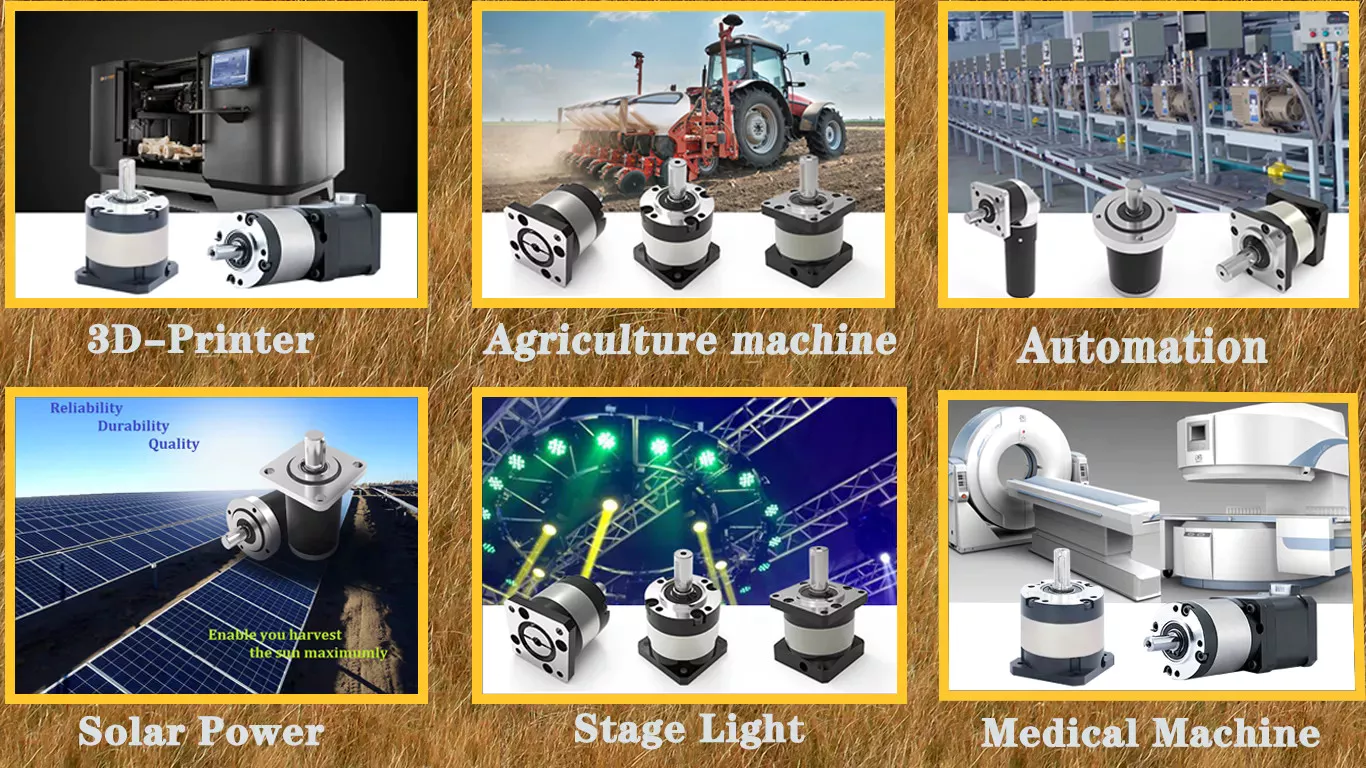
Spur planetary gearbox
There are many advantages to a spur planetary gearbox, from its compact design and low cost to its unmatched power transmission capacity per unit volume. Planetary gears have high efficiency per stage and can achieve up to 95% efficiency, depending on the ratio. Planet gears are mounted on a joint carrier, and the output rotation speed is slower than the drive rotation speed, which leads to increased torque. The higher the gear wheels, the more torque the unit can produce.
A spur planetary gearbox incorporates multiple other gear sets that must have helical teeth. These other gear sets must be helical, and the motor must be aligned with the driven parts. The spur gears are the most efficient type of planetary gear, as their teeth are symmetrical, which means no axial forces are generated. The difference between a spur and a planetary gearbox is its shape.
The right angle spur planetary gearbox is a versatile design with a spiral bevel gear that provides superior smoothness and quiet operation. This gearhead is case-hardened and ground to increase its efficiency. These gears can be purchased in 3-100 ratios. Spur planetary gearboxes can also have ISO rotary flanges, keyed shafts, DIN splines, or hollow compression connections.
A spur planetary gearbox utilizes spur gears around the circumference of the mechanism. The spur gears rotate between gears that have internal and external teeth. Because of this, the angular velocity of the spur gear differential carrier is the average of the ring gears and sun gears. A spur gearbox can also be considered a compound planetary gear. It is typically used for servo applications. Unlike spur gears, helical planetary gears are easier to maintain and have lower noise levels.
The most notable difference between a spur planetary gearbox and a planetary gearhead is the lubrication of the pinion and the spur gear head. A spur gear head is less complex, but cannot handle the same amount of load as a planetary gearhead. Both types can achieve the same backlash, but a planetary gearhead has better lubrication retention than a spur gear. It can run at higher speeds without excessive lubrication, while a spur gear drive is more efficient at low speeds. The reduction ratio of a planetary gearhead is near unity while that of a planetary gear head is many thousand to one.
A planetary gearbox has many applications. Plastic machinery, goods & personnel lifts, and machine tools are all prime examples of these types of gearing systems. Other industries that use these gears include wind turbines and sugar crystallizers, as well as steel and sugar mills. And of course, the use of planetary gears is not limited to these industries. It is used in many different ways, including slewing drives, mill drive, and derrick & dockyard cranes
editor by CX 2023-11-24
China wholesaler Desboer Ndr090 Series Multipurpose High Precision Planetary Gearbox Uses for Servo Motor planetary gearbox manufacturers
Product Description
Product Description
The NDR090 series planetary gearboxes are designed and machined as a single unit with special tapered roller bearings to provide high radial load, high torque, ultra-precision, and small size. The ND series uses in highly rigid industries such as fiber optic laser equipment, floor track equipment, robot seventh axis, Parallel robots (spider hand) machine tools, and rotating arms.
Product Name: High Precision Planetary Reducer
Product Series: NDR090 Series
Product features: high torque, high load, ultra-precision, small size
Product Description:
Integrated design concept with high-strength bearings ensure the product itself is durable and efficient
A variety of output ideas such as shaft output, flange and gear are available.
1 arc minute ≤ backlash ≤ 3 arc minutes
Reduction ratios ranging from 3 to 100
Frame design: increases torque and optimizes power transmission
Optimised selection of oil seals: reduces friction and laminate transmission efficiency
Protection class IP65
Warranty: 2 years
Our Advantages
High torque
High load
ultra-precision
Small size
Detailed Photos
Product Parameters
| Segment number | Double segment | ||||||||
| Ratio | i | 25 | 35 | 40 | 50 | 70 | 100 | 140 | 200 |
| Rated output torque | Nm | 150 | 130 | 120 | 150 | 130 | 95 | 130 | 95 |
| Emergency stop torque | Nm | Three times of Maximum Output Torque | |||||||
| Rated input speed | Rpm | 4000 | |||||||
| Max input speed | Rpm | 8000 | |||||||
| Ultraprecise backlash | arcmin | ≤4 | |||||||
| Precision backlash | arcmin | ≤7 | |||||||
| Standard backlash | arcmin | ≤9 | |||||||
| Torsional rigidity | Nm/arcmin | 31 | |||||||
| Max.bending moment | Nm | 235 | |||||||
| Max.axial force | N | 2850 | |||||||
| Service life | hr | 30000(15000 under continuous operation) | |||||||
| Efficiency | % | ≥92% | |||||||
| Weight | kg | 4.5 | |||||||
| Operating Temperature | ºC | -10ºC~+90ºC | |||||||
| Lubrication | Synthetic grease | ||||||||
| Protection class | IP64 | ||||||||
| Mounting Position | All directions | ||||||||
| Noise level(N1=3000rpm,non-loaded) | dB(A) | ≤65 | |||||||
| Rotary inertia | Kg·cm² | 0.35 | 0.31 | ||||||
Applicable Industries
Packaging Machinery Mechanical Hand Textile Machinery
Non Standard automation Machine Tool Printing Equipment
Certifications
Company Profile
DESBOER (HangZhou) Transmission Technology Co., Ltd. is a subsidiary of DESBOER (China), which is committed to the design, development, customized production and sales of high precision planetary reducer as 1 of the technology company. Our company has over 10 years of design, production and sales experience, the main products are the high precision planetary reducer, gear, rack, etc., with high quality, short delivery period, high cost performance and other advantages to better serve the demand of global customers. It is worth noting that we remove the intermediate link sale from the factory directly to customers, so that you can get the most ideal price and also get our best quality service simultaneously.
About Research
In order to strengthen the advantages of products in the international market, the head company in Kyoto, Japan to established KABUSHIKIKAISYA KYOEKI, mainly engaged in the development of DESBOER high precision planetary reducer, high precision of transmission components such as the development work, to provide the most advanced design technology and the most high-quality products for the international market.
| Application: | Motor, Machinery, Marine, Agricultural Machinery, CNC Machine |
|---|---|
| Function: | Change Drive Torque, Speed Changing, Speed Reduction |
| Layout: | Plantery Type |
| Hardness: | Hardened Tooth Surface |
| Installation: | All Directions |
| Step: | Double-Step |
| Customization: |
Available
| Customized Request |
|---|
Planetary Gearbox
This article will explore the design and applications of a planetary gearbox. The reduction ratio of a planetary gearbox is dependent on the number of teeth in the gears. The ratios of planetary gearboxes are usually lower than those of conventional mechanical transmissions, which are mainly used to drive engines and generators. They are often the best choice for heavy-duty applications. The following are some of the advantages of planetary gearboxes.
planetary gearboxes
Planetary gearboxes work on a similar principle to solar systems. They rotate around a center gear called the sun gear, and two or more outer gears, called planet gears, are connected by a carrier. These gears then drive an output shaft. The arrangement of planet gears is similar to that of the Milky Way’s ring of planets. This arrangement produces the best torque density and stiffness for a gearbox.
As a compact alternative to normal pinion-and-gear reducers, planetary gearing offers many advantages. These characteristics make planetary gearing ideal for a variety of applications, including compactness and low weight. The efficiency of planetary gearing is enhanced by the fact that ninety percent of the input energy is transferred to the output. The gearboxes also have low noise and high torque density. Additionally, their design offers better load distribution, which contributes to a longer service life.
Planetary gears require lubrication. Because they have a smaller footprint than conventional gears, they dissipate heat well. In fact, lubrication can even lower vibration and noise. It’s also important to keep the gears properly lubricated to prevent the wear and tear that comes with use. The lubrication in planetary gears also helps keep them operating properly and reduces wear and tear on the gears.
A planetary gearbox uses multiple planetary parts to achieve the reduction goal. Each gear has an output shaft and a sun gear located in the center. The ring gear is fixed to the machine, while the sun gear is attached to a clamping system. The outer gears are connected to the carrier, and each planetary gear is held together by rings. This arrangement allows the planetary gear to be symmetrical with respect to the input shaft.
The gear ratio of a planetary gearbox is defined by the sun gear’s number of teeth. As the sun gear gets smaller, the ratio of the gear will increase. The ratio range of planetary gears ranges from 3:1 to ten to one. Eventually, however, the sun gear becomes too small, and the torque will fall significantly. The higher the ratio, the less torque the gears can transmit. So, planetary gears are often referred to as “planetary” gears.
Their design
The basic design of a Planetary Gearbox is quite simple. It consists of three interconnecting links, each of which has its own torque. The ring gear is fixed to the frame 0 at O, and the other two are fixed to each other at A and B. The ring gear, meanwhile, is attached to the planet arm 3 at O. All three parts are connected by joints. A free-body diagram is shown in Figure 9.
During the development process, the design team will divide the power to each individual planet into its respective power paths. This distribution will be based on the meshing condition of all gears in the system. Then, the design team will proceed to determine the loads on individual gear meshes. Using this method, it is possible to determine the loads on individual gear meshes and the shape of ring gear housing.
Planetary Gearboxes are made of three gear types. The sun gear is the center, which is connected to the other two gears by an internal tooth ring gear. The planet pinions are arranged in a carrier assembly that sets their spacing. The carrier also incorporates an output shaft. The three components in a Planetary Gearbox mesh with each other, and they rotate together as one. Depending on the application, they may rotate at different speeds or at different times.
The planetary gearbox’s design is unique. In a planetary gearbox, the input gear rotates around the central gear, while the outer gears are arranged around the sun gear. In addition, the ring gear holds the structure together. A carrier connects the outer gears to the output shaft. Ultimately, this gear system transmits high torque. This type of gearbox is ideal for high-speed operations.
The basic design of a Planetary Gearbox consists of multiple contacts that must mesh with each other. A single planet has an integer number of teeth, while the ring has a non-integer number. The teeth of the planets must mesh with each other, as well as the sun. The tooth counts, as well as the planet spacing, play a role in the design. A planetary gearbox must have an integer number of teeth to function properly.
Applications
In addition to the above-mentioned applications, planetary gearing is also used in machine tools, plastic machinery, derrick and dock cranes, and material handling equipments. Further, its application is found in dredging equipment, road-making machinery, sugar crystallizers, and mill drives. While its versatility and efficiency makes it a desirable choice for many industries, its complicated structure and construction make it a complex component.
Among the many benefits of using a planetary gearbox, the ability to transmit greater torque into a controlled space makes it a popular choice for many industries. Moreover, adding additional planet gears increases the torque density. This makes planetary gears suitable for applications requiring high torque. They are also used in electric screwdrivers and turbine engines. However, they are not used in everything. Some of the more common applications are discussed below:
One of the most important features of planetary gearboxes is their compact footprint. They are able to transmit torque while at the same time reducing noise and vibration. In addition to this, they are able to achieve a high speed without sacrificing high-quality performance. The compact footprint of these gears also allows them to be used in high-speed applications. In some cases, a planetary gearbox has sliding sections. Some of these sections are lubricated with oil, while others may require a synthetic gel. Despite these unique features, planetary gears have become common in many industries.
Planetary gears are composed of three components. The sun gear is the input gear, whereas the planet gears are the output gears. They are connected by a carrier. The carrier connects the input shaft with the output shaft. A planetary gearbox can be designed for various requirements, and the type you use will depend on the needs of your application. Its design and performance must meet your application’s needs.
The ratios of planetary gears vary depending on the number of planets. The smaller the sun gear, the greater the ratio. When planetary stages are used alone, the ratio range is 3:1 to 10:1. Higher ratios can be obtained by connecting several planetary stages together in the same ring gear. This method is known as a multi-stage gearbox. However, it can only be used in large gearboxes.
Maintenance
The main component of a planetary gearbox is the planetary gear. It requires regular maintenance and cleaning to remain in top shape. Demand for a longer life span protects all other components of the gearbox. This article will discuss the maintenance and cleaning procedures for planetary gears. After reading this article, you should know how to maintain your planetary gearbox properly. Hopefully, you can enjoy a longer life with your gearbox.
Firstly, it is important to know how to properly lubricate a planetary gearbox. The lubricant is essential as gears that operate at high speeds are subject to high levels of heat and friction. The housing of the planetary gearbox should be constructed to allow the heat to dissipate. The recommended oil is synthetic, and it should be filled between 30 and 50 percent. The lubricant should be changed at least every six months or as needed.
While it may seem unnecessary to replace a planetary gearbox, regular servicing will help it last a long time. A regular inspection will identify a problem and the appropriate repairs are needed. Once the planetary gearbox is full, it will plug with gear oil. To avoid this problem, consider getting the unit repaired instead of replacing the gearbox. This can save you a lot of money over a new planetary gearbox.
Proper lubrication is essential for a long life of your planetary gearbox. Oil change frequency should be based on oil temperature and operating speed. Oil at higher temperatures should be changed more frequently because it loses its molecular structure and cannot form a protective film. After this, oil filter maintenance should be performed every few months. Lastly, the gearbox oil needs to be checked regularly and replaced when necessary.
editor by CX 2023-10-26
China Best Sales High Torque 750W Servo Motor Helical Planetary Reductor Gear Boxes planetary gearbox buy online
Product Description
High Torque 750W Servo Motor Helical Planetary Reductor Gear Boxes
Nickel chromium molybdenum allpy steel gear is manufacturered with carburizing heat treatment for high abrasion resistance and impact toughness and by honing process to increase gear prcision and low noise operation.
Product Description
Products fearures:
1. Split design, more output options
2. The input and output dimensions can be seamlessly switched with the straight tooth series
3. The double support cage planet carrier has high reliability and is suitable for high-speed and frequent CZPT and reverse rotation
4. The design of double-stage single support support has high cost performance
5. Keyway can be opened for the force shaft
6. Helical gear transmission is more stable and has large bearing capacity
7. Accurate positioning of low return clearance
8. Specification range: 60-120mm
9. Speed ratio range: 3-100
10. Accuracy range: 1-3 arcmin (P1); 3-5 arcmin (P2)
| Specifications | PW60 | PW90 | PW120 | |||
| Technal Parameters | ||||||
| Max. Torque | Nm | 1.5times rated torque | ||||
| Emergency Stop Torque | Nm | 2.5times rated torque | ||||
| Max. Radial Load | N | 1350 | 3100 | 6100 | ||
| Max. Axial Load | N | 630 | 1300 | 2800 | ||
| Torsional Rigidity | Nm/arcmin | 5 | 10 | 20 | ||
| Max.Input Speed | rpm | 6000 | 6000 | 6000 | ||
| Rated Input Speed | rpm | 4000 | 3000 | 3000 | ||
| Noise | dB | ≤58 | ≤60 | ≤65 | ||
| Average Life Time | h | 20000 | ||||
| Efficiency Of Full Load | % | L1≥95% L2≥90% | ||||
| Return Backlash | P1 | L1 | arcmin | ≤3 | ≤3 | ≤3 |
| L2 | arcmin | ≤5 | ≤5 | ≤5 | ||
| P2 | L1 | arcmin | ≤5 | ≤5 | ≤5 | |
| L2 | arcmin | ≤7 | ≤7 | ≤7 | ||
| Moment Of Inertia Table | L1 | 3 | Kg*cm2 | 0.16 | 0.61 | 3.25 |
| 4 | Kg*cm2 | 0.14 | 0.48 | 2.74 | ||
| 5 | Kg*cm2 | 0.13 | 0.47 | 2.71 | ||
| 7 | Kg*cm2 | 0.13 | 0.45 | 2.62 | ||
| 8 | Kg*cm2 | 0.13 | 0.45 | 2.62 | ||
| 10 | Kg*cm2 | 0.13 | 0.40 | 2.57 | ||
| L2 | 12 | Kg*cm2 | 0.13 | 0.61 | 0.45 | |
| 15 | Kg*cm2 | 0.13 | 0.61 | 0.45 | ||
| 20 | Kg*cm2 | 0.13 | 0.45 | 0.45 | ||
| 25 | Kg*cm2 | 0.13 | 0.40 | 0.40 | ||
| 28 | Kg*cm2 | 0.13 | 0.45 | 0.45 | ||
| 30 | Kg*cm2 | 0.13 | 0.67 | 0.45 | ||
| 35 | Kg*cm2 | 0.13 | 0.45 | 0.45 | ||
| 40 | Kg*cm2 | 0.13 | 0.45 | 0.45 | ||
| 50 | Kg*cm2 | 0.13 | 0.40 | 0.40 | ||
| 70 | Kg*cm2 | 0.13 | 0.40 | 0.40 | ||
| 100 | Kg*cm2 | 0.13 | 0.40 | 0.40 | ||
| Technical Parameter | Level | Ratio | PW60 | PW90 | PW120 | |
| Rated Torque | L1 | 3 | Nm | 35 | 100 | 165 |
| 4 | Nm | 43 | 125 | 220 | ||
| 5 | Nm | 43 | 125 | 220 | ||
| 7 | Nm | 40 | 98 | 200 | ||
| 8 | Nm | 40 | 90 | 200 | ||
| 10 | Nm | 25 | 70 | 150 | ||
| L2 | 12 | Nm | 35 | / | 165 | |
| 15 | Nm | 35 | 100 | 165 | ||
| 20 | Nm | 43 | 125 | 220 | ||
| 25 | Nm | 43 | 125 | 220 | ||
| 28 | Nm | 43 | 125 | 220 | ||
| 30 | Nm | 35 | 100 | 165 | ||
| 35 | Nm | 43 | 125 | 210 | ||
| 40 | Nm | 43 | 125 | 210 | ||
| 50 | Nm | 43 | 125 | 210 | ||
| 70 | Nm | 40 | 98 | 200 | ||
| 100 | Nm | 25 | 70 | 150 | ||
| Degree Of Protection | IP65 | |||||
| Operation Temprature | ºC | – 10ºC to -90ºC | ||||
| Weight | L1 | kg | 1.2 | 2.8 | 7.6 | |
| L2 | kg | 1.55 | 3.95 | 10.5 | ||
Company Profile
Packaging & Shipping
1. Lead time: 10-15 days as usual, 30 days in busy season, it will be based on the detailed order quantity;
2. Delivery: DHL/ UPS/ EMS/ TNT/ FEDEX
| Application: | Motor, Motorcycle, Machinery, Marine, Agricultural Machinery, Industrial Robot |
|---|---|
| Function: | Change Drive Torque, Change Drive Direction, Speed Changing, Speed Reduction |
| Layout: | Coaxial |
| Hardness: | Hardened Tooth Surface |
| Installation: | Vertical Type |
| Step: | Single-Step |
| Samples: |
US$ 123/Piece
1 Piece(Min.Order) | |
|---|
| Customization: |
Available
| Customized Request |
|---|

Benefits of a Planetary Gearbox With Output Shaft
The output shaft of a Planetary Gearbox connects to the driven wheels, while the input shaft comes from the engine. These gears are interlinked and create a wide range of gear reductions, which are necessary to get a vehicle rolling comfortably. Gear reductions are the place where the various “gears” are located. Here are some examples. They can help you determine what you need for your vehicle. You might also want to learn about planetary gears.
Planetary gearboxes
Modern cars are most likely equipped with planetary gearboxes. If you’re unsure if your vehicle uses planetary gears, you should first consult your car’s owner’s manual. If not, contact your dealership’s service department for more information. Otherwise, you can do a quick search on the internet to find out whether your car has a planetary gearbox. These gearboxes are generally more complex than ordinary gears. Additionally, they are equipped with more parts and require lubrication.
In addition to their low noise levels, planetary gearboxes are also remarkably efficient at transmission. These features make them ideal for applications requiring high torque and small footprints. Unfortunately, there are many different types of planetary gearboxes on the market, making it difficult to find the right one. The following article will give you some guidelines to help you choose the right planetary gearbox for your needs. Let’s take a look!
Planetary gears
A planetary gearbox has two main components: the sun gear (also known as the central or input) and the planet gears (also known as outer or peripheral). These gears are connected together by a carrier to the output shaft of the machine. In some applications, it is necessary to use a planetary gearbox with lubrication to prevent wear and tear. A planetary gearbox also has a small ring gear that helps hold the planet gears together.
The main advantage of a planetary gearbox is that it uses several teeth that engage at once, allowing for high-speed reduction with a small number of gears. Because the gears are relatively small, they have lower inertia than their larger counterparts. Planetary gearboxes are compact, which makes them popular for space-constrained applications. Because of their compact size and efficiency, planetary gearboxes are also commonly used in motor vehicles.
Planetary gearboxes with output shaft
For high-speed, dynamic applications, planetary gearbox units with output shaft provide the optimal solution. Thanks to their low inertia, these gearheads deliver superior performance in many industrial applications. Additionally, their wide range of variants allows users to select the perfect product for their application. This article examines some of the key benefits of planetary gearboxes with output shaft. Read on to learn more.
The planetary gearbox has two major components: a sun gear and planet gears. The sun gear is usually the input gear, while the planet gears are located at the outer edges of the system casing. Planet gears are held together by a carrier that is connected to the output shaft. Before choosing a particular gearbox for your application, make sure that you check the specific requirements and the environment to which the unit will be subjected.
A planetary gearbox has less stages of gears, and thus lower backlash compared to spur gearboxes. Backlash is lost motion that occurs when the teeth of the gears are out of perfect alignment. This problem is common in all gears, but is significantly less in planetary gearboxes. As such, planetary gearboxes are more efficient. They can also be customized according to the specific engine model and motor flange.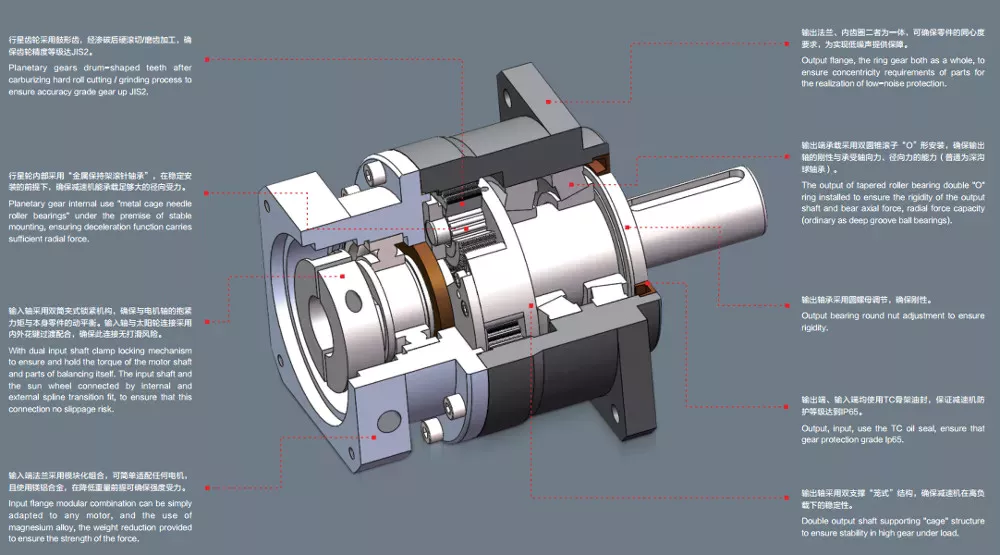
Planetary gearboxes with carrier
A planetary gearbox is a type of gearbox with three or more stages. They have a sun gear, which is usually the input gear, and planet gears, also called the outer gears. The carrier that connects the planet gears to the output shaft is called a ring gear. A planetary gearbox is generally designed to meet specific application and environmental requirements, but there are some factors to consider when choosing one.
The compact footprint of planetary gear sets results in high heat dissipation. This can be a problem in applications with sustained performance or high speeds. As a result, planetary gear sets often include lubricants, which present a cooling effect while also reducing noise and vibration. Some planetary gears even feature a carrier to make the installation process easier. Here are some things to keep in mind when choosing a planetary gear set.
Planetary gearboxes with carrier have several advantages over other types of gearboxes. Unlike conventional gearboxes, planetary gears have a common central shaft, and the tangential forces between the gears cancel out at the center of the ring gear. Because of this, planetary gearboxes are commonly used in input/output applications, and their compact size allows for a wide range of gear reductions. These gears can also produce higher torque density.
Planetary gearboxes with traction
Planetary gears are similar to the planetary system, in that each pinion rotates around a sun gear. The output of the planetary gear unit is lower than the drive rotation speed, but the torque is higher. As the number of planet gear wheels increases, so does the torque. Planetary gear systems contain three to four planet gears, and each is in constant mesh with the others. Power applied to any one member rotates the entire assembly.
Typical applications for planetary gear sets include high-precision motion control. In these applications, high torque, torsional stiffness, and low backlash are required. Planetary gear sets are also ideal for motors with higher speeds. A number of factors contribute to the reliability of these devices. The low backlash and large torque capacity of a planetary gear motor allow them to be used in a wide range of applications.
Planetary gearboxes with electric motors
If you’re in the market for a new gearbox, you may have already heard about planetary gearboxes. The planetary gearbox is a high-efficiency, low-noise gearbox. CZPT manufactures high-torque planetary gearboxes with low backlash. They also make economy planetary gearboxes for lower loads. However, with so many different types available, choosing the right one for your needs can be challenging.
These planetary gearboxes are a compact alternative to conventional pinion-and-gear reducers. They offer high-speed reduction and high torque transfer, and are often used for space-constrained applications. But before you can understand how they work, you’ll need to understand a little about their construction. There are a few things to look for that you may not have noticed before.
The most common type of planetary gearbox is a PM81/LN. It features a set of DC brush motors with diameter 77mm, a stator, and two or more outer gears. Each of these gears is connected to an output shaft through a carrier. They can also be used with brakes, encoders, or a clutch. A planetary gearbox is one of the most reliable gearbox types on the market.
Planetary gearboxes with hydraulic motors
A planetary gearbox is a combination of two gears, the sun and the planets. The sun gear rotates at high speed, while the planets roll around and orbit around the ring gear. The output shaft has the same direction of rotation as the input shaft. The benefits of a planetary gearbox include high reduction ratios, efficiency, space-saving compactness, and higher overload capacity. These gears are also more stable and compact, and they do not suffer from self-locking properties.
Planetary gearboxes are a highly efficient way to power hydraulic lifts. They can be input via electric, hydraulic, or air motors. The drive arrangement can be mounted on a bare shaft, splined shaft, or a parallel keyed input shaft. Depending on the application, bespoke gearboxes can be manufactured with a variety of features and functions.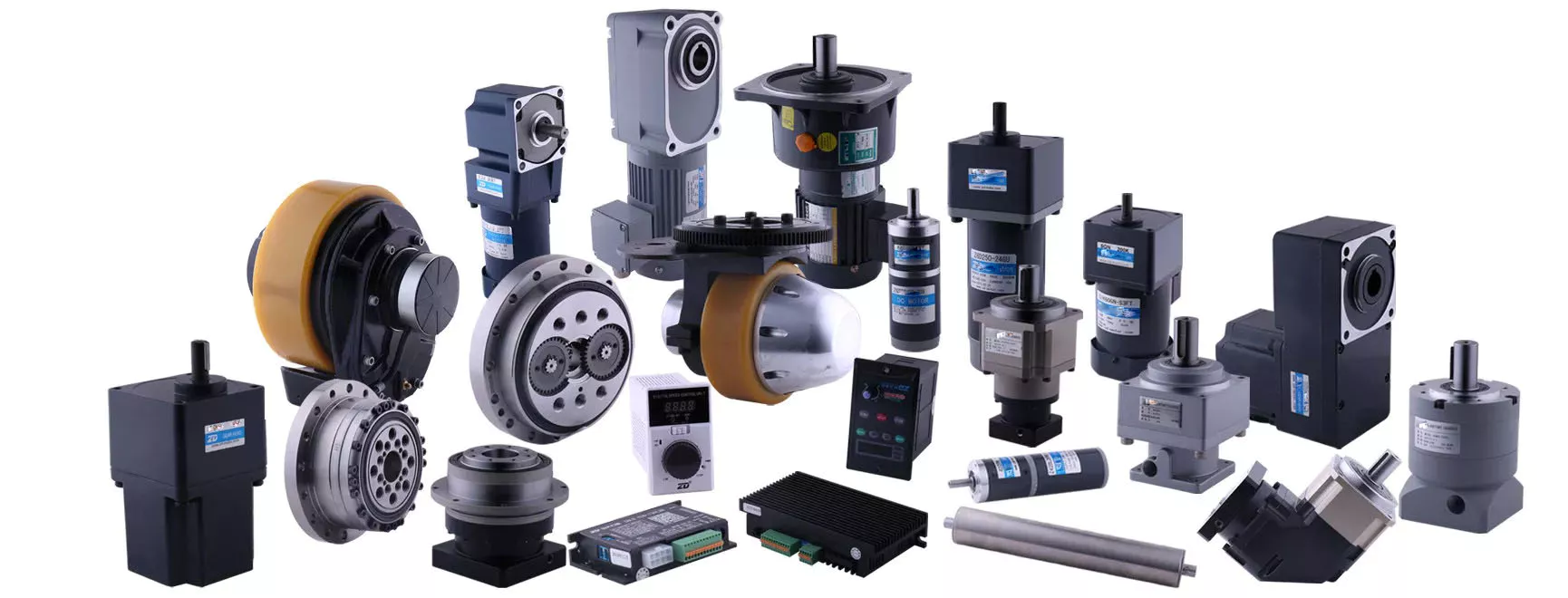
Planetary gearboxes with combustion engines
There are many different applications of planetary gear sets. The most common is the distribution of power between two wheels in a car’s drive axle. Four-wheel drives use two axle differentials, which are further augmented by a centre differential. Hybrid electric vehicles use summation gearboxes to distribute power from the combustion engine to the wheels and to an electric motor. Planetary gear sets also combine the two different types of motors to form one hybrid vehicle.
To understand how planetary gear sets work, it is important to understand the underlying mechanical principles. For example, Fig. 4.6 shows a stick diagram illustrating two planetary gear sets connected by a lever. The two levers are the same length, so the system is analogous to a single lever. When calculating the torque, it is essential to consider the lever diagram. Similarly, if two gear sets are connected by vertical links, the horizontal links must be horizontal.
editor by CX 2023-05-29