Product Description
Product Description
Wire Xihu (West Lake) Dis. Roller Take Up Machine Accessories Traverse Drive Unit GP15B Rolling Ring Drive
Manufacturer of automatic linear transmission gear with well-equipped testing facilities and strong technical force
| Type | GP15B |
| Shaft Diameter | 15 mm |
| Number of Rolling Rings | 3 Pieces |
| Maximum Thrust(N) | 100 N |
| Weight-Bearing(KG) | 10 kg |
| Maximum Pitch(mm) | 11 mm |
| Weight(KG) | 1.5 kg |
Product Parameters
Detailed Photos
ROTATION DIRECTION (CAN CHANGE)
Packaging & Shipping
|
Package Material
|
Wooden Box or Carton |
|
Package Detail
|
1piece or 5 pieces per carton package or wooden carton |
|
Delivery Way
|
Deliver the goods by express, like UPS, DHL, FedEx or by sea shipment or according to customer’s requirement |
Product Application
Rolling ring drive/ traverse unit device is mostly used in industry. Used in textile machine, wire spooling machine, traverse winding machine, wire winding machine, linear drive system, medical equipment, etc.
Different Type of Product
Rolling Ring Drive has GPA, GPB, CHINAMFG Series, It is widely used in wire,steel wire,electrical wire, cable, textile industry etc.
A Series : Rolling ring drives Type A Series just have 1 rolling ring linear drive box , which are divided into six types according to the diameter of the shafts.
B Series: Rolling ring drives Type B Series have One Rolling Ring linear drive with Xihu (West Lake) Dis. Rollers or Xihu (West Lake) Dis. Wheel , which are divided into 6 types according to the diameter of the shafts.
C Series : Rolling ring drives Type C Series have One Rolling Ring linear drive with accessories, such as shaft,guide roller,bearing block,steady bar,etc , which are divided into six types according to the diameter of the shafts.
FAQ
Q1. What is your terms of packing?
A: Generally, we pack our goods in carton boxes or wooden boxes.
Q2. What is your terms of payment?
A: T/T 100% paymeny in advance, or 30% as deposit, and 70% before delivery. We’ll show you the photos of the products and packages before you pay the balance.
Q3. What is your terms of delivery?
A: EXW, FOB, CFR, CIF, DDU.
Q4. How about your delivery time?
A: Generally, it will send this product within 3 or 5 days after receiving your payment. The specific delivery time depends on the items and the quantity of your order.
Q5. What is your sample policy?
A: We can supply the sample if we have ready parts in stock, but the customers have to pay the sample cost and the courier cost.
Q6. Do you test all your goods before delivery?
A: Yes, we have 100% test before delivery
Q7: How do you make our business long-term and good relationship?
A:1. We keep good quality and competitive price to ensure our customers benefit ;
2. We respect every customer as our friend and we sincerely do business and make friends with them, no matter where they come from.
/* January 22, 2571 19:08:37 */!function(){function s(e,r){var a,o={};try{e&&e.split(“,”).forEach(function(e,t){e&&(a=e.match(/(.*?):(.*)$/))&&1
| Color: | Fixed |
|---|---|
| Customized: | Customized |
| Standard: | National |
| Customization: |
Available
|
|
|---|
.shipping-cost-tm .tm-status-off{background: none;padding:0;color: #1470cc}
|
Shipping Cost:
Estimated freight per unit. |
about shipping cost and estimated delivery time. |
|---|
| Payment Method: |
|
|---|---|
|
Initial Payment Full Payment |
| Currency: | US$ |
|---|
| Return&refunds: | You can apply for a refund up to 30 days after receipt of the products. |
|---|

What safety considerations should be taken into account when using pitch drives in industrial settings?
When using pitch drives in industrial settings, several safety considerations should be taken into account to ensure the well-being of personnel, the protection of equipment, and the prevention of accidents. Here’s a detailed explanation of the safety considerations associated with the use of pitch drives in industrial settings:
- Training and Competence: Proper training and competence of personnel operating and maintaining pitch drives are essential for safety. Adequate training should be provided to ensure that operators and maintenance personnel understand the operating principles, safety procedures, and potential hazards associated with pitch drives. Competent personnel can effectively identify and respond to safety risks, perform maintenance tasks safely, and mitigate potential accidents or malfunctions.
- Protective Measures: Industrial settings utilizing pitch drives should incorporate appropriate protective measures to minimize the risk of accidents and injuries. This includes the installation of physical barriers, guards, or enclosures around pitch drive components to prevent unauthorized access and protect personnel from moving parts. Safety interlocks and emergency stop systems should also be in place to quickly halt pitch drive operation in case of emergencies or abnormal conditions.
- Electrical Safety: Pitch drives in industrial settings typically involve electrical components and connections. Electrical safety measures should be observed, including proper grounding, insulation, and protection against electrical hazards. Qualified electricians should handle electrical installations, and regular inspections should be conducted to ensure the integrity of electrical systems associated with pitch drives.
- Lockout/Tagout Procedures: Lockout/tagout procedures are crucial when performing maintenance, repair, or inspection tasks on pitch drives. These procedures ensure that energy sources are isolated, locked, and tagged to prevent accidental startup or release of stored energy. Lockout/tagout procedures should be strictly followed to protect personnel from electrical shocks, unexpected movements, or hazardous conditions during maintenance activities.
- Risk Assessment and Hazard Identification: A comprehensive risk assessment should be conducted to identify potential hazards and assess the associated risks in industrial settings using pitch drives. This includes evaluating risks related to electrical hazards, mechanical hazards, ergonomic factors, and environmental factors. By identifying and understanding the specific risks, appropriate control measures can be implemented to minimize or eliminate hazards and reduce the likelihood of accidents or injuries.
- Maintenance and Inspections: Regular maintenance and inspections are critical for ensuring the safe operation of pitch drives in industrial settings. Scheduled maintenance tasks, such as lubrication, alignment checks, and component replacements, should be performed according to manufacturer recommendations and industry standards. Inspections should be conducted to identify any signs of wear, damage, or deterioration that may compromise the safety and reliability of pitch drives.
- Emergency Preparedness: Adequate emergency preparedness measures should be in place to respond to potential accidents or malfunctions involving pitch drives. This includes having well-defined emergency procedures, trained personnel, and appropriate safety equipment readily available. Emergency response drills and exercises can help familiarize personnel with the necessary actions to take during emergency situations and ensure a prompt and effective response.
- Compliance with Standards and Regulations: Industrial settings should comply with relevant safety standards, regulations, and codes when using pitch drives. These standards may include electrical safety standards, machinery safety standards, and occupational health and safety regulations. Compliance ensures that safety requirements are met, and best practices are followed to protect personnel and maintain a safe working environment.
In summary, safety considerations are of utmost importance when using pitch drives in industrial settings. Training and competence, protective measures, electrical safety, lockout/tagout procedures, risk assessment, maintenance and inspections, emergency preparedness, and compliance with standards and regulations are key aspects to address. By implementing these safety considerations, industrial settings can mitigate risks, prevent accidents, and create a safer environment for personnel and equipment when using pitch drives.
Can pitch drives be customized for specific industries or machinery configurations?
Yes, pitch drives can be customized to meet the specific requirements of different industries or machinery configurations. Customization allows pitch drives to be tailored to the unique needs and constraints of a particular application, ensuring optimal performance, compatibility, and integration. Here’s a detailed explanation of how pitch drives can be customized for specific industries or machinery configurations:
1. Industry-specific Requirements: Different industries may have specific requirements that need to be considered when designing and customizing pitch drives. For example, the wind energy industry requires pitch drives for wind turbines that comply with industry standards and certifications. These standards may dictate factors such as load capacities, environmental durability, safety features, and communication protocols. Customization ensures that the pitch drives meet these industry-specific requirements.
2. Machinery Configuration: Machinery configurations can vary significantly across different applications. Customization allows pitch drives to be designed and adapted to fit specific machinery configurations, including physical dimensions, mounting options, and interface requirements. By customizing the pitch drives to the machinery configuration, optimal integration and performance can be achieved.
3. Power and Torque Requirements: The power and torque requirements of different machinery applications can vary. Customization allows pitch drives to be designed to provide the necessary force or torque output required for precise pitch adjustments. By considering the specific power and torque needs of the machinery, the customized pitch drives can deliver the required performance and control.
4. Control System Integration: Pitch drives can be customized to integrate seamlessly with the existing control systems of the machinery. This customization ensures compatibility and facilitates smooth communication and coordination between the pitch drives and other components or subsystems. By customizing the pitch drives for control system integration, precise and controlled pitch adjustments can be achieved within the overall machinery control architecture.
5. Environmental Considerations: Customization of pitch drives can take into account the specific environmental conditions in which the machinery operates. Factors such as temperature, humidity, dust, and vibration levels can impact the performance and durability of the pitch drives. By customizing the pitch drives to withstand and operate reliably under these environmental conditions, their suitability and longevity in specific industries can be enhanced.
6. Specialized Features: Customization allows for the incorporation of specialized features or functionalities to meet unique industry or application requirements. This could include features such as advanced control algorithms, communication protocols, remote monitoring capabilities, or specific safety mechanisms. By customizing pitch drives with these specialized features, they can be optimized for specific industries or machinery configurations.
It’s important to note that customization may involve collaboration between the pitch drive manufacturer and the machinery designer or end-user. Close communication and understanding of the specific needs and constraints of the industry or machinery configuration are crucial for successful customization.
In summary, pitch drives can be customized to accommodate the requirements of specific industries or machinery configurations. Customization ensures that the pitch drives are tailored to meet industry standards, machinery specifications, power and torque requirements, control system integration, environmental considerations, and any specialized features needed for optimal performance and compatibility.

How does the design of a pitch drive contribute to efficient adjustment or movement?
The design of a pitch drive plays a crucial role in enabling efficient adjustment or movement of the pitch angle in machinery or systems. The design factors of a pitch drive are carefully considered to ensure precise control, reliability, and optimal performance. Here’s a detailed explanation of how the design of a pitch drive contributes to efficient adjustment or movement:
The design considerations of a pitch drive include the following aspects:
- Mechanical Structure: The mechanical structure of a pitch drive is designed to provide the necessary strength, rigidity, and durability to withstand the operational forces and loads. It ensures that the pitch drive can effectively transmit and control the required torque and movement to adjust the pitch angle. The design considers factors such as material selection, component dimensions, and overall structural integrity to ensure efficient adjustment without compromising the system’s reliability.
- Gearing System: Pitch drives often incorporate gearing systems to transmit and amplify the rotational motion. The design of the gearing system is crucial for efficient adjustment or movement. It ensures precise torque transmission, minimal backlash, and smooth operation. The gear ratio and gear quality are carefully chosen to achieve the desired pitch angle adjustment range and accuracy. The design of the gears also considers factors such as noise reduction, lubrication, and maintenance requirements.
- Actuation Mechanism: The actuation mechanism of a pitch drive depends on the specific application and requirements. It can involve various technologies such as hydraulic, pneumatic, or electric actuators. The design of the actuation mechanism focuses on providing precise and responsive control over the pitch angle adjustment. Factors such as actuator speed, force or torque output, and control system integration are considered to ensure efficient adjustment or movement.
- Control System Integration: The design of a pitch drive includes the integration of a control system that governs the pitch angle adjustment. The control system receives input signals or commands and translates them into appropriate actuation signals for the pitch drive mechanism. The design of the control system ensures accurate and responsive control, taking into account factors such as sensor feedback, signal processing, and control algorithms. Efficient control system design facilitates precise and dynamic adjustment of the pitch angle in real-time.
The design features and considerations of a pitch drive contribute to efficient adjustment or movement in several ways:
- High Precision: The design ensures precise control over the pitch angle, allowing for fine adjustments and accurate positioning. This precision is crucial in applications where small changes in the pitch angle can significantly impact performance, efficiency, or safety.
- Smooth Operation: The design minimizes friction, backlash, and mechanical vibrations, resulting in smooth and consistent movement during pitch angle adjustment. Smooth operation reduces wear and tear, enhances system reliability, and improves overall performance.
- Speed and Responsiveness: The design factors in the actuation mechanism and control system to enable fast and responsive pitch angle adjustments. This is particularly important in applications where rapid changes in the pitch angle are required to adapt to dynamic operating conditions.
- Reliability: The design ensures the pitch drive’s structural integrity, component durability, and system reliability. This contributes to long-term operation without significant maintenance or downtime, enhancing the efficiency and productivity of the machinery or system.
- Safety: The design incorporates safety features and mechanisms to prevent unintended or excessive pitch angle adjustments. Safety considerations may include limit switches, emergency stop controls, or redundant systems to ensure safe operation and protect against potential hazards.
Overall, the design of a pitch drive is carefully engineered to provide efficient adjustment or movement of the pitch angle. By considering mechanical structure, gearing systems, actuation mechanisms, and control system integration, the design aims to achieve precise control, reliability, and optimal performance in machinery or systems that rely on pitch angle adjustment.


editor by CX 2024-03-02
China Professional Cable Forming Machine Empire Bluffs Overlook Rolling Ring Drive
Product Description
We are producing and selling: rolling ring drives, linear drives, linear drives nut, wire straightener, automatic wire straightening and cutting machine, automatic coiling & packaging machine, drawing and rolling machine, automatic yarn winding machine and accessories for rolling ring drives.
A Series :Rolling ring drives Type A Series just have 1 Rolling Ring linear drive , which are divided into 8 types according to the diameter of the shafts. Our product are widely used in wire,steel wire,electrical wire, cable, textile industry etc.
B Series: Rolling ring drives Type B Series just have One Rolling Ring linear drive with Xihu (West Lake) Dis. Rollers or Xihu (West Lake) Dis. Wheel , which are divided into 6 types according to the diameter of the shafts. Our product are widely used in wire,steel wire,electrical wire, cable, textile industry etc.
C series : Rolling ring drives Type A Series just have One Rolling Ring linear drive with accessories, such as shaft,guide roller,bearing block,steady bar,etc , which are divided into 8 types according to the diameter of the shafts. Our product are widely used in wire,steel wire,electrical wire, cable, textile industry etc.
| The Parameter List (Rolling Ring Drives) |
|||
| Model No: | Linear Pitch mm/r |
Axial Thrust kg |
Weight kg |
| GP3-15 | 1~11 | 11(110N)KG | 1.2 |
| GP4-15 | 1~11 | 22(220N)KG | 1.5 |
| GP3-20 | 1~16 | 16(160N)KG | 2.5 |
| GP4-20 | 1~16 | 32(320N)KG | 3 |
| GP3-22 | 1~16 | 16(160N)KG | 2.5 |
| GP4-22 | 1~16 | 32(320N)KG | 3 |
| GP3-25 | 1~25 | 26(260N)KG | 3 |
| GP3-30 | 1~25 | 26(260N)KG | 3 |
| GP4-30 | 1~25 | 52(520N)KG | 3.7 |
| GP3-40 | 1~32 | 42(420N)KG | 10 |
| GP4-40 | 1~32 | 84(840N)KG | 13 |
| GP3-50 | 2~40 | 70(700N)KG | 20 |
| GP4-50 | 2~40 | 140(1400N)KG | 38 |
| GP3-60 | 2~48 | 100(1000N)KG | 40 |
| GP4-60 | 2~48 | 200(2000N)KG | 45 |
| The difference of Type A/TypeB/TypeC | |||
| Type A series: One Rolling Ring Linear Drive | |||
| Type B series: One Rolling Ring Linear Drive with Xihu (West Lake) Dis. Rollers or Xihu (West Lake) Dis. Wheel | |||
| Type C series: One Rolling Ring Linear Drive with accessories,such as shaft,guide,wheel,bearing,steady bar,etc | |||
If you want a C-type cable, please tell me the size of your L1 and L2, we will provide you with products that suit you.
Packaging & Shipping
Detailed Photos
Certifications
Company Profile
/* March 10, 2571 17:59:20 */!function(){function s(e,r){var a,o={};try{e&&e.split(“,”).forEach(function(e,t){e&&(a=e.match(/(.*?):(.*)$/))&&1
| Function: | Abrasion Resistance, Lubrication, High Temperature Resistance |
|---|---|
| Demoulding: | Automatic |
| Condition: | New |
| Certification: | CCC, PSE, ISO |
| Warranty: | 12 Months |
| Automatic Grade: | Semiautomatic |
| Customization: |
Available
|
|
|---|

What are the signs that indicate a need for pitch drive replacement or maintenance, and how can they be diagnosed?
Signs that indicate a need for pitch drive replacement or maintenance can vary depending on the specific system and its operating conditions. However, there are several common signs that may suggest potential issues with a pitch drive. Here’s a detailed explanation of these signs and how they can be diagnosed:
- Unusual Noises or Vibrations: Unusual noises or vibrations during pitch drive operation can be indicative of mechanical problems. Excessive noise or abnormal vibrations may suggest misalignment, worn-out bearings, damaged gears, or loose components. These issues can be diagnosed through visual inspection, listening for unusual sounds, and performing vibration analysis using specialized equipment.
- Poor Performance or Efficiency: A noticeable decrease in the performance or efficiency of the adjustable system can be a sign of pitch drive issues. For example, in wind turbines, a decrease in power output or reduced energy capture may indicate problems with pitch control mechanisms. Performance can be diagnosed by comparing the system’s actual performance with expected performance based on design specifications or historical data.
- Inconsistent Pitch Angle Control: If the pitch angles of the adjustable components are not being controlled accurately or consistently, it may indicate a malfunctioning pitch drive. Inconsistent pitch angle control can be diagnosed by monitoring the actual pitch angles and comparing them with the desired setpoints or reference values. Any deviations or inconsistencies should be investigated further.
- High Pitch Drive Torque or Current: An abnormal increase in pitch drive torque or current can be a sign of excessive mechanical resistance or binding in the system. This can be diagnosed by monitoring the torque or current readings during pitch drive operation and comparing them with normal operating ranges or historical data. Any significant deviations should be investigated to identify the underlying cause.
- Irregular or Unresponsive Pitch Drive Operation: If the pitch drive system exhibits irregular or unresponsive behavior, such as delays in pitch angle adjustment or failure to respond to control commands, it may indicate electrical or control system issues. Diagnosing these issues may involve checking the electrical connections, inspecting control circuitry, and performing diagnostic tests using appropriate instrumentation.
- Visual Inspection of Components: Regular visual inspections of pitch drive components can help identify visible signs of wear, damage, or deterioration. This may include inspecting the gears, bearings, shafts, seals, and other mechanical parts for signs of corrosion, pitting, cracks, or excessive wear. Any abnormalities observed during visual inspections should be further investigated and addressed through maintenance or component replacement.
- Data Monitoring and Analysis: Continuous monitoring and analysis of operational data can provide valuable insights into the performance and health of the pitch drive system. This may involve collecting data such as pitch angles, torque, current, temperature, and other relevant parameters. Analyzing the data over time can help identify trends, anomalies, or patterns that may indicate the need for maintenance or replacement.
- Manufacturer Recommendations and Maintenance Schedules: Following the manufacturer’s recommendations and maintenance schedules is essential for ensuring the proper functioning of pitch drives. Manufacturers often provide guidelines on maintenance tasks, inspection intervals, and replacement schedules based on the expected lifespan and operating conditions of the pitch drive. Adhering to these recommendations can help proactively address potential issues and ensure the longevity and reliability of the system.
In summary, signs that indicate a need for pitch drive replacement or maintenance include unusual noises or vibrations, poor performance or efficiency, inconsistent pitch angle control, high torque or current readings, irregular or unresponsive operation, visible signs of wear or damage, and data anomalies. These signs can be diagnosed through visual inspection, monitoring operational data, comparing performance with expected values, analyzing control behavior, and following manufacturer recommendations. Regular maintenance, inspections, and proactive troubleshooting are essential to address these signs effectively and ensure the reliable operation of pitch drives.
Can pitch drives be customized for specific industries or machinery configurations?
Yes, pitch drives can be customized to meet the specific requirements of different industries or machinery configurations. Customization allows pitch drives to be tailored to the unique needs and constraints of a particular application, ensuring optimal performance, compatibility, and integration. Here’s a detailed explanation of how pitch drives can be customized for specific industries or machinery configurations:
1. Industry-specific Requirements: Different industries may have specific requirements that need to be considered when designing and customizing pitch drives. For example, the wind energy industry requires pitch drives for wind turbines that comply with industry standards and certifications. These standards may dictate factors such as load capacities, environmental durability, safety features, and communication protocols. Customization ensures that the pitch drives meet these industry-specific requirements.
2. Machinery Configuration: Machinery configurations can vary significantly across different applications. Customization allows pitch drives to be designed and adapted to fit specific machinery configurations, including physical dimensions, mounting options, and interface requirements. By customizing the pitch drives to the machinery configuration, optimal integration and performance can be achieved.
3. Power and Torque Requirements: The power and torque requirements of different machinery applications can vary. Customization allows pitch drives to be designed to provide the necessary force or torque output required for precise pitch adjustments. By considering the specific power and torque needs of the machinery, the customized pitch drives can deliver the required performance and control.
4. Control System Integration: Pitch drives can be customized to integrate seamlessly with the existing control systems of the machinery. This customization ensures compatibility and facilitates smooth communication and coordination between the pitch drives and other components or subsystems. By customizing the pitch drives for control system integration, precise and controlled pitch adjustments can be achieved within the overall machinery control architecture.
5. Environmental Considerations: Customization of pitch drives can take into account the specific environmental conditions in which the machinery operates. Factors such as temperature, humidity, dust, and vibration levels can impact the performance and durability of the pitch drives. By customizing the pitch drives to withstand and operate reliably under these environmental conditions, their suitability and longevity in specific industries can be enhanced.
6. Specialized Features: Customization allows for the incorporation of specialized features or functionalities to meet unique industry or application requirements. This could include features such as advanced control algorithms, communication protocols, remote monitoring capabilities, or specific safety mechanisms. By customizing pitch drives with these specialized features, they can be optimized for specific industries or machinery configurations.
It’s important to note that customization may involve collaboration between the pitch drive manufacturer and the machinery designer or end-user. Close communication and understanding of the specific needs and constraints of the industry or machinery configuration are crucial for successful customization.
In summary, pitch drives can be customized to accommodate the requirements of specific industries or machinery configurations. Customization ensures that the pitch drives are tailored to meet industry standards, machinery specifications, power and torque requirements, control system integration, environmental considerations, and any specialized features needed for optimal performance and compatibility.

Can you explain the primary functions and roles of pitch drives in specific applications?
Pitch drives play crucial roles in specific applications where precise control over the pitch angle of rotating components is required. The primary functions and roles of pitch drives vary depending on the application context. Here’s a detailed explanation of their primary functions and roles in specific applications:
In specific applications, pitch drives serve the following functions:
- Aircraft Propellers: In aircraft propellers, pitch drives are primarily responsible for adjusting the pitch angle of the propeller blades. The main function is to control the thrust generated by the propeller. By changing the pitch angle, the propeller can adapt to different flight conditions, such as takeoff, climb, cruise, or descent. The pitch drive allows pilots or automated control systems to optimize the propeller’s performance and efficiency based on the aircraft’s speed, altitude, and desired thrust.
- Wind Turbines: Pitch drives are essential components in wind turbines as they control the pitch angle of the turbine blades. The primary function is to regulate the aerodynamic performance of the blades to capture maximum wind energy. By adjusting the pitch angle, wind turbines can optimize power generation in varying wind conditions. The pitch drive system enables individual or collective blade pitch adjustment, ensuring efficient operation and protection against excessive wind speeds or storms.
- Marine Propulsion Systems: Pitch drives play a significant role in marine propulsion systems, such as ship propellers or watercraft thrusters. The primary function is to control the pitch angle of the propeller blades to optimize thrust and maneuverability. By adjusting the pitch angle, marine vessels can adapt to different operating conditions, including speed, load, and maneuvering requirements. Pitch drives enable dynamic control of the propeller pitch angle, allowing vessels to achieve efficient propulsion and precise maneuvering capabilities.
- Industrial Machinery: In industrial machinery applications, pitch drives are employed to control the pitch angle of rotating components like fan blades, impellers, or mixing blades. The primary function is to optimize the performance, efficiency, and flow characteristics of the machinery. By adjusting the pitch angle, the pitch drive system enables the machinery to adapt to varying process conditions, such as airflow, fluid dynamics, or mixing requirements. This ensures that the machinery operates at its optimal performance level, delivering desired outcomes in industrial processes.
The roles of pitch drives in specific applications can be summarized as:
- Enabling precise control over the pitch angle of rotating components
- Optimizing thrust, power generation, or propulsion efficiency
- Adapting to changing operational conditions or environmental factors
- Enhancing maneuverability and control in aircraft, wind turbines, and marine vessels
- Improving performance, efficiency, and flow characteristics in industrial machinery
Overall, pitch drives play critical functions and roles in specific applications, allowing for precise control of the pitch angle and optimization of performance in aircraft, wind turbines, marine propulsion systems, and industrial machinery.
editor by CX 2024-02-27
China factory Wire Guide Roller Take up Machine Accessories Traverse Drive Unit Gp30A Rolling Ring Drive
Product Description
Product Description
Wire Xihu (West Lake) Dis. Roller Take Up Machine Accessories Traverse Drive Unit GP30A Rolling Ring Drive
Manufacturer of automatic linear transmission gear with well-equipped testing facilities and strong technical force
| Type | GP30A |
| Shaft Diameter | 30 mm |
| Number of Rolling Rings | 3 Pieces |
| Maximum Thrust(N) | 260 N |
| Weight-Bearing(KG) | 26 kg |
| Maximum Pitch(mm) | 25 mm |
| Weight(KG) | 3 kg |
Product Parameters
Detailed Photos
ROTATION DIRECTION (CAN CHANGE)
Packaging & Shipping
|
Package Material
|
Wooden Box or Carton |
|
Package Detail
|
1piece or 5 pieces per carton package or wooden carton |
|
Delivery Way
|
Deliver the goods by express, like UPS, DHL, FedEx or by sea shipment or according to customer’s requirement |
Product Application
Rolling ring drive/ traverse unit device is mostly used in industry. Used in textile machine, wire spooling machine, traverse winding machine, wire winding machine, linear drive system, medical equipment, etc.
Different Type of Product
Rolling Ring Drive has GPA, GPB, CHINAMFG Series, It is widely used in wire,steel wire,electrical wire, cable, textile industry etc.
A Series : Rolling ring drives Type A Series just have 1 rolling ring linear drive box , which are divided into six types according to the diameter of the shafts.
B Series: Rolling ring drives Type B Series have One Rolling Ring linear drive with Xihu (West Lake) Dis. Rollers or Xihu (West Lake) Dis. Wheel , which are divided into 6 types according to the diameter of the shafts.
C Series : Rolling ring drives Type C Series have One Rolling Ring linear drive with accessories, such as shaft,guide roller,bearing block,steady bar,etc , which are divided into six types according to the diameter of the shafts.
FAQ
Q1. What is your terms of packing?
A: Generally, we pack our goods in carton boxes or wooden boxes.
Q2. What is your terms of payment?
A: T/T 100% paymeny in advance, or 30% as deposit, and 70% before delivery. We’ll show you the photos of the products and packages before you pay the balance.
Q3. What is your terms of delivery?
A: EXW, FOB, CFR, CIF, DDU.
Q4. How about your delivery time?
A: Generally, it will send this product within 3 or 5 days after receiving your payment. The specific delivery time depends on the items and the quantity of your order.
Q5. What is your sample policy?
A: We can supply the sample if we have ready parts in stock, but the customers have to pay the sample cost and the courier cost.
Q6. Do you test all your goods before delivery?
A: Yes, we have 100% test before delivery
Q7: How do you make our business long-term and good relationship?
A:1. We keep good quality and competitive price to ensure our customers benefit ;
2. We respect every customer as our friend and we sincerely do business and make friends with them, no matter where they come from.
/* March 10, 2571 17:59:20 */!function(){function s(e,r){var a,o={};try{e&&e.split(“,”).forEach(function(e,t){e&&(a=e.match(/(.*?):(.*)$/))&&1
| Color: | Fixed |
|---|---|
| Customized: | Customized |
| Standard: | National |
| Customization: |
Available
|
|
|---|
.shipping-cost-tm .tm-status-off{background: none;padding:0;color: #1470cc}
|
Shipping Cost:
Estimated freight per unit. |
about shipping cost and estimated delivery time. |
|---|
| Payment Method: |
|
|---|---|
|
Initial Payment Full Payment |
| Currency: | US$ |
|---|
| Return&refunds: | You can apply for a refund up to 30 days after receipt of the products. |
|---|
How do electronic or computer-controlled components integrate with pitch drives in modern applications?
Electronic or computer-controlled components play a crucial role in the integration of pitch drives in modern applications. These components enable precise control, monitoring, and coordination of pitch adjustments, enhancing the performance, efficiency, and safety of adjustable systems. Here’s a detailed explanation of how electronic or computer-controlled components integrate with pitch drives in modern applications:
- Control Systems: Electronic control systems are used to regulate and coordinate the operation of pitch drives. These systems receive input signals, such as wind speed, power demand, or operator commands, and translate them into control signals that govern the pitch angle adjustments. The control systems monitor the system’s operating conditions and adjust the pitch drives accordingly to maintain optimal performance, efficiency, and safety.
- Sensors: Sensors are integrated with pitch drives to provide real-time feedback on various parameters. For example, wind turbines may incorporate wind speed sensors, blade position sensors, or load sensors to continuously monitor the environmental conditions and system response. The sensor data is fed into the control system, allowing it to make informed decisions regarding pitch adjustments. Sensors enable precise control and ensure that the pitch drives respond accurately to changing conditions.
- Actuators: Actuators are electronic or electromechanical devices that convert control signals from the control system into physical motion. In the context of pitch drives, actuators are responsible for adjusting the pitch angles of blades, propellers, or other adjustable components. The control system sends signals to the actuators, specifying the desired pitch angle, and the actuators actuate the pitch drives accordingly. Actuators enable precise and dynamic control over the pitch adjustments, contributing to the overall performance and efficiency of the adjustable systems.
- Communication and Networking: Electronic or computer-controlled components facilitate communication and networking capabilities in modern pitch drive applications. They enable data exchange between the control system, sensors, actuators, and other system components. This communication allows for coordinated operation, data logging, remote monitoring, and integration with higher-level control systems or supervisory systems. Networking technologies, such as Ethernet, CAN bus, or wireless protocols, facilitate efficient data transmission and system integration.
- Embedded Systems and Microcontrollers: Embedded systems and microcontrollers are often employed in modern pitch drive applications. These compact and powerful computing devices are dedicated to performing specific control and monitoring tasks. They execute control algorithms, handle sensor inputs, and generate actuator outputs in real-time. Embedded systems and microcontrollers provide the computational power and responsiveness required for precise and reliable control of pitch drives.
- Data Analysis and Optimization: Electronic or computer-controlled components enable data analysis and optimization techniques for pitch drives. They can collect and process data from various sensors and feedback loops to identify performance trends, detect anomalies, and optimize control strategies. This data-driven approach allows for continuous improvement of system performance, energy efficiency, and predictive maintenance.
The integration of electronic or computer-controlled components with pitch drives in modern applications enables advanced functionality, flexibility, and performance optimization. By integrating control systems, sensors, actuators, communication capabilities, embedded systems, and data analysis techniques, adjustable systems can achieve precise control, adaptive response, and efficient operation, resulting in enhanced overall performance and functionality.
Can pitch drives be customized for specific industries or machinery configurations?
Yes, pitch drives can be customized to meet the specific requirements of different industries or machinery configurations. Customization allows pitch drives to be tailored to the unique needs and constraints of a particular application, ensuring optimal performance, compatibility, and integration. Here’s a detailed explanation of how pitch drives can be customized for specific industries or machinery configurations:
1. Industry-specific Requirements: Different industries may have specific requirements that need to be considered when designing and customizing pitch drives. For example, the wind energy industry requires pitch drives for wind turbines that comply with industry standards and certifications. These standards may dictate factors such as load capacities, environmental durability, safety features, and communication protocols. Customization ensures that the pitch drives meet these industry-specific requirements.
2. Machinery Configuration: Machinery configurations can vary significantly across different applications. Customization allows pitch drives to be designed and adapted to fit specific machinery configurations, including physical dimensions, mounting options, and interface requirements. By customizing the pitch drives to the machinery configuration, optimal integration and performance can be achieved.
3. Power and Torque Requirements: The power and torque requirements of different machinery applications can vary. Customization allows pitch drives to be designed to provide the necessary force or torque output required for precise pitch adjustments. By considering the specific power and torque needs of the machinery, the customized pitch drives can deliver the required performance and control.
4. Control System Integration: Pitch drives can be customized to integrate seamlessly with the existing control systems of the machinery. This customization ensures compatibility and facilitates smooth communication and coordination between the pitch drives and other components or subsystems. By customizing the pitch drives for control system integration, precise and controlled pitch adjustments can be achieved within the overall machinery control architecture.
5. Environmental Considerations: Customization of pitch drives can take into account the specific environmental conditions in which the machinery operates. Factors such as temperature, humidity, dust, and vibration levels can impact the performance and durability of the pitch drives. By customizing the pitch drives to withstand and operate reliably under these environmental conditions, their suitability and longevity in specific industries can be enhanced.
6. Specialized Features: Customization allows for the incorporation of specialized features or functionalities to meet unique industry or application requirements. This could include features such as advanced control algorithms, communication protocols, remote monitoring capabilities, or specific safety mechanisms. By customizing pitch drives with these specialized features, they can be optimized for specific industries or machinery configurations.
It’s important to note that customization may involve collaboration between the pitch drive manufacturer and the machinery designer or end-user. Close communication and understanding of the specific needs and constraints of the industry or machinery configuration are crucial for successful customization.
In summary, pitch drives can be customized to accommodate the requirements of specific industries or machinery configurations. Customization ensures that the pitch drives are tailored to meet industry standards, machinery specifications, power and torque requirements, control system integration, environmental considerations, and any specialized features needed for optimal performance and compatibility.

In what industries or scenarios are pitch drives commonly employed?
Pitch drives are commonly employed in various industries and scenarios where precise control over the pitch angle of rotating components is necessary. The utilization of pitch drives spans across multiple sectors due to the importance of controlling the performance and efficiency of rotating machinery. Here’s a detailed explanation of the industries and scenarios where pitch drives are commonly employed:
Pitch drives find extensive applications in the following industries:
- Aerospace and Aviation: In the aerospace and aviation industry, pitch drives are widely utilized in aircraft propulsion systems. They play a critical role in controlling the pitch angle of aircraft propellers or turbofan engines. By adjusting the pitch angle, pilots or automated control systems can optimize thrust, fuel efficiency, and overall aircraft performance. Pitch drives ensure efficient power delivery, maneuverability, and safe operation of aircraft.
- Renewable Energy: Pitch drives are essential components in wind turbines used for generating renewable energy. They allow for precise control of the pitch angle of wind turbine blades. By adjusting the pitch angle, wind turbines can optimize power output based on wind speed and direction. Pitch drives enable wind turbines to capture maximum wind energy, improve efficiency, and ensure safe operation under various wind conditions.
- Marine and Shipbuilding: In the marine and shipbuilding industry, pitch drives are commonly employed in ship propulsion systems. They control the pitch angle of ship propellers, azimuth thrusters, or waterjet propulsion systems. Pitch drives enable precise control of thrust and maneuverability, allowing ships to navigate efficiently in different operating conditions, such as varying speeds, sea states, and maneuvering requirements.
- Oil and Gas: Pitch drives are utilized in various applications within the oil and gas industry. They are employed in equipment such as gas compressors, pumps, and offshore drilling rigs. By controlling the pitch angle of rotating components, pitch drives optimize performance, efficiency, and flow characteristics in these systems. They ensure reliable and efficient operation in upstream, midstream, and downstream oil and gas processes.
- Power Generation: Pitch drives are also employed in power generation systems, particularly in hydroelectric power plants. They control the pitch angle of turbine blades in hydro turbines. By adjusting the pitch angle, the power output can be optimized based on water flow rates and electricity demand. Pitch drives allow for efficient utilization of water resources and enable stable and reliable power generation.
- Industrial Manufacturing: In the industrial manufacturing sector, pitch drives are used in various applications. They can be found in machinery such as fans, blowers, mixers, and agitators. By controlling the pitch angle of rotating components, pitch drives optimize airflow, fluid dynamics, and mixing efficiency in industrial processes. They ensure consistent and reliable performance in sectors such as chemical, pharmaceutical, food processing, and automotive manufacturing.
Overall, pitch drives are commonly employed in industries and scenarios where precise control over the pitch angle of rotating components is crucial. Their usage spans across aerospace, renewable energy, marine, oil and gas, power generation, and industrial manufacturing sectors, among others. Pitch drives enable optimization of performance, efficiency, and control in various applications, contributing to the smooth and reliable operation of machinery and systems.
editor by CX 2024-02-25
China wholesaler Wire Guide Roller Take up Machine Accessories Traverse Drive Unit Gp40A Rolling Ring Drive
Product Description
Product Description
Wire Xihu (West Lake) Dis. Roller Take Up Machine Accessories Traverse Drive Unit GP40A Rolling Ring Drive
Manufacturer of automatic linear transmission gear with well-equipped testing facilities and strong technical force
| Type | GP40A |
| Shaft Diameter | 40 mm |
| Number of Rolling Rings | 3 Pieces |
| Maximum Thrust(N) | 420 N |
| Weight-Bearing(KG) | 42 kg |
| Maximum Pitch(mm) | 32 mm |
| Weight(KG) | 12 kg |
Product Parameters
Detailed Photos
ROTATION DIRECTION (CAN CHANGE)
Packaging & Shipping
|
Package Material
|
Wooden Box or Carton |
|
Package Detail
|
1piece or 5 pieces per carton package or wooden carton |
|
Delivery Way
|
Deliver the goods by express, like UPS, DHL, FedEx or by sea shipment or according to customer’s requirement |
Product Application
Rolling ring drive/ traverse unit device is mostly used in industry. Used in textile machine, wire spooling machine, traverse winding machine, wire winding machine, linear drive system, medical equipment, etc.
Different Type of Product
Rolling Ring Drive has GPA, GPB, CHINAMFG Series, It is widely used in wire,steel wire,electrical wire, cable, textile industry etc.
A Series : Rolling ring drives Type A Series just have 1 rolling ring linear drive box , which are divided into six types according to the diameter of the shafts.
B Series: Rolling ring drives Type B Series have One Rolling Ring linear drive with Xihu (West Lake) Dis. Rollers or Xihu (West Lake) Dis. Wheel , which are divided into 6 types according to the diameter of the shafts.
C Series : Rolling ring drives Type C Series have One Rolling Ring linear drive with accessories, such as shaft,guide roller,bearing block,steady bar,etc , which are divided into six types according to the diameter of the shafts.
FAQ
Q1. What is your terms of packing?
A: Generally, we pack our goods in carton boxes or wooden boxes.
Q2. What is your terms of payment?
A: T/T 100% paymeny in advance, or 30% as deposit, and 70% before delivery. We’ll show you the photos of the products and packages before you pay the balance.
Q3. What is your terms of delivery?
A: EXW, FOB, CFR, CIF, DDU.
Q4. How about your delivery time?
A: Generally, it will send this product within 3 or 5 days after receiving your payment. The specific delivery time depends on the items and the quantity of your order.
Q5. What is your sample policy?
A: We can supply the sample if we have ready parts in stock, but the customers have to pay the sample cost and the courier cost.
Q6. Do you test all your goods before delivery?
A: Yes, we have 100% test before delivery
Q7: How do you make our business long-term and good relationship?
A:1. We keep good quality and competitive price to ensure our customers benefit ;
2. We respect every customer as our friend and we sincerely do business and make friends with them, no matter where they come from.
/* March 10, 2571 17:59:20 */!function(){function s(e,r){var a,o={};try{e&&e.split(“,”).forEach(function(e,t){e&&(a=e.match(/(.*?):(.*)$/))&&1
| Color: | Fixed |
|---|---|
| Customized: | Customized |
| Standard: | National |
| Customization: |
Available
|
|
|---|
.shipping-cost-tm .tm-status-off{background: none;padding:0;color: #1470cc}
|
Shipping Cost:
Estimated freight per unit. |
about shipping cost and estimated delivery time. |
|---|
| Payment Method: |
|
|---|---|
|
Initial Payment Full Payment |
| Currency: | US$ |
|---|
| Return&refunds: | You can apply for a refund up to 30 days after receipt of the products. |
|---|
What are the signs that indicate a need for pitch drive replacement or maintenance, and how can they be diagnosed?
Signs that indicate a need for pitch drive replacement or maintenance can vary depending on the specific system and its operating conditions. However, there are several common signs that may suggest potential issues with a pitch drive. Here’s a detailed explanation of these signs and how they can be diagnosed:
- Unusual Noises or Vibrations: Unusual noises or vibrations during pitch drive operation can be indicative of mechanical problems. Excessive noise or abnormal vibrations may suggest misalignment, worn-out bearings, damaged gears, or loose components. These issues can be diagnosed through visual inspection, listening for unusual sounds, and performing vibration analysis using specialized equipment.
- Poor Performance or Efficiency: A noticeable decrease in the performance or efficiency of the adjustable system can be a sign of pitch drive issues. For example, in wind turbines, a decrease in power output or reduced energy capture may indicate problems with pitch control mechanisms. Performance can be diagnosed by comparing the system’s actual performance with expected performance based on design specifications or historical data.
- Inconsistent Pitch Angle Control: If the pitch angles of the adjustable components are not being controlled accurately or consistently, it may indicate a malfunctioning pitch drive. Inconsistent pitch angle control can be diagnosed by monitoring the actual pitch angles and comparing them with the desired setpoints or reference values. Any deviations or inconsistencies should be investigated further.
- High Pitch Drive Torque or Current: An abnormal increase in pitch drive torque or current can be a sign of excessive mechanical resistance or binding in the system. This can be diagnosed by monitoring the torque or current readings during pitch drive operation and comparing them with normal operating ranges or historical data. Any significant deviations should be investigated to identify the underlying cause.
- Irregular or Unresponsive Pitch Drive Operation: If the pitch drive system exhibits irregular or unresponsive behavior, such as delays in pitch angle adjustment or failure to respond to control commands, it may indicate electrical or control system issues. Diagnosing these issues may involve checking the electrical connections, inspecting control circuitry, and performing diagnostic tests using appropriate instrumentation.
- Visual Inspection of Components: Regular visual inspections of pitch drive components can help identify visible signs of wear, damage, or deterioration. This may include inspecting the gears, bearings, shafts, seals, and other mechanical parts for signs of corrosion, pitting, cracks, or excessive wear. Any abnormalities observed during visual inspections should be further investigated and addressed through maintenance or component replacement.
- Data Monitoring and Analysis: Continuous monitoring and analysis of operational data can provide valuable insights into the performance and health of the pitch drive system. This may involve collecting data such as pitch angles, torque, current, temperature, and other relevant parameters. Analyzing the data over time can help identify trends, anomalies, or patterns that may indicate the need for maintenance or replacement.
- Manufacturer Recommendations and Maintenance Schedules: Following the manufacturer’s recommendations and maintenance schedules is essential for ensuring the proper functioning of pitch drives. Manufacturers often provide guidelines on maintenance tasks, inspection intervals, and replacement schedules based on the expected lifespan and operating conditions of the pitch drive. Adhering to these recommendations can help proactively address potential issues and ensure the longevity and reliability of the system.
In summary, signs that indicate a need for pitch drive replacement or maintenance include unusual noises or vibrations, poor performance or efficiency, inconsistent pitch angle control, high torque or current readings, irregular or unresponsive operation, visible signs of wear or damage, and data anomalies. These signs can be diagnosed through visual inspection, monitoring operational data, comparing performance with expected values, analyzing control behavior, and following manufacturer recommendations. Regular maintenance, inspections, and proactive troubleshooting are essential to address these signs effectively and ensure the reliable operation of pitch drives.
Can pitch drives be customized for specific industries or machinery configurations?
Yes, pitch drives can be customized to meet the specific requirements of different industries or machinery configurations. Customization allows pitch drives to be tailored to the unique needs and constraints of a particular application, ensuring optimal performance, compatibility, and integration. Here’s a detailed explanation of how pitch drives can be customized for specific industries or machinery configurations:
1. Industry-specific Requirements: Different industries may have specific requirements that need to be considered when designing and customizing pitch drives. For example, the wind energy industry requires pitch drives for wind turbines that comply with industry standards and certifications. These standards may dictate factors such as load capacities, environmental durability, safety features, and communication protocols. Customization ensures that the pitch drives meet these industry-specific requirements.
2. Machinery Configuration: Machinery configurations can vary significantly across different applications. Customization allows pitch drives to be designed and adapted to fit specific machinery configurations, including physical dimensions, mounting options, and interface requirements. By customizing the pitch drives to the machinery configuration, optimal integration and performance can be achieved.
3. Power and Torque Requirements: The power and torque requirements of different machinery applications can vary. Customization allows pitch drives to be designed to provide the necessary force or torque output required for precise pitch adjustments. By considering the specific power and torque needs of the machinery, the customized pitch drives can deliver the required performance and control.
4. Control System Integration: Pitch drives can be customized to integrate seamlessly with the existing control systems of the machinery. This customization ensures compatibility and facilitates smooth communication and coordination between the pitch drives and other components or subsystems. By customizing the pitch drives for control system integration, precise and controlled pitch adjustments can be achieved within the overall machinery control architecture.
5. Environmental Considerations: Customization of pitch drives can take into account the specific environmental conditions in which the machinery operates. Factors such as temperature, humidity, dust, and vibration levels can impact the performance and durability of the pitch drives. By customizing the pitch drives to withstand and operate reliably under these environmental conditions, their suitability and longevity in specific industries can be enhanced.
6. Specialized Features: Customization allows for the incorporation of specialized features or functionalities to meet unique industry or application requirements. This could include features such as advanced control algorithms, communication protocols, remote monitoring capabilities, or specific safety mechanisms. By customizing pitch drives with these specialized features, they can be optimized for specific industries or machinery configurations.
It’s important to note that customization may involve collaboration between the pitch drive manufacturer and the machinery designer or end-user. Close communication and understanding of the specific needs and constraints of the industry or machinery configuration are crucial for successful customization.
In summary, pitch drives can be customized to accommodate the requirements of specific industries or machinery configurations. Customization ensures that the pitch drives are tailored to meet industry standards, machinery specifications, power and torque requirements, control system integration, environmental considerations, and any specialized features needed for optimal performance and compatibility.

What are the different types and configurations of pitch drives available in the market?
There are several different types and configurations of pitch drives available in the market, each designed to suit specific applications and requirements. These pitch drives vary in their mechanisms, actuation methods, and configurations. Here’s a detailed explanation of the different types and configurations of pitch drives:
1. Hydraulic Pitch Drives: Hydraulic pitch drives use hydraulic actuators to control the pitch angle. They typically consist of hydraulic cylinders or hydraulic motors connected to the rotating components. Hydraulic systems offer high force or torque output, precise control, and the ability to handle heavy loads. Hydraulic pitch drives are commonly used in large-scale applications such as wind turbines and marine propulsion systems.
2. Pneumatic Pitch Drives: Pneumatic pitch drives utilize pneumatic actuators, such as pneumatic cylinders, to adjust the pitch angle. They operate by using compressed air or gas to generate the necessary force or torque. Pneumatic pitch drives are often employed in applications where a clean and dry power source is required, or in situations where hydraulic systems are not feasible or preferred.
3. Electric Pitch Drives: Electric pitch drives employ electric actuators, such as electric motors or electric linear actuators, to control the pitch angle. They can be powered by AC or DC electricity and offer precise control, high responsiveness, and flexibility in terms of control algorithms and integration with control systems. Electric pitch drives are commonly found in aircraft propellers, small wind turbines, and industrial machinery.
4. Mechanical Pitch Drives: Mechanical pitch drives utilize mechanical linkages, gears, or cam mechanisms to adjust the pitch angle. They convert rotational motion to linear or angular displacement for pitch adjustment. Mechanical pitch drives are often used in small-scale applications where simplicity, compactness, and lightweight design are essential. They can be found in small wind turbines, model aircraft, or mechanical systems with lower power requirements.
5. Linear Pitch Drives: Linear pitch drives are designed to achieve linear pitch angle adjustment instead of rotational. They utilize linear actuators, such as electric linear actuators or hydraulic cylinders, to extend or retract the pitch mechanism in a linear motion. Linear pitch drives are commonly used in applications where linear movement is required, such as certain types of propellers or control surfaces.
6. Individual Blade Pitch Drives: Individual blade pitch drives allow for independent control and adjustment of each blade in multi-blade systems. They enable optimized performance and load distribution across the blades, especially in applications such as wind turbines or helicopter rotor systems. Individual blade pitch drives can be hydraulic, pneumatic, or electric, depending on the specific requirements and complexity of the system.
7. Collective Pitch Drives: Collective pitch drives adjust the pitch angle of all blades simultaneously. They are commonly used in applications where coordinated pitch adjustments are necessary, such as helicopter main rotors or certain types of wind turbines. Collective pitch drives can be hydraulic, pneumatic, or electric, depending on the system’s design and requirements.
8. Integrated Control Systems: Some pitch drives come with integrated control systems, which include sensors, signal processing units, and control algorithms. These integrated control systems allow for automated and precise pitch angle adjustment based on various input parameters, such as wind speed, rotational speed, or pilot commands. Integrated control systems enhance the efficiency, safety, and overall performance of pitch drives in various applications.
It’s important to note that the availability and suitability of different types and configurations of pitch drives may vary depending on the specific industry, application, and technological advancements. Manufacturers and suppliers in the market offer a range of pitch drive options to cater to different needs and requirements.
editor by CX 2024-02-24
China best Shanghai Qiang Rewinding CHINAMFG Ring Flash Drive Wire Cable Machine
Product Description
We are producing and selling: rolling ring drives, linear drives, linear drives nut, wire straightener, automatic wire straightening and cutting machine, automatic coiling & packaging machine, drawing and rolling machine, automatic yarn winding machine and accessories for rolling ring drives.
A Series :Rolling ring drives Type A Series just have 1 Rolling Ring linear drive , which are divided into 8 types according to the diameter of the shafts. Our product are widely used in wire,steel wire,electrical wire, cable, textile industry etc.
B Series: Rolling ring drives Type B Series just have One Rolling Ring linear drive with Xihu (West Lake) Dis. Rollers or Xihu (West Lake) Dis. Wheel , which are divided into 6 types according to the diameter of the shafts. Our product are widely used in wire,steel wire,electrical wire, cable, textile industry etc.
C series : Rolling ring drives Type A Series just have One Rolling Ring linear drive with accessories, such as shaft,guide roller,bearing block,steady bar,etc , which are divided into 8 types according to the diameter of the shafts. Our product are widely used in wire,steel wire,electrical wire, cable, textile industry etc.
| The Parameter List (Rolling Ring Drives) |
|||
| Model No: | Linear Pitch mm/r |
Axial Thrust kg |
Weight kg |
| GP3-15 | 1~11 | 11(110N)KG | 1.2 |
| GP4-15 | 1~11 | 22(220N)KG | 1.5 |
| GP3-20 | 1~16 | 16(160N)KG | 2.5 |
| GP4-20 | 1~16 | 32(320N)KG | 3 |
| GP3-22 | 1~16 | 16(160N)KG | 2.5 |
| GP4-22 | 1~16 | 32(320N)KG | 3 |
| GP3-25 | 1~25 | 26(260N)KG | 3 |
| GP3-30 | 1~25 | 26(260N)KG | 3 |
| GP4-30 | 1~25 | 52(520N)KG | 3.7 |
| GP3-40 | 1~32 | 42(420N)KG | 10 |
| GP4-40 | 1~32 | 84(840N)KG | 13 |
| GP3-50 | 2~40 | 70(700N)KG | 20 |
| GP4-50 | 2~40 | 140(1400N)KG | 38 |
| GP3-60 | 2~48 | 100(1000N)KG | 40 |
| GP4-60 | 2~48 | 200(2000N)KG | 45 |
| The difference of Type A/TypeB/TypeC | |||
| Type A series: One Rolling Ring Linear Drive | |||
| Type B series: One Rolling Ring Linear Drive with Xihu (West Lake) Dis. Rollers or Xihu (West Lake) Dis. Wheel | |||
| Type C series: One Rolling Ring Linear Drive with accessories,such as shaft,guide,wheel,bearing,steady bar,etc | |||
If you want a C-type cable, please tell me the size of your L1 and L2, we will provide you with products that suit you.
Packaging & Shipping
Detailed Photos
Certifications
Company Profile
/* March 10, 2571 17:59:20 */!function(){function s(e,r){var a,o={};try{e&&e.split(“,”).forEach(function(e,t){e&&(a=e.match(/(.*?):(.*)$/))&&1
| Function: | Abrasion Resistance, Lubrication, High Temperature Resistance |
|---|---|
| Demoulding: | Automatic |
| Condition: | New |
| Certification: | CCC, PSE, ISO |
| Warranty: | 12 Months |
| Automatic Grade: | Semiautomatic |
| Customization: |
Available
|
|
|---|
How do electronic or computer-controlled components integrate with pitch drives in modern applications?
Electronic or computer-controlled components play a crucial role in the integration of pitch drives in modern applications. These components enable precise control, monitoring, and coordination of pitch adjustments, enhancing the performance, efficiency, and safety of adjustable systems. Here’s a detailed explanation of how electronic or computer-controlled components integrate with pitch drives in modern applications:
- Control Systems: Electronic control systems are used to regulate and coordinate the operation of pitch drives. These systems receive input signals, such as wind speed, power demand, or operator commands, and translate them into control signals that govern the pitch angle adjustments. The control systems monitor the system’s operating conditions and adjust the pitch drives accordingly to maintain optimal performance, efficiency, and safety.
- Sensors: Sensors are integrated with pitch drives to provide real-time feedback on various parameters. For example, wind turbines may incorporate wind speed sensors, blade position sensors, or load sensors to continuously monitor the environmental conditions and system response. The sensor data is fed into the control system, allowing it to make informed decisions regarding pitch adjustments. Sensors enable precise control and ensure that the pitch drives respond accurately to changing conditions.
- Actuators: Actuators are electronic or electromechanical devices that convert control signals from the control system into physical motion. In the context of pitch drives, actuators are responsible for adjusting the pitch angles of blades, propellers, or other adjustable components. The control system sends signals to the actuators, specifying the desired pitch angle, and the actuators actuate the pitch drives accordingly. Actuators enable precise and dynamic control over the pitch adjustments, contributing to the overall performance and efficiency of the adjustable systems.
- Communication and Networking: Electronic or computer-controlled components facilitate communication and networking capabilities in modern pitch drive applications. They enable data exchange between the control system, sensors, actuators, and other system components. This communication allows for coordinated operation, data logging, remote monitoring, and integration with higher-level control systems or supervisory systems. Networking technologies, such as Ethernet, CAN bus, or wireless protocols, facilitate efficient data transmission and system integration.
- Embedded Systems and Microcontrollers: Embedded systems and microcontrollers are often employed in modern pitch drive applications. These compact and powerful computing devices are dedicated to performing specific control and monitoring tasks. They execute control algorithms, handle sensor inputs, and generate actuator outputs in real-time. Embedded systems and microcontrollers provide the computational power and responsiveness required for precise and reliable control of pitch drives.
- Data Analysis and Optimization: Electronic or computer-controlled components enable data analysis and optimization techniques for pitch drives. They can collect and process data from various sensors and feedback loops to identify performance trends, detect anomalies, and optimize control strategies. This data-driven approach allows for continuous improvement of system performance, energy efficiency, and predictive maintenance.
The integration of electronic or computer-controlled components with pitch drives in modern applications enables advanced functionality, flexibility, and performance optimization. By integrating control systems, sensors, actuators, communication capabilities, embedded systems, and data analysis techniques, adjustable systems can achieve precise control, adaptive response, and efficient operation, resulting in enhanced overall performance and functionality.
Can you explain the impact of pitch drives on the overall efficiency of adjustable systems?
Pitch drives have a significant impact on the overall efficiency of adjustable systems. These drives enable precise and controlled adjustments of pitch angles, which in turn optimize the performance, energy consumption, and operational characteristics of various adjustable systems. Here’s a detailed explanation of the impact of pitch drives on overall system efficiency:
- Optimized Power Output: In applications such as wind turbines or marine propulsion systems, pitch drives allow for the optimization of power output. By adjusting the pitch angle of turbine blades or propellers, pitch drives can maximize the capture of wind or water energy, ensuring that the system operates at its peak efficiency point. This results in higher power generation or propulsion efficiency, translating into improved overall system efficiency.
- Load Distribution and Stress Reduction: Pitch drives play a crucial role in adjusting the pitch angles of rotor blades or propellers, which helps distribute loads evenly across the system. By optimizing load distribution, pitch drives minimize stress concentrations on specific components, reducing the risk of fatigue, wear, or failure. This balanced load distribution enhances the overall structural integrity and reliability of the adjustable systems, allowing them to operate efficiently over extended periods.
- Responsive and Adaptive Performance: Adjustable systems equipped with pitch drives exhibit responsive and adaptive performance characteristics. The ability to adjust pitch angles enables quick response to changing operating conditions or external factors. For example, in wind turbines, pitch drives allow the system to respond to varying wind speeds and directions, optimizing power generation and maintaining safe operating conditions. This adaptability improves system efficiency by ensuring optimal performance under different environmental or operational scenarios.
- Energy Conservation: Pitch drives contribute to energy conservation in adjustable systems. By adjusting the pitch angles to match the desired performance requirements, the system can avoid unnecessary power consumption or overloading. For instance, in HVAC systems with adjustable pitch fans, pitch drives allow for precise control of airflow, reducing energy waste and improving overall energy efficiency. This energy conservation leads to lower operational costs and a reduced environmental footprint.
- Operating Cost Reduction: The efficiency gains achieved through pitch drives result in cost reductions for adjustable systems. By optimizing power output, reducing stress, and conserving energy, pitch drives contribute to lower maintenance, repair, and operational expenses. The improved overall efficiency translates into increased system reliability, reduced downtime, and longer service life, leading to cost savings over the operational lifespan of the system.
- Improved Control and Safety: Pitch drives enhance the control and safety of adjustable systems. Precise adjustments of pitch angles provide operators with better control over system performance, allowing them to optimize operations for improved efficiency and safety. For example, in aircraft with variable-pitch propellers, pitch drives enable pilots to adjust the propeller pitch to match the desired thrust requirements, optimizing fuel efficiency and ensuring safe takeoffs, climbs, and descents.
The impact of pitch drives on overall system efficiency is evident across various industries, including renewable energy, aerospace, marine, HVAC, and industrial applications. By enabling precise pitch adjustments, these drives optimize power output, load distribution, responsiveness, energy conservation, and operating costs, ultimately leading to improved overall efficiency for adjustable systems.
How does the design of a pitch drive contribute to efficient adjustment or movement?
The design of a pitch drive plays a crucial role in enabling efficient adjustment or movement of the pitch angle in machinery or systems. The design factors of a pitch drive are carefully considered to ensure precise control, reliability, and optimal performance. Here’s a detailed explanation of how the design of a pitch drive contributes to efficient adjustment or movement:
The design considerations of a pitch drive include the following aspects:
- Mechanical Structure: The mechanical structure of a pitch drive is designed to provide the necessary strength, rigidity, and durability to withstand the operational forces and loads. It ensures that the pitch drive can effectively transmit and control the required torque and movement to adjust the pitch angle. The design considers factors such as material selection, component dimensions, and overall structural integrity to ensure efficient adjustment without compromising the system’s reliability.
- Gearing System: Pitch drives often incorporate gearing systems to transmit and amplify the rotational motion. The design of the gearing system is crucial for efficient adjustment or movement. It ensures precise torque transmission, minimal backlash, and smooth operation. The gear ratio and gear quality are carefully chosen to achieve the desired pitch angle adjustment range and accuracy. The design of the gears also considers factors such as noise reduction, lubrication, and maintenance requirements.
- Actuation Mechanism: The actuation mechanism of a pitch drive depends on the specific application and requirements. It can involve various technologies such as hydraulic, pneumatic, or electric actuators. The design of the actuation mechanism focuses on providing precise and responsive control over the pitch angle adjustment. Factors such as actuator speed, force or torque output, and control system integration are considered to ensure efficient adjustment or movement.
- Control System Integration: The design of a pitch drive includes the integration of a control system that governs the pitch angle adjustment. The control system receives input signals or commands and translates them into appropriate actuation signals for the pitch drive mechanism. The design of the control system ensures accurate and responsive control, taking into account factors such as sensor feedback, signal processing, and control algorithms. Efficient control system design facilitates precise and dynamic adjustment of the pitch angle in real-time.
The design features and considerations of a pitch drive contribute to efficient adjustment or movement in several ways:
- High Precision: The design ensures precise control over the pitch angle, allowing for fine adjustments and accurate positioning. This precision is crucial in applications where small changes in the pitch angle can significantly impact performance, efficiency, or safety.
- Smooth Operation: The design minimizes friction, backlash, and mechanical vibrations, resulting in smooth and consistent movement during pitch angle adjustment. Smooth operation reduces wear and tear, enhances system reliability, and improves overall performance.
- Speed and Responsiveness: The design factors in the actuation mechanism and control system to enable fast and responsive pitch angle adjustments. This is particularly important in applications where rapid changes in the pitch angle are required to adapt to dynamic operating conditions.
- Reliability: The design ensures the pitch drive’s structural integrity, component durability, and system reliability. This contributes to long-term operation without significant maintenance or downtime, enhancing the efficiency and productivity of the machinery or system.
- Safety: The design incorporates safety features and mechanisms to prevent unintended or excessive pitch angle adjustments. Safety considerations may include limit switches, emergency stop controls, or redundant systems to ensure safe operation and protect against potential hazards.
Overall, the design of a pitch drive is carefully engineered to provide efficient adjustment or movement of the pitch angle. By considering mechanical structure, gearing systems, actuation mechanisms, and control system integration, the design aims to achieve precise control, reliability, and optimal performance in machinery or systems that rely on pitch angle adjustment.
editor by CX 2024-01-15
China factory Shanghai Qiang Rewinding CHINAMFG Ring Flash Drive Wire Cable Machine
Product Description
We are producing and selling: rolling ring drives, linear drives, linear drives nut, wire straightener, automatic wire straightening and cutting machine, automatic coiling & packaging machine, drawing and rolling machine, automatic yarn winding machine and accessories for rolling ring drives.
A Series :Rolling ring drives Type A Series just have 1 Rolling Ring linear drive , which are divided into 8 types according to the diameter of the shafts. Our product are widely used in wire,steel wire,electrical wire, cable, textile industry etc.
B Series: Rolling ring drives Type B Series just have One Rolling Ring linear drive with Xihu (West Lake) Dis. Rollers or Xihu (West Lake) Dis. Wheel , which are divided into 6 types according to the diameter of the shafts. Our product are widely used in wire,steel wire,electrical wire, cable, textile industry etc.
C series : Rolling ring drives Type A Series just have One Rolling Ring linear drive with accessories, such as shaft,guide roller,bearing block,steady bar,etc , which are divided into 8 types according to the diameter of the shafts. Our product are widely used in wire,steel wire,electrical wire, cable, textile industry etc.
| The Parameter List (Rolling Ring Drives) |
|||
| Model No: | Linear Pitch mm/r |
Axial Thrust kg |
Weight kg |
| GP3-15 | 1~11 | 11(110N)KG | 1.2 |
| GP4-15 | 1~11 | 22(220N)KG | 1.5 |
| GP3-20 | 1~16 | 16(160N)KG | 2.5 |
| GP4-20 | 1~16 | 32(320N)KG | 3 |
| GP3-22 | 1~16 | 16(160N)KG | 2.5 |
| GP4-22 | 1~16 | 32(320N)KG | 3 |
| GP3-25 | 1~25 | 26(260N)KG | 3 |
| GP3-30 | 1~25 | 26(260N)KG | 3 |
| GP4-30 | 1~25 | 52(520N)KG | 3.7 |
| GP3-40 | 1~32 | 42(420N)KG | 10 |
| GP4-40 | 1~32 | 84(840N)KG | 13 |
| GP3-50 | 2~40 | 70(700N)KG | 20 |
| GP4-50 | 2~40 | 140(1400N)KG | 38 |
| GP3-60 | 2~48 | 100(1000N)KG | 40 |
| GP4-60 | 2~48 | 200(2000N)KG | 45 |
| The difference of Type A/TypeB/TypeC | |||
| Type A series: One Rolling Ring Linear Drive | |||
| Type B series: One Rolling Ring Linear Drive with Xihu (West Lake) Dis. Rollers or Xihu (West Lake) Dis. Wheel | |||
| Type C series: One Rolling Ring Linear Drive with accessories,such as shaft,guide,wheel,bearing,steady bar,etc | |||
If you want a C-type cable, please tell me the size of your L1 and L2, we will provide you with products that suit you.
Packaging & Shipping
Detailed Photos
Certifications
Company Profile
/* March 10, 2571 17:59:20 */!function(){function s(e,r){var a,o={};try{e&&e.split(“,”).forEach(function(e,t){e&&(a=e.match(/(.*?):(.*)$/))&&1
| Function: | Abrasion Resistance, Lubrication, High Temperature Resistance |
|---|---|
| Demoulding: | Automatic |
| Condition: | New |
| Certification: | CCC, PSE, ISO |
| Warranty: | 12 Months |
| Automatic Grade: | Semiautomatic |
| Customization: |
Available
|
|
|---|

Can you provide insights into the importance of proper installation and alignment of pitch drives?
The proper installation and alignment of pitch drives are of utmost importance for their optimal performance, reliability, and longevity. Here’s a detailed explanation of the significance of proper installation and alignment:
- Optimal Performance: Proper installation and alignment ensure that pitch drives operate within their intended specifications, maximizing their performance. Accurate alignment of components, such as motor, gearbox, and blades, ensures efficient power transmission and minimizes energy losses. Proper installation also includes the correct mounting of sensors, actuators, and control systems, enabling accurate feedback and precise control of pitch adjustments. With optimal performance, pitch drives can achieve higher energy capture, improved system efficiency, and enhanced overall performance.
- Load Distribution: The correct installation and alignment of pitch drives contribute to proper load distribution across the system. Misalignment or improper installation can result in uneven loads on components, leading to premature wear, fatigue, or failure. Proper alignment ensures that loads are distributed evenly, reducing stress concentrations and extending the lifespan of critical components. It also improves the system’s ability to withstand external forces, such as wind or water loads, without compromising its structural integrity.
- Reliability and Safety: Proper installation and alignment directly impact the reliability and safety of pitch drives. Misalignment or incorrect installation can introduce operational issues, such as excessive vibrations, increased noise levels, or decreased system stability. These issues not only affect the performance and efficiency of pitch drives but also pose safety risks to personnel and equipment. Proper alignment and installation minimize these risks, ensuring reliable and safe operation of adjustable systems.
- Maintenance and Serviceability: Proper installation and alignment simplify maintenance and serviceability of pitch drives. When components are correctly aligned and installed, routine maintenance tasks, such as inspections, lubrication, or component replacements, can be performed more efficiently. In contrast, misalignment or improper installation may require additional effort, time, and resources for maintenance activities. Proper alignment and installation facilitate access to components, reduce maintenance downtime, and streamline serviceability, ultimately reducing operational costs.
- Longevity and Cost Savings: The longevity of pitch drives is influenced by their proper installation and alignment. Correct alignment reduces wear and tear on components, minimizing the risk of premature failures or breakdowns. By ensuring that the pitch drives operate within their designed parameters, proper installation and alignment contribute to their extended service life. This longevity translates into cost savings by reducing the frequency of replacements, repairs, and system downtime.
- Compliance with Manufacturer’s Guidelines: Proper installation and alignment of pitch drives are essential for complying with the manufacturer’s guidelines and specifications. Manufacturers provide specific instructions and requirements for installation, alignment, and commissioning to ensure the optimal performance and reliability of their products. Following these guidelines is crucial for warranty coverage, maintaining product integrity, and meeting safety standards.
In summary, proper installation and alignment are critical for achieving optimal performance, load distribution, reliability, and safety of pitch drives. They facilitate maintenance, improve serviceability, enhance longevity, and ensure compliance with manufacturer guidelines. Investing time and effort into proper installation and alignment practices is essential to maximize the benefits and longevity of pitch drives in adjustable systems.

How does the choice of materials impact the performance of pitch drives in different environments?
The choice of materials plays a significant role in determining the performance of pitch drives, particularly in different environments. The materials used in pitch drives directly impact factors such as durability, reliability, efficiency, and resistance to environmental conditions. Here’s a detailed explanation of how the choice of materials impacts the performance of pitch drives in different environments:
- Durability and Mechanical Strength: The materials used in pitch drives must possess high durability and mechanical strength to withstand the forces and loads experienced during operation. The choice of materials with excellent tensile strength, fatigue resistance, and resistance to wear can help ensure the longevity and reliability of the pitch drives, especially in demanding environments where high loads, vibrations, or abrasive particles may be present.
- Corrosion Resistance: In environments where pitch drives are exposed to moisture, saltwater, or corrosive substances, the choice of materials with high corrosion resistance is crucial. Corrosion can degrade the performance and structural integrity of pitch drives over time. Materials such as stainless steel, corrosion-resistant alloys, or specialized coatings can be employed to mitigate the effects of corrosion and maintain the performance and reliability of the pitch drives in such environments.
- Temperature Resistance: Different environments can subject pitch drives to extreme temperature variations. The materials used in pitch drives should have appropriate temperature resistance properties to ensure consistent performance across a wide temperature range. For example, in high-temperature environments, materials with high heat resistance, such as heat-resistant alloys or ceramics, may be employed to prevent deformation or degradation of the pitch drives.
- Environmental Contaminants: Some environments may contain contaminants, such as dust, dirt, or chemicals, which can impact the performance of pitch drives. The choice of materials that are resistant to the specific environmental contaminants encountered in a particular application can help maintain the functionality and reliability of the pitch drives. Materials with low friction coefficients or self-cleaning properties may be preferred to minimize the accumulation of contaminants on critical components.
- Weight and Inertia: The choice of materials in pitch drives can also impact their weight and inertia. Lighter materials with high strength-to-weight ratios can reduce the overall weight of the pitch drives, resulting in improved energy efficiency and reduced mechanical stress. Additionally, materials with low inertia can enhance the responsiveness and agility of the pitch drives, allowing for faster pitch adjustments and precise control in dynamic operating conditions.
- Electrical and Thermal Conductivity: In pitch drives that incorporate electrical or thermal components, such as sensors, actuators, or cooling systems, the choice of materials can impact electrical and thermal conductivity. Materials with appropriate electrical and thermal conductivity properties can facilitate efficient heat dissipation, electrical signal transmission, or electromagnetic interference (EMI) shielding, ensuring optimal performance and minimizing the risk of electrical or thermal issues.
It’s important to note that the choice of materials should be based on a thorough understanding of the specific environmental conditions and operational requirements of the pitch drives. Factors such as cost-effectiveness, manufacturability, and compatibility with other components or subsystems should also be considered.
In summary, the choice of materials in pitch drives significantly impacts their performance in different environments. Materials with high durability, corrosion resistance, temperature resistance, resistance to environmental contaminants, appropriate weight and inertia, and suitable electrical and thermal conductivity properties can ensure optimal performance, reliability, and longevity of pitch drives in various operating conditions.
What are the different types and configurations of pitch drives available in the market?
There are several different types and configurations of pitch drives available in the market, each designed to suit specific applications and requirements. These pitch drives vary in their mechanisms, actuation methods, and configurations. Here’s a detailed explanation of the different types and configurations of pitch drives:
1. Hydraulic Pitch Drives: Hydraulic pitch drives use hydraulic actuators to control the pitch angle. They typically consist of hydraulic cylinders or hydraulic motors connected to the rotating components. Hydraulic systems offer high force or torque output, precise control, and the ability to handle heavy loads. Hydraulic pitch drives are commonly used in large-scale applications such as wind turbines and marine propulsion systems.
2. Pneumatic Pitch Drives: Pneumatic pitch drives utilize pneumatic actuators, such as pneumatic cylinders, to adjust the pitch angle. They operate by using compressed air or gas to generate the necessary force or torque. Pneumatic pitch drives are often employed in applications where a clean and dry power source is required, or in situations where hydraulic systems are not feasible or preferred.
3. Electric Pitch Drives: Electric pitch drives employ electric actuators, such as electric motors or electric linear actuators, to control the pitch angle. They can be powered by AC or DC electricity and offer precise control, high responsiveness, and flexibility in terms of control algorithms and integration with control systems. Electric pitch drives are commonly found in aircraft propellers, small wind turbines, and industrial machinery.
4. Mechanical Pitch Drives: Mechanical pitch drives utilize mechanical linkages, gears, or cam mechanisms to adjust the pitch angle. They convert rotational motion to linear or angular displacement for pitch adjustment. Mechanical pitch drives are often used in small-scale applications where simplicity, compactness, and lightweight design are essential. They can be found in small wind turbines, model aircraft, or mechanical systems with lower power requirements.
5. Linear Pitch Drives: Linear pitch drives are designed to achieve linear pitch angle adjustment instead of rotational. They utilize linear actuators, such as electric linear actuators or hydraulic cylinders, to extend or retract the pitch mechanism in a linear motion. Linear pitch drives are commonly used in applications where linear movement is required, such as certain types of propellers or control surfaces.
6. Individual Blade Pitch Drives: Individual blade pitch drives allow for independent control and adjustment of each blade in multi-blade systems. They enable optimized performance and load distribution across the blades, especially in applications such as wind turbines or helicopter rotor systems. Individual blade pitch drives can be hydraulic, pneumatic, or electric, depending on the specific requirements and complexity of the system.
7. Collective Pitch Drives: Collective pitch drives adjust the pitch angle of all blades simultaneously. They are commonly used in applications where coordinated pitch adjustments are necessary, such as helicopter main rotors or certain types of wind turbines. Collective pitch drives can be hydraulic, pneumatic, or electric, depending on the system’s design and requirements.
8. Integrated Control Systems: Some pitch drives come with integrated control systems, which include sensors, signal processing units, and control algorithms. These integrated control systems allow for automated and precise pitch angle adjustment based on various input parameters, such as wind speed, rotational speed, or pilot commands. Integrated control systems enhance the efficiency, safety, and overall performance of pitch drives in various applications.
It’s important to note that the availability and suitability of different types and configurations of pitch drives may vary depending on the specific industry, application, and technological advancements. Manufacturers and suppliers in the market offer a range of pitch drive options to cater to different needs and requirements.
editor by CX 2024-01-11
China factory ZD Vertical Type High-Precision 2-3 Stages Machine Motor Planetary Gearbox For Collaborative Robotics dinamic oil planetary gearbox
Product Description
Model Selection
ZD Leader has a wide range of micro motor production lines in the industry, including DC Motor, AC Motor, Brushless Motor, Planetary Gear Motor, Drum Motor, Planetary Gearbox, RV Reducer and Harmonic Gearbox etc. Through technical innovation and customization, we help you create outstanding application systems and provide flexible solutions for various industrial automation situations.
• Model Selection
Our professional sales representive and technical team will choose the right model and transmission solutions for your usage depend on your specific parameters.
• Drawing Request
If you need more product parameters, catalogues, CAD or 3D drawings, please contact us.
• On Your Need
We can modify standard products or customize them to meet your specific needs.
Product Parameters
Type Of RV Reducer
Application Of RV Reeducer
Precision Cycloidal Gearbox is widely used in industrial machinery fields such as machine tool, robot arm, industrial robot, die-casting feeding machine, manipulator for punching machine, AGV driver, bottle-making machine, UV Printer and etc.
Other Products
Company Profile
| Application: | Motor, Machinery |
|---|---|
| Hardness: | Hardened Tooth Surface |
| Installation: | Vertical Type |
| Layout: | Coaxial |
| Gear Shape: | Conical – Cylindrical Gear |
| Step: | Three-Step |
| Customization: |
Available
| Customized Request |
|---|
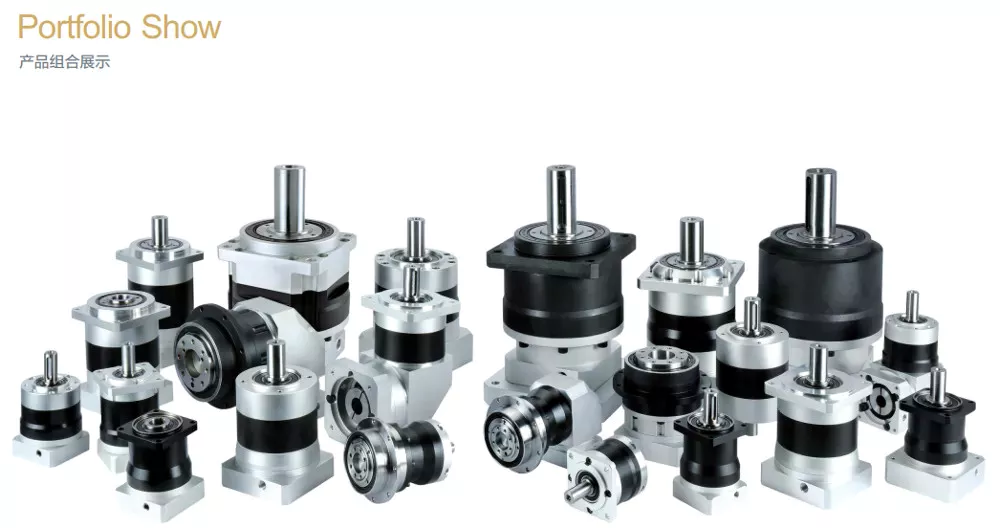
Planetary Gearbox Advantages and Disadvantages
A planetary gearbox is a type of mechanical drive with a single output shaft. They are suitable for both clockwise and counterclockwise rotations, have less inertia, and operate at higher speeds. Here are some advantages and disadvantages of this type of gearbox. Let us see what these advantages are and why you should use them in your applications. Listed below are some of the benefits of planetary gearboxes.
Suitable for counterclockwise and clockwise rotation
If you want to teach children about the clock hands, you can buy some resources for counterclockwise and asymmetrical rotation. These resources include worksheets for identifying degrees of rotation, writing rules for rotation, and visual processing. You can also use these resources to teach angles. For example, the translation of shapes activity pack helps children learn about the rotation of geometric shapes. Similarly, the visual perception activity sheet helps children understand how to process information visually.
Various studies have been done to understand the anatomical substrate of rotations. In a recent study, CZPT et al. compared the position of the transitional zone electrocardiographically and anatomically. The authors found that the transitional zone was normal in nine of 33 subjects, indicating that rotation is not a sign of disease. Similarly, a counterclockwise rotation may be caused by a genetic or environmental factor.
The core tip data should be designed to work in both clockwise and counterclockwise rotation. Counterclockwise rotation requires a different starting point than a clockwise rotation. In North America, star-delta starting is used. In both cases, the figure is rotated about its point. Counterclockwise rotation, on the other hand, is done in the opposite direction. In addition, it is possible to create counterclockwise rotation using the same gimbal.
Despite its name, both clockwise and counterclockwise rotation requires a certain amount of force to rotate. When rotating clockwise, the object faces upwards. Counterclockwise rotation, on the other hand, starts from the top position and heads to the right. If rotating in the opposite direction, the object turns counterclockwise, and vice versa. The clockwise movement, in contrast, is the reverse of counterclockwise rotation.
Has less inertia
The primary difference between a planetary gearbox and a normal pinion-and-gear reducer is the ratio. A planetary gearbox will produce less inertia, which is an important advantage because it will reduce torque and energy requirements. The ratio of the planetary gearbox to its fixed axis counterpart is a factor of three. A planetary gearbox has smaller gears than a conventional planetary, so its inertia is proportional to the number of planets.
Planetary gears are less inertia than spur gears, and they share the load across multiple gear teeth. This means that they will have low backlash, and this is essential for applications with high start-stop cycles and frequent rotational direction changes. Another benefit is the high stiffness. A planetary gearbox will have less backlash than a spur gearbox, which means that it will be more reliable.
A planetary gearbox can use either spur or helical gears. The former provides higher torque ratings while the latter has less noise and stiffness. Both types of gears are useful in motorsports, aerospace, truck transmissions, and power generation units. They require more assembly time than a conventional parallel shaft gear, but the PD series is the more efficient alternative. PD series planetary gears are suitable for many applications, including servo and robotics.
In contrast, a planetary gear set can have varying input speed. This can affect the frequency response of the gearset. A mathematical model of the two-stage planetary gears has non-stationary effects and correlates with experimental findings. Fig. 6.3 shows an addendum. The dedendum’s minimum value is approximately 1.25m. When the dedendum is at its smallest, the dedendum has less inertia.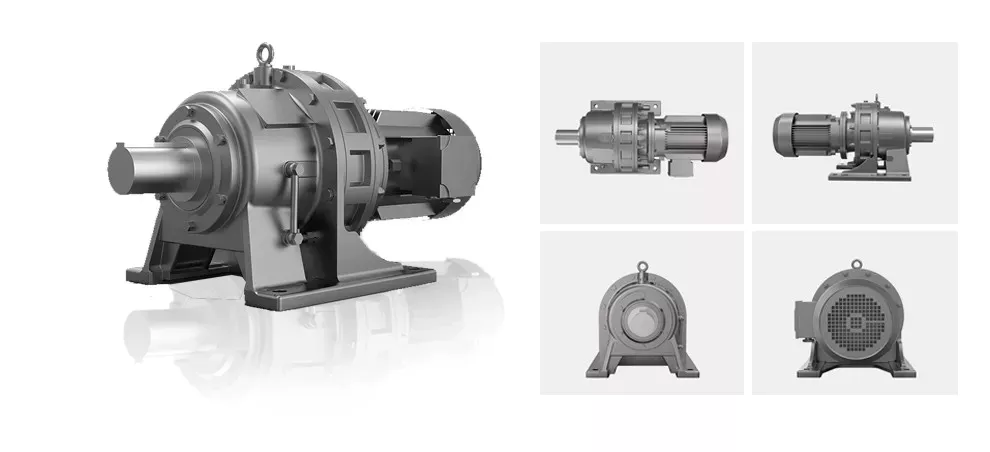
Offers greater reliability
The Planetary Gearbox is a better option for driving a vehicle than a standard spur gearbox. A planetary gearbox is less expensive, and they have better backlash, higher load capacity, and greater shock loads. Unlike spur gearboxes, however, mechanical noise is virtually nonexistent. This makes them more reliable in high-shock situations, as well as in a wide range of applications.
The Economy Series has the same power density and torque capacity of the Precision Helical Series, but it lacks the precision of the latter. In contrast, Economy Series planetary gearboxes feature straight spur planetary gearing, and they are used in applications requiring high torque. Both types of gearboxes are compatible with NEMA servo motors. If torque density is important, a planetary gearbox is the best choice.
The Dispersion of External Load: The SSI model has been extensively used to model the reliability of planetary gear systems. This model takes the contact force and fatigue strength of the system as generalized stress and strength. It also provides a theoretical framework to evaluate the reliability of planetary gear systems. It also has many other advantages that make it the preferred choice for high-stress applications. The Planetary Gearbox offers greater reliability and efficiency than traditional rack and pinion gear systems.
Planetary gearing has greater reliability and compact design. Its compact design allows for wider applications with concerns about space and weight. Additionally, the increased torque and reduction makes planetary gearboxes an excellent choice for a wide variety of applications. There are three major types of planetary gearboxes, each with its own advantages. This article describes a few of them. Once you understand their workings, you will be able to choose the best planetary gearbox for your needs.
Has higher operating speeds
When you look at planetary gearboxes, you might be confused about which one to choose. The primary issue is the application of the gearbox. You must also decide on secondary factors like noise level, corrosion resistance, construction, price, and availability worldwide. Some constructors work faster than others and deliver the gearboxes on the same day. However, the latter ones often deliver the planetary gearbox out of stock.
Compared to conventional gearboxes, a planetary gearbox can run at higher speeds when the input speed fluctuates. However, these gears are not very efficient in high-speed applications because of their increased noise levels. This makes planetary gears unsuitable for applications involving a great deal of noise. That is why most planetary gears are used in small-scale applications. There are some exceptions, but in general, a planetary gearbox is better suited for applications with higher operating speeds.
The basic planetary gearbox is a compact alternative to normal pinion-and-gear reducers. They can be used in a wide variety of applications where space and weight are concerns. Its efficiency is also higher, delivering 97% of the power input. It comes in three different types based on the performance. A planetary gearbox can also be classified as a worm gear, a spur gear, or a sprocket.
A planetary gearhead has a high-precision design and can generate substantial torque for their size. It also reduces backlash to two arc-min. Additionally, it is lubricated for life, which means no maintenance is needed. It can fit into a small machine envelope and has a small footprint. Moreover, the helical crowned gearing provides fast positioning. A sealed gearbox prevents abrasive dust from getting into the planetary gearhead.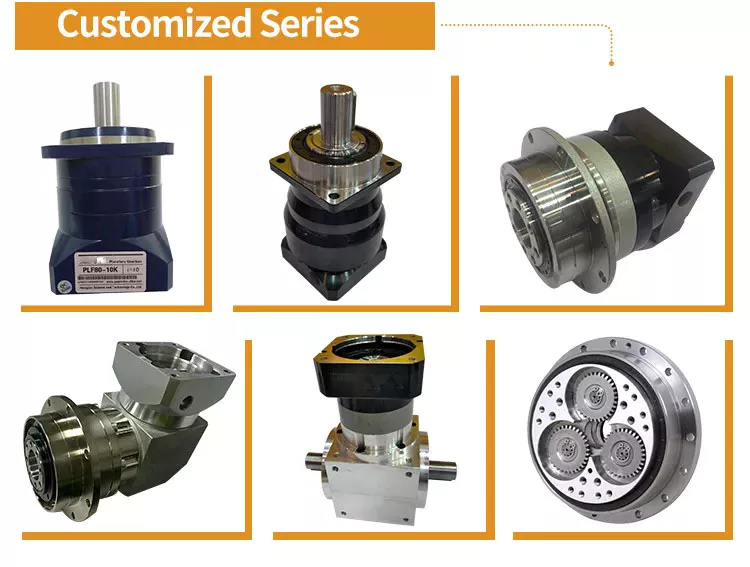
Has drawbacks
The design of a planetary gearbox is compact and enables high torque and load capability in a small space. This gear arrangement also reduces the possibility of wear and tear. Planet gears are arranged in a planetary fashion, allowing gears to shift under load and a uniform distribution of torque. However, some disadvantages of planetary gears must be considered before investing in this gearbox.
While the planetary gearbox is a high precision motion-control device, its design and maintenance requirements are a concern. The bearing load is high, requiring frequent lubrication. Also, they are inaccessible. Despite these drawbacks, planetary gearboxes are suitable for a variety of tasks. They also have low backlash and high torsional stiffness, making them excellent choices for many applications.
As a result, the speed of a planetary gearbox varies with load and speed. At lower ratios, the sun gear becomes too large in relation to the planet gears. As the ratio increases, the sun gear will become too low, reducing torque. The planetary gears also reduce their torque in high-speed environments. Consequently, the ratio is a crucial consideration for planetary gearbox condition monitoring.
Excess drag may result from out-of-tolerance components or excessive lubrication. Drag should be measured both in directions and be within acceptable ranges. Grease and oil lubrication are two common planetary gearbox lubricants, but the choice is largely dependent on your application. While grease lubricates planetary gears well, oil needs maintenance and re-lubrication every few thousand hours.


editor by CX 2023-06-01
China wholesaler Planetary Gearbox Gear Box Reduction Gearbox Speed Reducer Epicyclic Motor Transmission Machine Housing Best Price Unit Servo Hydraulic Planetary Gearboxes nema 23 planetary gearbox
Product Description
Planetary Gearbox gear box reduction gearbox speed reducer epicyclic motor transmission machine housing best price unit servo hydraulic Planetary Gearboxes
Planetary Gearboxes is an old mechanics fundamental that is still being used for new leading innovative technology like 3D printing, and new methods of transport. The planetary gearbox is 1 in which the output and input shafts are aligned. Its basic function is to transfer the maximum amount of torque with the least amount of space. The gear system consists of a reduction state, an acceleration mode, and coupling. No 1 knows who invented the planetary gearbox, but it has been in use since the 15th century. The planetary gear gets its name from the way it looks while it functions. There is a sun gear in the middle attached to ring gears. As the sun gear rotates, it also moves the ring gears. The sun gears are called input shaft, whereas the carrier and ring gears are called output.
The planetary gearbox works in the ratios from 1.5:1 to 12000:1. In a 3:1 system, there are 3 ring gears and 1 sun gear and is called a one-stage planetary gearbox. In ratios of above 5:1, a two-stage planetary gearbox is used. In a 3:1 system, the sun gear is very big, compared to the ring gear, and in the 10:1 system, the sun gear is much smaller than the ring gears. The ratios are in absolute integers. The planetary gearbox system is very precisely placed together, but it still creates friction due to the moving parts inside – sun gear and ring gear. These need lubrication from time to time from oil, gel, or grease. This requirement is present in most moving mechanical machines.
To know what a planetary gearbox does? And it’s advantages? Check our blog here –
There are many showcased benefits of using a gearbox like- three-fold torque compared to the normal gearbox, absolute ratios, low inertia, high efficiency, closed system, etc. The planetary gearbox has its applications in many places. It can be used to increase torque in a robot, to reduce speed in printing press rollers, for positioning, and in packaging machines to name a few.
Buying a gearbox depends on the planned use of the gearbox. There are a certain number of things to keep in mind like – torque, backlash, ratio, corrosion, resistance, noise level, delivery time, price, and availability. There might be other requirements that are different for each buyer.
A planetary gearbox is a medieval tool reincarnated in modern form. That itself says a lot about the usefulness and application of the device. It’s an efficient device for the work it performs and has stood the test of time, without getting obsolete.
Manufacturer of Planetary Gearbox, Planetary gear reducer, Planetary geared motor, Epicyclic gearing, Planetary gearing, Gearboxes, can interchange and replacement with CZPT gearbox, CZPT brown gearbox and so on.
| Application: | Motor, Electric Cars, Machinery, Agricultural Machinery |
|---|---|
| Hardness: | Hardened Tooth Surface |
| Installation: | Horizontal Type |
| Layout: | Coaxial |
| Step: | Four-Step |
| Output Torque: | 14nm-2000nm |
| Samples: |
US$ 9999/Piece
1 Piece(Min.Order) | |
|---|
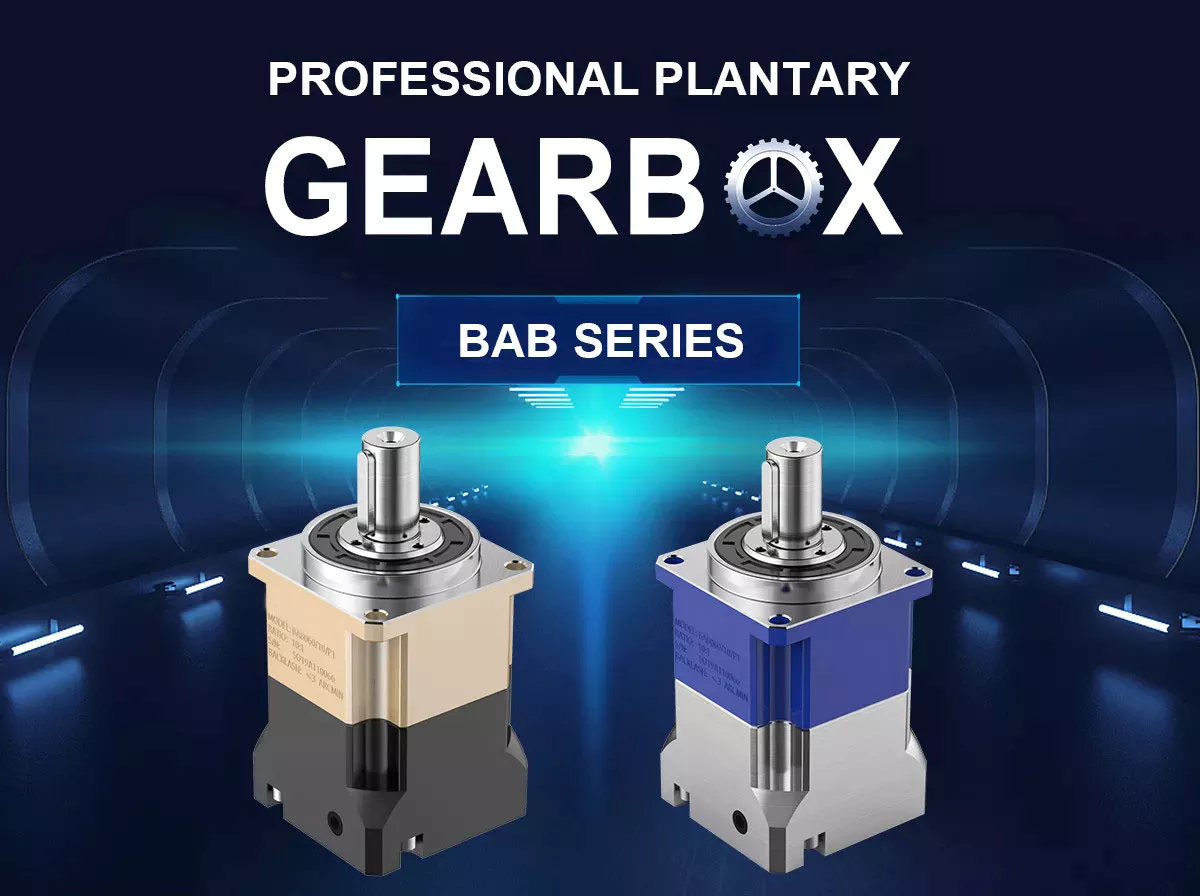
How to Select a Planetary Gearbox for Your Applications
You can select the most suitable Planetary Gearbox for your applications after carefully checking the various features. You should also consider secondary features like noise level, corrosion resistance, construction, price, delivery time and service. You should also check if the constructor is available across the world, because some constructors operate faster than others. Some constructors even respond to your requests on the same day, while others deliver each planetary gearbox even if they are out of stock.
CZPT gearbox
An CZPT planetary gearbox is a high-quality, compact, and lightweight gearbox that distributes loads over several gears. The planetary gearbox has a polymer case that ensures quiet operation. The company is committed to the circular economy, investing in chemical recycling and promoting the use of recycled materials wherever possible. For more information, visit CZPT’s website or contact an CZPT expert today.
A planetary gearbox contains a sun gear, which is known as the input gear. The other gears are called planets, and these are mounted on a carrier, which is connected to an output shaft. A planetary gearbox is characterized by its high reduction ratios, energy savings, and compact design. It offers superior durability and trouble-free service. Whether you need a large or small planetary gearbox, you can find one to suit your needs.
The Standard series planetary gearboxes are a cost-effective alternative to premium series gearboxes. These gearboxes are suitable for applications requiring only mild backlash or with low IP65 protection. ABB positioners feature seven different gear unit variants, allowing for standardized mounting and stranded wire connections. The drygear(r) strain wave gear has a stranded wire connector and is available with a three-year warranty.
A planetary gearbox can be used for various applications, from lifting goods to loading and unloading products in a factory. The company has a wide product range for different applications, including plastic machinery and machine tools, pick-and-place robots, mill drives, and wind turbines. It can also be used to operate robot gripper systems. Its high-quality planetary gears are designed to last for many years, making it an ideal solution for many industries.
CZPT
A planetary gearbox is an essential component of many transport systems. These devices work by aligning the output and input shafts. The Reggiana planetary gearbox 2000 series includes bevel stages and linear variants. The company offers modularity and flexibility with output configurations in ten different gear sizes. Each planetary gearbox can also be customized to meet the specific needs of a specific application.
CZPT is the Australian branch of CZPT, a leading global manufacturer of planetary gearboxes. CZPT is located in Carrum Downs, south east of Melbourne, and is one of the leading suppliers of planetary reduction gears, hydraulic failsafe brakes, and wheel drives. The company aims to provide high-quality, durable products that can be used in a variety of applications.
A CZPT Plus Series Gear is designed to maximize flexibility in a variety of applications. The gearbox’s modular design allows for endless scalability. The CZPT Plus Series Gear is commonly used in mining operations, and is known for its raw output capabilities and low maintenance design. It is made with high-quality materials, and it is also available in multiple sizes for customized applications.
The multi-stage planetary gearbox can combine individual ratios to increase the overall multiplicative factor. The planetary gears may also be combined to increase the transmittable torque. The output shaft and drive shaft may rotate in opposite directions, or they can be fixed so the gearbox can function in either direction. If the ring gear is fixed, planetary gearboxes can be realized as multi-stage.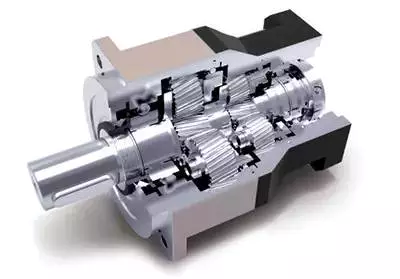
CZPT
The CZPT Planetary Gearbox is the perfect combination of compact size and high efficiency in power transmission. The compact design allows this gearbox to run silently while still delivering high power density and transmission efficiency. The CZPT Planetary Gearbox has several advantages. Unlike conventional planetary gearboxes, CZPT’s planetary gearbox features high power density, low torque, and optimum transmission efficiency.
CZPT’s products have been used in a variety of applications for many years, proving their reliability and quality. These products are renowned in the world for their reliability and quality. CZPT’s planetary gearboxes are backed by a five-year warranty. These features help customers choose a planetary gearbox that meets their needs and stays in top shape for years to come. But how do you test a planetary gearbox?
Figure 17 shows the response of a planetary gearbox to vibration. The maximum displacement in xg direction at a 50% crack level is shown by the dashed line. The signal in xg direction is called the xsignal. Moreover, the CZPT Planetary Gearbox’s vibration response is highly sensitive to the location of the bearings. For this reason, dynamic modeling of a planetary gearbox should consider bearing clearance.
CZPT’s hollow cup motor drive system features high reliability and low power consumption. The gearbox is compatible with industries with high quality standards, as there is no cogging torque. Its compact size and low electromagnetic noise make it ideal for a variety of applications. For industries with high product quality requirements, the CZPT Hollow Cup Motor Drive System is an excellent choice. It is also designed for vertical installation. You can even buy multiple CZPT products to meet your specific needs.
CZPT
With its PL series planetary gearboxes, CZPT has expanded its product portfolio to include more types of drive solutions. CZPT is one of the few companies to have won the Schneider Electric Supplier Award for Quality. In addition, its high-quality planetary gearboxes are highly customizable, allowing designers to customize each gearbox for the application at hand. Whether it is a geared pump or a stepper motor, CZPT’s PLE planetary gearboxes are built to meet the exact specifications of the application at hand.
The flange-mounted version of the planetary gearbox is comparable to its planetary counterpart. Using a flange-mounted planetary gearbox allows for a smaller, more compact design. This model also features a large-diameter output shaft, which helps achieve a higher level of torsional stiffness. This makes CZPT flange gearboxes particularly useful for applications where the direction of motion can change frequently. These gearboxes can be used with a wide variety of belts.
The PLQE 60-mm gearbox is used in Outrider’s single-stage design. Its gear ratio is 5:1, while its dual-stage version has a 15:1 gear ratio. Both gearboxes have identical mounting configurations, but the two-stage version is slightly longer.
The PLN series of planetary gearheads from CZPT are the standard for high-precision applications. They’re compatible with all major motor brands and sizes, and the company’s adapter kits are available to fit almost any motor. This makes CZPT gearheads one of the easiest to integrate into a complex machine. They’re also extremely easy to install, with the same torque as their corresponding spur gears.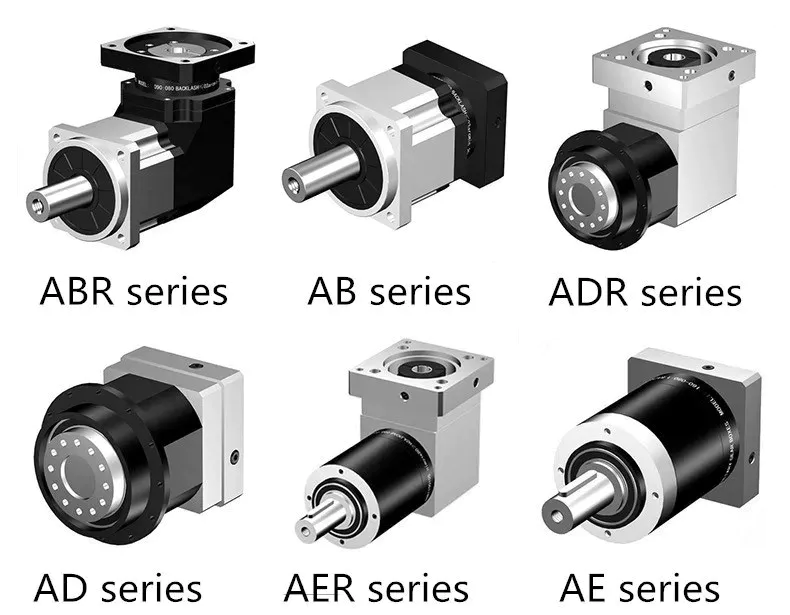
CZPT’s
If you are looking for an efficient solution for screw press applications, consider using CZPT’s 300M Planetary Gearbox. It has high axial and radial load capacities, compact design, high torque output, and torque arm. The 300M planetary gearbox is compatible with a variety of screw presses, including hydraulic press systems and digester systems. Its Torque control and direct coupling feature makes it easy to install.
CZPT’s small planetary gearboxes have an output torque of 20:1 from individual ratios of 5:1 and 4:1. They run silently and deliver maximum transmission efficiency. The planetary gears are mounted on a ring that is fixed around the center sun gear. The ring acts as an output torque converter for the next planet stage. This planetary gearbox has multiple stages and a maximum ratio of 20:1 can be created from individual ratios of 5:1 and 4:1.
CZPT Motor is an innovator in the design and manufacture of miniature motors for industrial robots. Its offerings include brushless DC and brushed DC motors, as well as planetary gearboxes, encoders, and brakes. CZPT’s products have a variety of uses in robotics, intelligent appliances, medical equipment, communication, and industrial automation. The company is also committed to providing custom designs based on customer specifications.
Another advantage of a planetary gearbox is its high power transmission efficiency. It is capable of approximately 3% per stage, allowing it to transmit more torque than a conventional single-stage gearbox. Planetary gearboxes are also compact and have a high torque-to-weight ratio. CZPT’s Planetary Gearbox is the best choice for many applications. This gearbox offers the highest efficiency and is ideal for small-scale production.
editor by CX 2023-05-26
China manufacturer P Series Heavy Duty Industrial Planetary Gear Unit Gearbox for Sugar Mill Machine design of planetary gearbox
Product Description
PROFESSIONAL MANUFACTURE
— SINCE 1995
P series heavy duty industrial planetary gear unit gearbox for sugar mill machine
Chinese electric motor speed reducer is widely used in mining machinery, chemical industry,steel metallurgy, light
industry,environmental protection, paper making, printing, lifting transport, food industry and so on.
Main Series Product: R series helical gear motor reducer, K series spiral bevel gear reducer, NGW, P series planetary gear reducer, H B series helical gearbox, Z (ZDY, ZLY, ZSY, and ZFY) serial hard tooth surface cylindrical gearbox reducer, D (DBY and DCY) serial hard tooth surface cone gear reducer, cycloidal speed reducer, etc. Meanwhile, map sample processing business can be undertaken.
Product Description
Adopts modular design, which can be changed and combined according to customer requirements;
Adopts involute planetary gear transmission, uses internal and external meshing and power splitting;
The gears are all treated by carburizing and quenching to obtain a high-hard wear-resistant surface.
After heat treatment, the gears are all ground, which reduces noise and improves the efficiency and service life of the whole machine.
Light weight, small volume, large transmission ratio range, high efficiency, stable operation, low noise and strong adaptability.
Product Parameters
|
Size |
Type |
Transmission Ratio |
Type |
Transmission Ratio |
|
|
9/10/11/12/13/14/ |
P2NA/P2NB/ |
25/28/31.5/40 |
P3NA/P3NB/P3NC/P3ND |
140/160/180/ |
N=Coaxial S=Helical gear L=Bevel gear K=Bevel-helical A=Hollow shaft with shrink disc B=Solid shaft with parallel key C=Hollow shaft with involute splines D=Solid shaft with involute splines
|
|
P2SA/P2SB/ |
45/50/56/63 |
P3SA/P3SB/P3SC/P3SD |
280/315/355/400 |
||
|
P2LA/P2LB/ |
31.5/40/45/50 |
P3KA/P3KB/P3KC/P3KD |
560-4000 |
||
|
P2KA/P2KB/ |
112/125/140/160/ |
Model selection for washing machine Gear Box Transmission:
Closely using the ideal reduction ratio.
Reduction ratio = servo motor speed / reducer output shaft speed
Torque calculation: Torque calculation is very important for the life of reducer, and pay attention to whether the maximum torque value (TP) of acceleration exceeds the maximum load torque of the reducer.
The applicable power is usually the applicable power of the servo models on the market, the applicability of the reducer is very high, the working coefficient can be maintained above 1.2, but the choice can also be based on their own needs to decide. industrial helical gearbox.
Detailed Photos
Chinese Speed Reducer/industrial helical gearbox is a mechanical transmission in many fields of the national economy. The product categories covered by the industry include all kinds of gear reducer, planetary gear reducer and worm reducer, as well as various special transmission devices such as speed increasing device, speed control Devices, including various types of flexible transmission devices, such as compound transmission. Products and services in the field of metallurgy, nonferrous metals, coal, building materials, ships, water conservancy, electricity, construction machinery and petrochemical industries.
In all fields of national economy and national defense industry, gearbox products have a wide range of applications. Food light industry, electric machinery, construction machinery, metallurgy machinery, cement machinery, environmental protection machinery, electronic appliances, road construction machinery, water conservancy machinery, chemical machinery, mining machinery, conveyor machinery, building materials machinery, rubber machinery, petroleum machinery and other industries have strong demand of Reducer products.
Packaging & Shipping
Application
| Driven machines | |||
| Waste water treatment | Thickeners,filter presses,flocculation apparata,aerators,raking equipment,combined longitudinal and rotary rakes,pre-thickeners,screw pumps,water turbines,centrifugal pumps | Dredgers | Bucket conveyors, dumping devices, carterpillar travelling gears, bucket wheel excavators as pick up, bucket wheel excavator for primitive material, cutter head, traversing gears |
| Chemical industry | Plate bending machines, extruders, dough mills, rubbers calenders, cooling drums, mixers for uniform media, agitators for media with uniform density, toasters, centrifuges | Metal working mills | plate tilters, ingot pushers, winding machines, cooling bed transfer frames, roller straigheners, table continuous intermittent, roller tables reversing tube mills, shears continuous, casting drivers, reversing CZPT mills |
| Metal working mills | Reversing slabbing mills. reversing wire mills, reversing sheet mills, reversing plate mill, roll adjustment drives | Conveyors | Bucket conveyors, hauling winches, hoists, belt conveyors, good lifts, passenger lifts, apron conveyors, escalators, rail travlling gears |
| Frequency converters | Reciprocating compressors | ||
| Cranes | Slewing gears, luffing gears, travelling gears, hoisting gear, derricking jib cranes | Cooling towers | Cooling tower fans, blowers axial and radial |
| Cane sugar production | Cane knives, cane mills | Beet sugar production | Beet cossettes macerators, extraction plants, mechanical refrigerators, juice boilers, sugar beet washing machines, sugar beet cutter |
| Paper machines | Pulper drives | Cableways | Material ropeways, continuous ropeway |
| Cement industry | Concrete mixer, breaker, rotary kilns, tube mills, separators, roll crushers | ||
Company Profile
Established in 1995 , HangZhou Boji Machinery is a professional manufacturer and exporter that is concerned with the design, development and production of Gearbox Speed Reducer. We are located in HangZhou of ZheJiang Province, with convenient transportation access. With our own brand “TianQi”, all of our products comply with international quality standards and are greatly appreciated in a variety of different markets throughout the world.
Our company possesses complete machining center, lathe, gear shaping machine, gear milling machine, gear grinding machine and assembling lines. Our well-equipped facilities and excellent quality control throughout all stages of production enables us to guarantee total customer satisfaction.
Besides, In 2005,we attained ISO9001 certification. As a result of our high quality products and outstanding customer service, we have gained a global sales network CZPT South America, Saudi Arabia, Vietnam, Pakistan, Philippines, South Africa and other countries and regions.
With rich export experience, high quality products, competitive prices, good service and in-time delivery, we certain that we can meet all of your requirement and exceed your expectations. Our feature is bright with new cooperative relationships with companies from all over the world. We look CZPT to speaking with you to future discuss how we can be of service to you.
FAQ
1. Who are we?
We are the Factory, with over 25 years of production experience, based in ZheJiang , China, start from 1995,sell to Domestic Market(50.00%),Mid East(10.00%),Southeast Asia(10.00%),Western Europe(5.00%),South America(5.00%),Eastern Europe(5.00%),Eastern Asia(5.00%),North America(3.00%),Africa(2.00%),Southern Europe(2.00%),South Asia(2.00%),Central America(1.00%).
2. Can you customize according to our requirements?
Yes, we can design nonstandard products according to customer’s drawing and sample.
3.What can you buy from us?
speed reducer,gearbox,gear motor,pump,crusher
4. Why should you buy from us not from other suppliers?
Founded in 1995, with over 20 years of production experience and credibility. With professional engineer team, advanced technology production and skilled workers.Specialized in the production of reducer. Map sample processing business can be undertaken.
5. What services can we provide?
Accepted Delivery Terms: FOB,CFR,CIF,EXW,DDP,DDU,Express Delivery;
Accepted Payment Currency:USD,EUR,JPY,CAD,AUD,HKD,GBP,CNY,CHF;
Accepted Payment Type: T/T,L/C,Credit Card,PayPal,Western Union,Cash;
Language Spoken:English,Chinese,Spanish,Japanese,Portuguese,German,Arabic,French,Russian,Korean,Hindi,Italian
|
Shipping Cost:
Estimated freight per unit. |
To be negotiated |
|---|
| Application: | Motor, Machinery, Manufacturing Plant |
|---|---|
| Hardness: | Hardened Tooth Surface |
| Installation: | Horizontal Type |
| Samples: |
US$ 1000/Piece
1 Piece(Min.Order) | Order Sample heavy duty industrial planetary gear unit gearbox
|
|---|
| Customization: |
Available
| Customized Request |
|---|
Planetary Gearbox Advantages and Disadvantages
A planetary gearbox is a type of mechanical drive with a single output shaft. They are suitable for both clockwise and counterclockwise rotations, have less inertia, and operate at higher speeds. Here are some advantages and disadvantages of this type of gearbox. Let us see what these advantages are and why you should use them in your applications. Listed below are some of the benefits of planetary gearboxes.
Suitable for counterclockwise and clockwise rotation
If you want to teach children about the clock hands, you can buy some resources for counterclockwise and asymmetrical rotation. These resources include worksheets for identifying degrees of rotation, writing rules for rotation, and visual processing. You can also use these resources to teach angles. For example, the translation of shapes activity pack helps children learn about the rotation of geometric shapes. Similarly, the visual perception activity sheet helps children understand how to process information visually.
Various studies have been done to understand the anatomical substrate of rotations. In a recent study, CZPT et al. compared the position of the transitional zone electrocardiographically and anatomically. The authors found that the transitional zone was normal in nine of 33 subjects, indicating that rotation is not a sign of disease. Similarly, a counterclockwise rotation may be caused by a genetic or environmental factor.
The core tip data should be designed to work in both clockwise and counterclockwise rotation. Counterclockwise rotation requires a different starting point than a clockwise rotation. In North America, star-delta starting is used. In both cases, the figure is rotated about its point. Counterclockwise rotation, on the other hand, is done in the opposite direction. In addition, it is possible to create counterclockwise rotation using the same gimbal.
Despite its name, both clockwise and counterclockwise rotation requires a certain amount of force to rotate. When rotating clockwise, the object faces upwards. Counterclockwise rotation, on the other hand, starts from the top position and heads to the right. If rotating in the opposite direction, the object turns counterclockwise, and vice versa. The clockwise movement, in contrast, is the reverse of counterclockwise rotation.
Has less inertia
The primary difference between a planetary gearbox and a normal pinion-and-gear reducer is the ratio. A planetary gearbox will produce less inertia, which is an important advantage because it will reduce torque and energy requirements. The ratio of the planetary gearbox to its fixed axis counterpart is a factor of three. A planetary gearbox has smaller gears than a conventional planetary, so its inertia is proportional to the number of planets.
Planetary gears are less inertia than spur gears, and they share the load across multiple gear teeth. This means that they will have low backlash, and this is essential for applications with high start-stop cycles and frequent rotational direction changes. Another benefit is the high stiffness. A planetary gearbox will have less backlash than a spur gearbox, which means that it will be more reliable.
A planetary gearbox can use either spur or helical gears. The former provides higher torque ratings while the latter has less noise and stiffness. Both types of gears are useful in motorsports, aerospace, truck transmissions, and power generation units. They require more assembly time than a conventional parallel shaft gear, but the PD series is the more efficient alternative. PD series planetary gears are suitable for many applications, including servo and robotics.
In contrast, a planetary gear set can have varying input speed. This can affect the frequency response of the gearset. A mathematical model of the two-stage planetary gears has non-stationary effects and correlates with experimental findings. Fig. 6.3 shows an addendum. The dedendum’s minimum value is approximately 1.25m. When the dedendum is at its smallest, the dedendum has less inertia.
Offers greater reliability
The Planetary Gearbox is a better option for driving a vehicle than a standard spur gearbox. A planetary gearbox is less expensive, and they have better backlash, higher load capacity, and greater shock loads. Unlike spur gearboxes, however, mechanical noise is virtually nonexistent. This makes them more reliable in high-shock situations, as well as in a wide range of applications.
The Economy Series has the same power density and torque capacity of the Precision Helical Series, but it lacks the precision of the latter. In contrast, Economy Series planetary gearboxes feature straight spur planetary gearing, and they are used in applications requiring high torque. Both types of gearboxes are compatible with NEMA servo motors. If torque density is important, a planetary gearbox is the best choice.
The Dispersion of External Load: The SSI model has been extensively used to model the reliability of planetary gear systems. This model takes the contact force and fatigue strength of the system as generalized stress and strength. It also provides a theoretical framework to evaluate the reliability of planetary gear systems. It also has many other advantages that make it the preferred choice for high-stress applications. The Planetary Gearbox offers greater reliability and efficiency than traditional rack and pinion gear systems.
Planetary gearing has greater reliability and compact design. Its compact design allows for wider applications with concerns about space and weight. Additionally, the increased torque and reduction makes planetary gearboxes an excellent choice for a wide variety of applications. There are three major types of planetary gearboxes, each with its own advantages. This article describes a few of them. Once you understand their workings, you will be able to choose the best planetary gearbox for your needs.
Has higher operating speeds
When you look at planetary gearboxes, you might be confused about which one to choose. The primary issue is the application of the gearbox. You must also decide on secondary factors like noise level, corrosion resistance, construction, price, and availability worldwide. Some constructors work faster than others and deliver the gearboxes on the same day. However, the latter ones often deliver the planetary gearbox out of stock.
Compared to conventional gearboxes, a planetary gearbox can run at higher speeds when the input speed fluctuates. However, these gears are not very efficient in high-speed applications because of their increased noise levels. This makes planetary gears unsuitable for applications involving a great deal of noise. That is why most planetary gears are used in small-scale applications. There are some exceptions, but in general, a planetary gearbox is better suited for applications with higher operating speeds.
The basic planetary gearbox is a compact alternative to normal pinion-and-gear reducers. They can be used in a wide variety of applications where space and weight are concerns. Its efficiency is also higher, delivering 97% of the power input. It comes in three different types based on the performance. A planetary gearbox can also be classified as a worm gear, a spur gear, or a sprocket.
A planetary gearhead has a high-precision design and can generate substantial torque for their size. It also reduces backlash to two arc-min. Additionally, it is lubricated for life, which means no maintenance is needed. It can fit into a small machine envelope and has a small footprint. Moreover, the helical crowned gearing provides fast positioning. A sealed gearbox prevents abrasive dust from getting into the planetary gearhead.
Has drawbacks
The design of a planetary gearbox is compact and enables high torque and load capability in a small space. This gear arrangement also reduces the possibility of wear and tear. Planet gears are arranged in a planetary fashion, allowing gears to shift under load and a uniform distribution of torque. However, some disadvantages of planetary gears must be considered before investing in this gearbox.
While the planetary gearbox is a high precision motion-control device, its design and maintenance requirements are a concern. The bearing load is high, requiring frequent lubrication. Also, they are inaccessible. Despite these drawbacks, planetary gearboxes are suitable for a variety of tasks. They also have low backlash and high torsional stiffness, making them excellent choices for many applications.
As a result, the speed of a planetary gearbox varies with load and speed. At lower ratios, the sun gear becomes too large in relation to the planet gears. As the ratio increases, the sun gear will become too low, reducing torque. The planetary gears also reduce their torque in high-speed environments. Consequently, the ratio is a crucial consideration for planetary gearbox condition monitoring.
Excess drag may result from out-of-tolerance components or excessive lubrication. Drag should be measured both in directions and be within acceptable ranges. Grease and oil lubrication are two common planetary gearbox lubricants, but the choice is largely dependent on your application. While grease lubricates planetary gears well, oil needs maintenance and re-lubrication every few thousand hours.
editor by CX 2023-05-22
China supplier ZD Excellent Performance Low-Noise Best Price Double-Step Planetary Circular Gearbox For Packing Machine planetary gearbox clutch
Product Description
Model Selection
ZD Leader has a wide range of micro motor production lines in the industry, including DC Motor, AC Motor, Brushless Motor, Planetary Gear Motor, Drum Motor, Planetary Gearbox, RV Reducer and Harmonic Gearbox etc. Through technical innovation and customization, we help you create outstanding application systems and provide flexible solutions for various industrial automation situations.
• Model Selection
Our professional sales representive and technical team will choose the right model and transmission solutions for your usage depend on your specific parameters.
• Drawing Request
If you need more product parameters, catalogues, CAD or 3D drawings, please contact us.
• On Your Need
We can modify standard products or customize them to meet your specific needs.
Detailed Photos
Product Parameters
Other Related Products
Click here to find what you are looking for:
Company Profile
FAQ
Q: What’re your main products?
A: We currently produce Brushed Dc Motors, Brushed Dc Gear Motors, Planetary Dc Gear Motors, Brushless Dc Motors, Stepper motors, Ac Motors and High Precision Planetary Gear Box etc. You can check the specifications for above motors on our website and you can email us to recommend needed motors per your specification too.
Q: How to select a suitable motor?
A:If you have motor pictures or drawings to show us, or you have detailed specs like voltage, speed, torque, motor size, working mode of the motor, needed lifetime and noise level etc, please do not hesitate to let us know, then we can recommend suitable motor per your request accordingly.
Q: Do you have a customized service for your standard motors?
A: Yes, we can customize per your request for the voltage, speed, torque and shaft size/shape. If you need additional wires/cables soldered on the terminal or need to add connectors, or capacitors or EMC we can make it too.
Q: Do you have an individual design service for motors?
A: Yes, we would like to design motors individually for our customers, but it may need some mold developing cost and design charge.
Q: What’s your lead time?
A: Generally speaking, our regular standard product will need 15-30days, a bit longer for customized products. But we are very flexible on the lead time, it will depend on the specific orders.
| Application: | Motor |
|---|---|
| Layout: | Cycloidal |
| Installation: | Vertical Type |
| Step: | Double-Step |
| Size: | 32, 42, 52, 62,72mm |
| Manipulate Way: | Forced Manipulation |
| Customization: |
Available
| Customized Request |
|---|
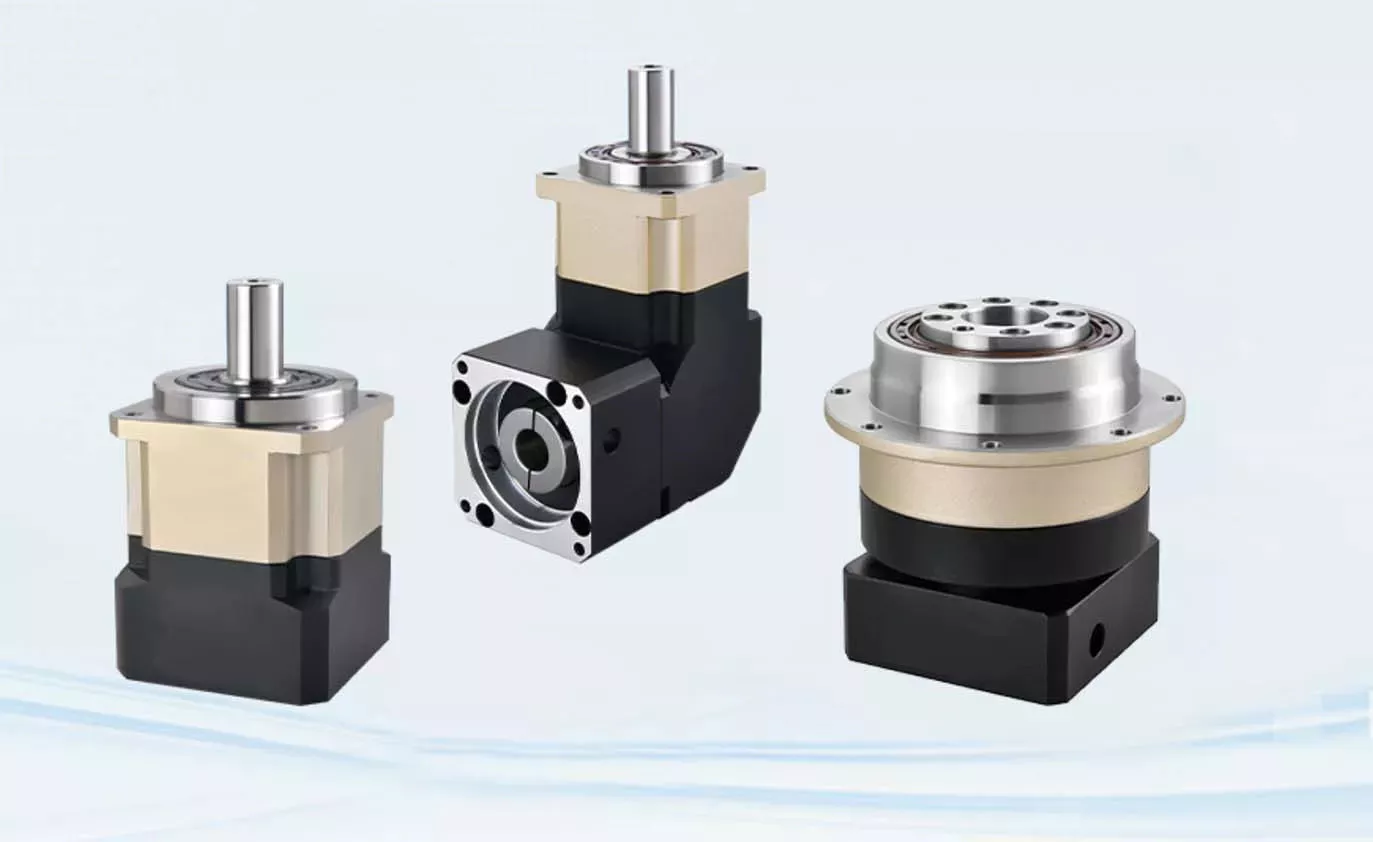
Planetary Gearbox
This article will explore the design and applications of a planetary gearbox. The reduction ratio of a planetary gearbox is dependent on the number of teeth in the gears. The ratios of planetary gearboxes are usually lower than those of conventional mechanical transmissions, which are mainly used to drive engines and generators. They are often the best choice for heavy-duty applications. The following are some of the advantages of planetary gearboxes.
planetary gearboxes
Planetary gearboxes work on a similar principle to solar systems. They rotate around a center gear called the sun gear, and two or more outer gears, called planet gears, are connected by a carrier. These gears then drive an output shaft. The arrangement of planet gears is similar to that of the Milky Way’s ring of planets. This arrangement produces the best torque density and stiffness for a gearbox.
As a compact alternative to normal pinion-and-gear reducers, planetary gearing offers many advantages. These characteristics make planetary gearing ideal for a variety of applications, including compactness and low weight. The efficiency of planetary gearing is enhanced by the fact that ninety percent of the input energy is transferred to the output. The gearboxes also have low noise and high torque density. Additionally, their design offers better load distribution, which contributes to a longer service life.
Planetary gears require lubrication. Because they have a smaller footprint than conventional gears, they dissipate heat well. In fact, lubrication can even lower vibration and noise. It’s also important to keep the gears properly lubricated to prevent the wear and tear that comes with use. The lubrication in planetary gears also helps keep them operating properly and reduces wear and tear on the gears.
A planetary gearbox uses multiple planetary parts to achieve the reduction goal. Each gear has an output shaft and a sun gear located in the center. The ring gear is fixed to the machine, while the sun gear is attached to a clamping system. The outer gears are connected to the carrier, and each planetary gear is held together by rings. This arrangement allows the planetary gear to be symmetrical with respect to the input shaft.
The gear ratio of a planetary gearbox is defined by the sun gear’s number of teeth. As the sun gear gets smaller, the ratio of the gear will increase. The ratio range of planetary gears ranges from 3:1 to ten to one. Eventually, however, the sun gear becomes too small, and the torque will fall significantly. The higher the ratio, the less torque the gears can transmit. So, planetary gears are often referred to as “planetary” gears.
Their design
The basic design of a Planetary Gearbox is quite simple. It consists of three interconnecting links, each of which has its own torque. The ring gear is fixed to the frame 0 at O, and the other two are fixed to each other at A and B. The ring gear, meanwhile, is attached to the planet arm 3 at O. All three parts are connected by joints. A free-body diagram is shown in Figure 9.
During the development process, the design team will divide the power to each individual planet into its respective power paths. This distribution will be based on the meshing condition of all gears in the system. Then, the design team will proceed to determine the loads on individual gear meshes. Using this method, it is possible to determine the loads on individual gear meshes and the shape of ring gear housing.
Planetary Gearboxes are made of three gear types. The sun gear is the center, which is connected to the other two gears by an internal tooth ring gear. The planet pinions are arranged in a carrier assembly that sets their spacing. The carrier also incorporates an output shaft. The three components in a Planetary Gearbox mesh with each other, and they rotate together as one. Depending on the application, they may rotate at different speeds or at different times.
The planetary gearbox’s design is unique. In a planetary gearbox, the input gear rotates around the central gear, while the outer gears are arranged around the sun gear. In addition, the ring gear holds the structure together. A carrier connects the outer gears to the output shaft. Ultimately, this gear system transmits high torque. This type of gearbox is ideal for high-speed operations.
The basic design of a Planetary Gearbox consists of multiple contacts that must mesh with each other. A single planet has an integer number of teeth, while the ring has a non-integer number. The teeth of the planets must mesh with each other, as well as the sun. The tooth counts, as well as the planet spacing, play a role in the design. A planetary gearbox must have an integer number of teeth to function properly.
Applications
In addition to the above-mentioned applications, planetary gearing is also used in machine tools, plastic machinery, derrick and dock cranes, and material handling equipments. Further, its application is found in dredging equipment, road-making machinery, sugar crystallizers, and mill drives. While its versatility and efficiency makes it a desirable choice for many industries, its complicated structure and construction make it a complex component.
Among the many benefits of using a planetary gearbox, the ability to transmit greater torque into a controlled space makes it a popular choice for many industries. Moreover, adding additional planet gears increases the torque density. This makes planetary gears suitable for applications requiring high torque. They are also used in electric screwdrivers and turbine engines. However, they are not used in everything. Some of the more common applications are discussed below:
One of the most important features of planetary gearboxes is their compact footprint. They are able to transmit torque while at the same time reducing noise and vibration. In addition to this, they are able to achieve a high speed without sacrificing high-quality performance. The compact footprint of these gears also allows them to be used in high-speed applications. In some cases, a planetary gearbox has sliding sections. Some of these sections are lubricated with oil, while others may require a synthetic gel. Despite these unique features, planetary gears have become common in many industries.
Planetary gears are composed of three components. The sun gear is the input gear, whereas the planet gears are the output gears. They are connected by a carrier. The carrier connects the input shaft with the output shaft. A planetary gearbox can be designed for various requirements, and the type you use will depend on the needs of your application. Its design and performance must meet your application’s needs.
The ratios of planetary gears vary depending on the number of planets. The smaller the sun gear, the greater the ratio. When planetary stages are used alone, the ratio range is 3:1 to 10:1. Higher ratios can be obtained by connecting several planetary stages together in the same ring gear. This method is known as a multi-stage gearbox. However, it can only be used in large gearboxes.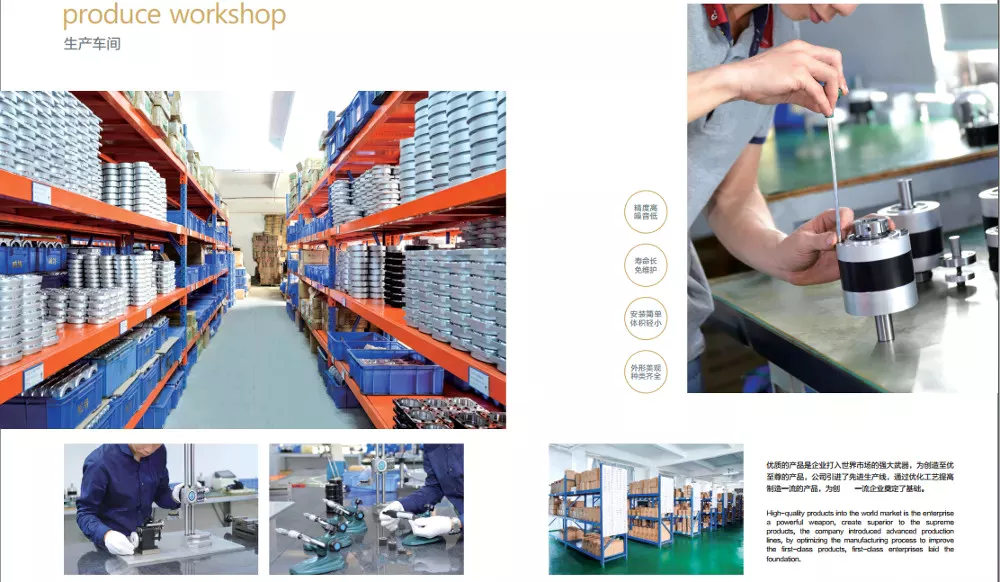
Maintenance
The main component of a planetary gearbox is the planetary gear. It requires regular maintenance and cleaning to remain in top shape. Demand for a longer life span protects all other components of the gearbox. This article will discuss the maintenance and cleaning procedures for planetary gears. After reading this article, you should know how to maintain your planetary gearbox properly. Hopefully, you can enjoy a longer life with your gearbox.
Firstly, it is important to know how to properly lubricate a planetary gearbox. The lubricant is essential as gears that operate at high speeds are subject to high levels of heat and friction. The housing of the planetary gearbox should be constructed to allow the heat to dissipate. The recommended oil is synthetic, and it should be filled between 30 and 50 percent. The lubricant should be changed at least every six months or as needed.
While it may seem unnecessary to replace a planetary gearbox, regular servicing will help it last a long time. A regular inspection will identify a problem and the appropriate repairs are needed. Once the planetary gearbox is full, it will plug with gear oil. To avoid this problem, consider getting the unit repaired instead of replacing the gearbox. This can save you a lot of money over a new planetary gearbox.
Proper lubrication is essential for a long life of your planetary gearbox. Oil change frequency should be based on oil temperature and operating speed. Oil at higher temperatures should be changed more frequently because it loses its molecular structure and cannot form a protective film. After this, oil filter maintenance should be performed every few months. Lastly, the gearbox oil needs to be checked regularly and replaced when necessary.
editor by CX 2023-04-26